Resolving Mass Balance Degradation Limits in Multi Tier Paper Mill Credit Accounts
Paper mill credit accounts require dynamic conversion factors based on dry fiber mass to prevent phantom credit inflation across multi-tier supply chains.
Paper mill credit accounts require dynamic conversion factors based on dry fiber mass to prevent phantom credit inflation across multi-tier supply chains.
Carboxyl functionalization between 0.25 and 0.45 mmol/g achieves target wet strength while preserving mechanical pulp repulpability under mild alkaline conditions.

Monomer ratios with glass transition temperatures between 10 °C and 25 °C balance shear stability, film formation, and Cobb water resistance on high-yield pulp.

Core layer mechanical pulp distribution controls folding boxboard bulk and bending stiffness, enabling weight reduction while preserving box structural integrity.
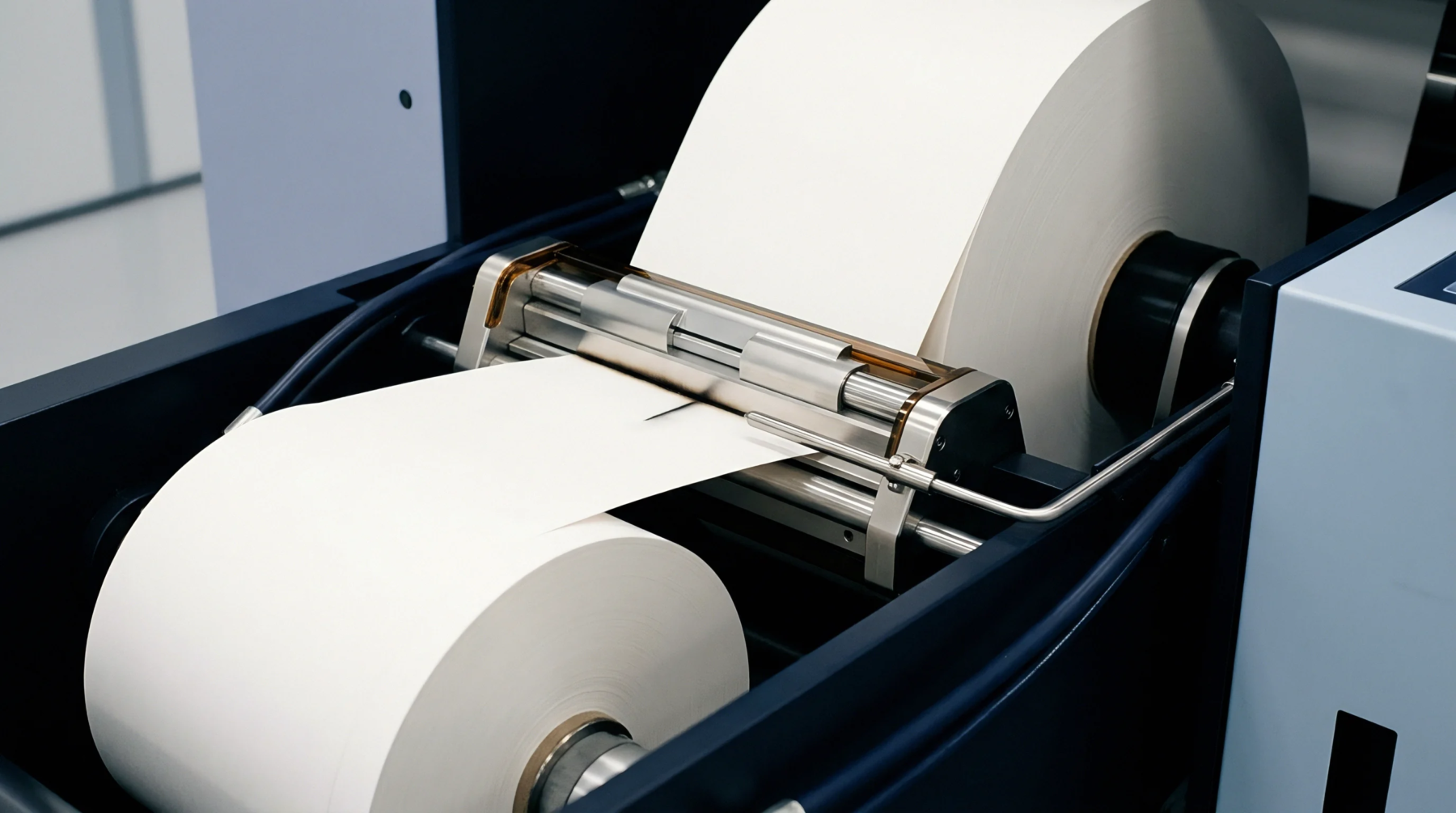
High-bulk BCTMP cores maintain boxboard bending stiffness during caliper downgauging while chemical wet-end additives prevent delamination under score creasing.

High yield pulp mass balances fail when mills exclude white water solubles and moisture variation, exposing buyers to chain of custody audit liabilities.
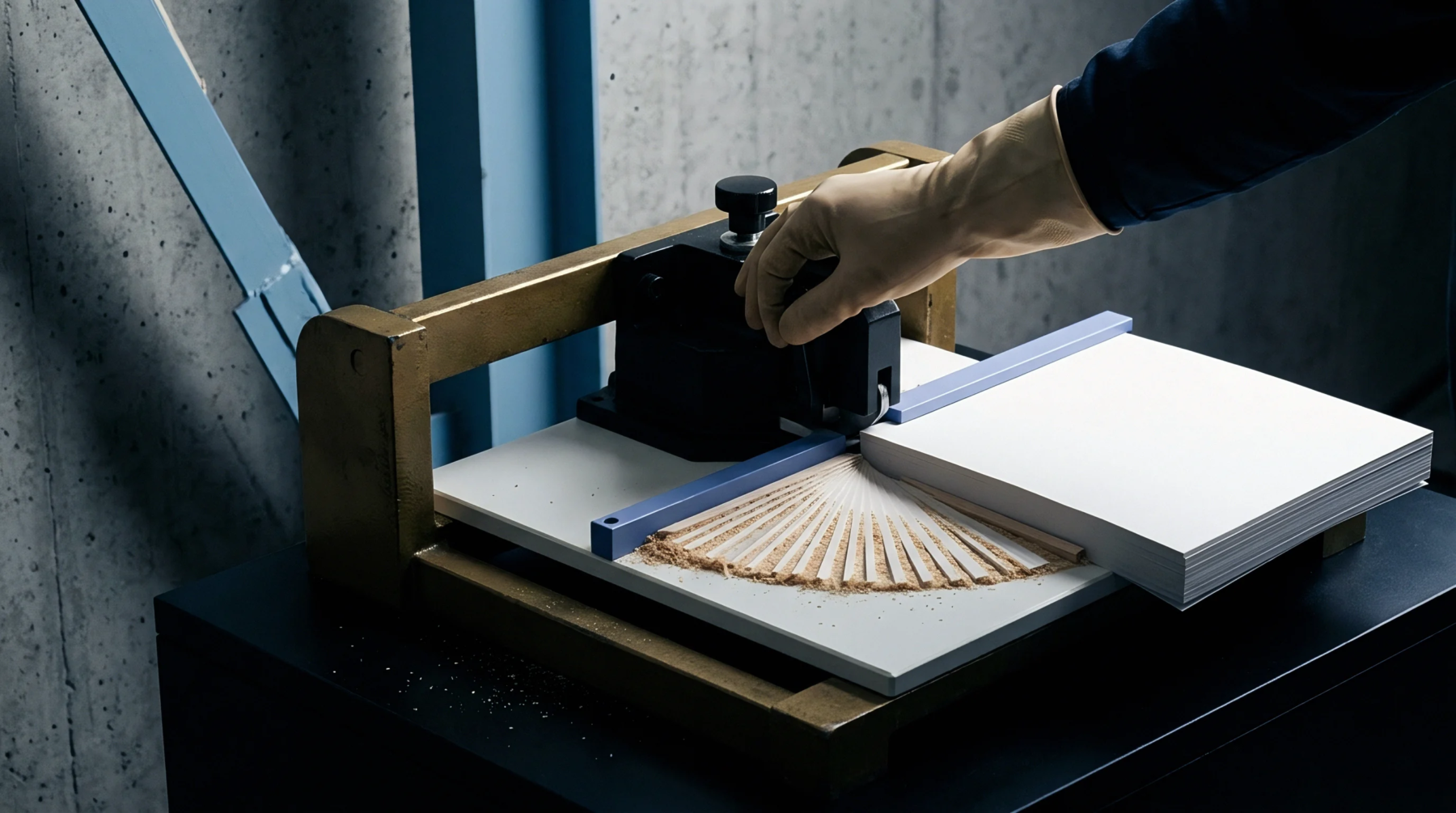
Preserving folding boxboard bending stiffness during weight reduction relies on maintaining mechanical core bulk while elevating outer ply elastic modulus.

Grammage and caliper specifications require ISO test method conditioning standards and tight bulk tolerance clauses to prevent converting line failures and yield losses.
Expertise is a utility, not a secret. sentiention™ publishes its working knowledge as open reference: intelligence layer covering the materials it sources, the markets it enters, and the reference that serves both.