Calibrating Cartoner Crease Depth Ratios for High Speed Package Ejection
Maintain crease depth ratios between 0.55 and 0.65 to induce internal ply shear, reducing panel springback torque for clean high-speed package ejection.
Maintain crease depth ratios between 0.55 and 0.65 to induce internal ply shear, reducing panel springback torque for clean high-speed package ejection.
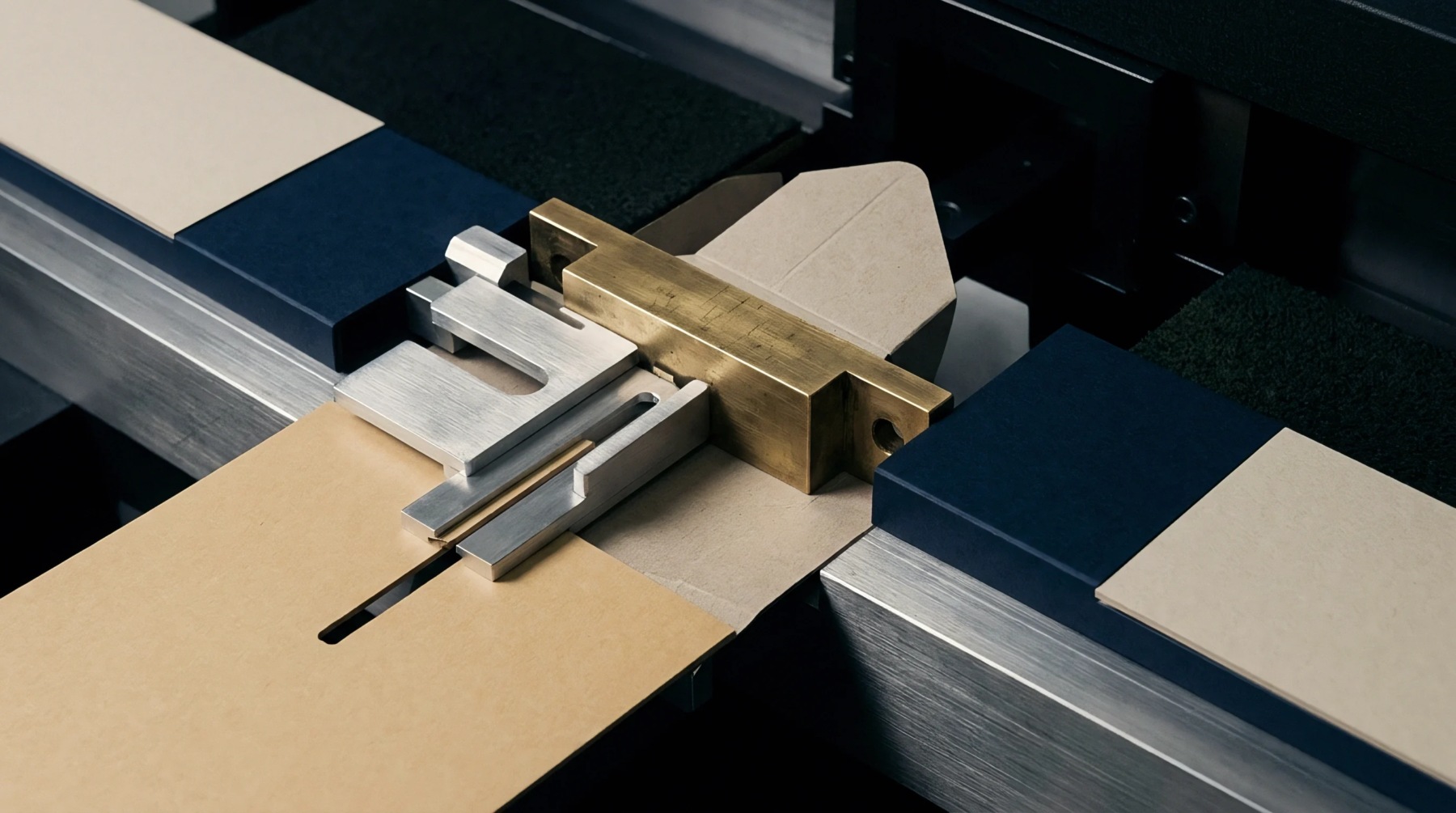
Optimizing triple ply folding boxboard stiffness requires maximizing middle layer bulk using BCTMP while placing high elastic modulus chemical pulp in outer skins.

Rotary female die scoring of extruded PE layers requires limiting peak shear strain below 1.65 to prevent pinhole fracturing and barrier loss.

Polyethylene viscoelastic strain recovery causes barrier laminate curl and crease springback, controlled via resin density selection and chill roll quench profiles.
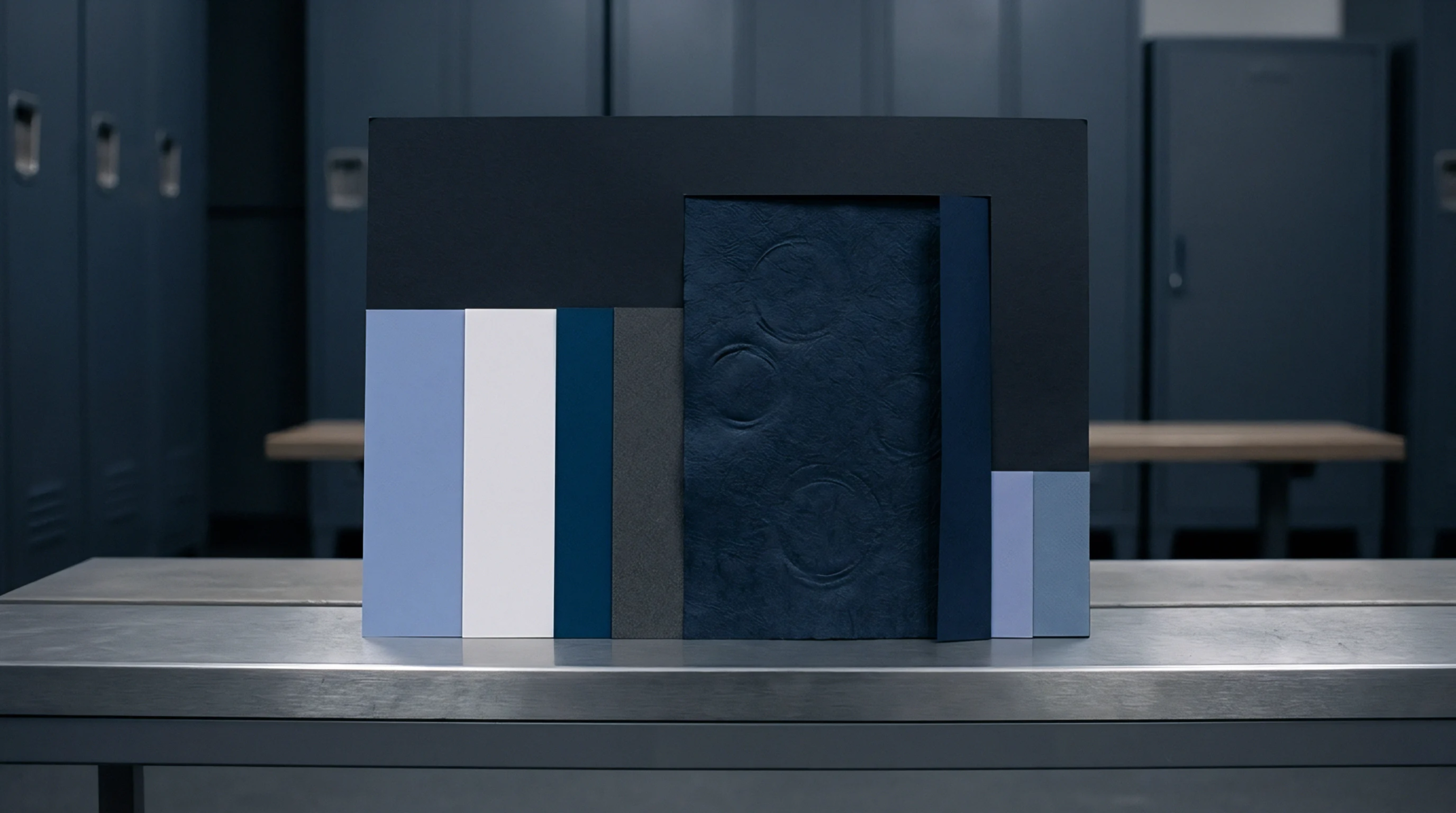
Optimize crease score geometry by matching rule width and counter depth to caliper while sizing channel width to induce core shear delamination without coating cracks.
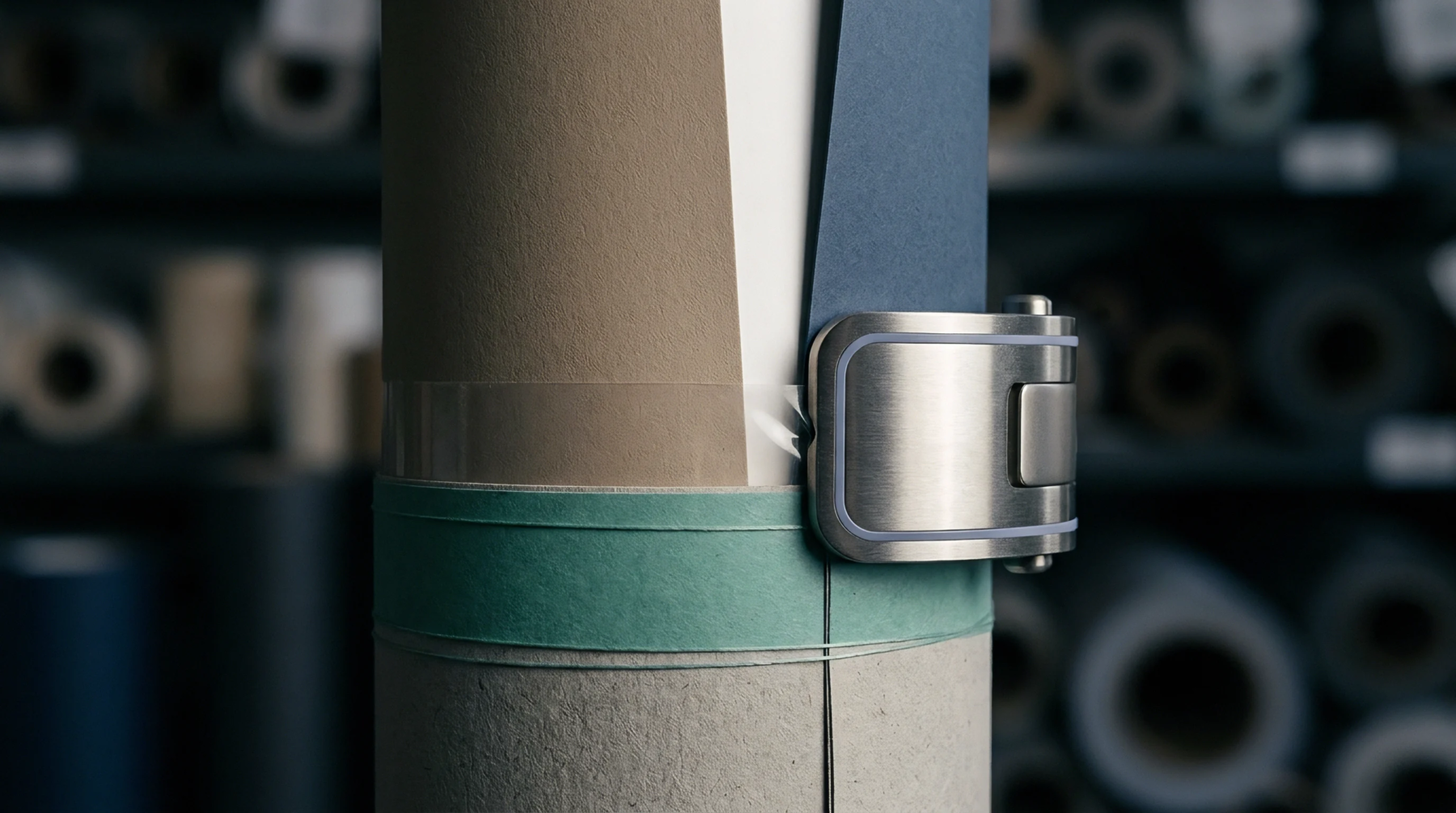
High-speed cartoning requires specifying dynamic internal bond energy above 110 J/m2 to prevent strain-rate matrix delamination during 15-millisecond tuck folds.
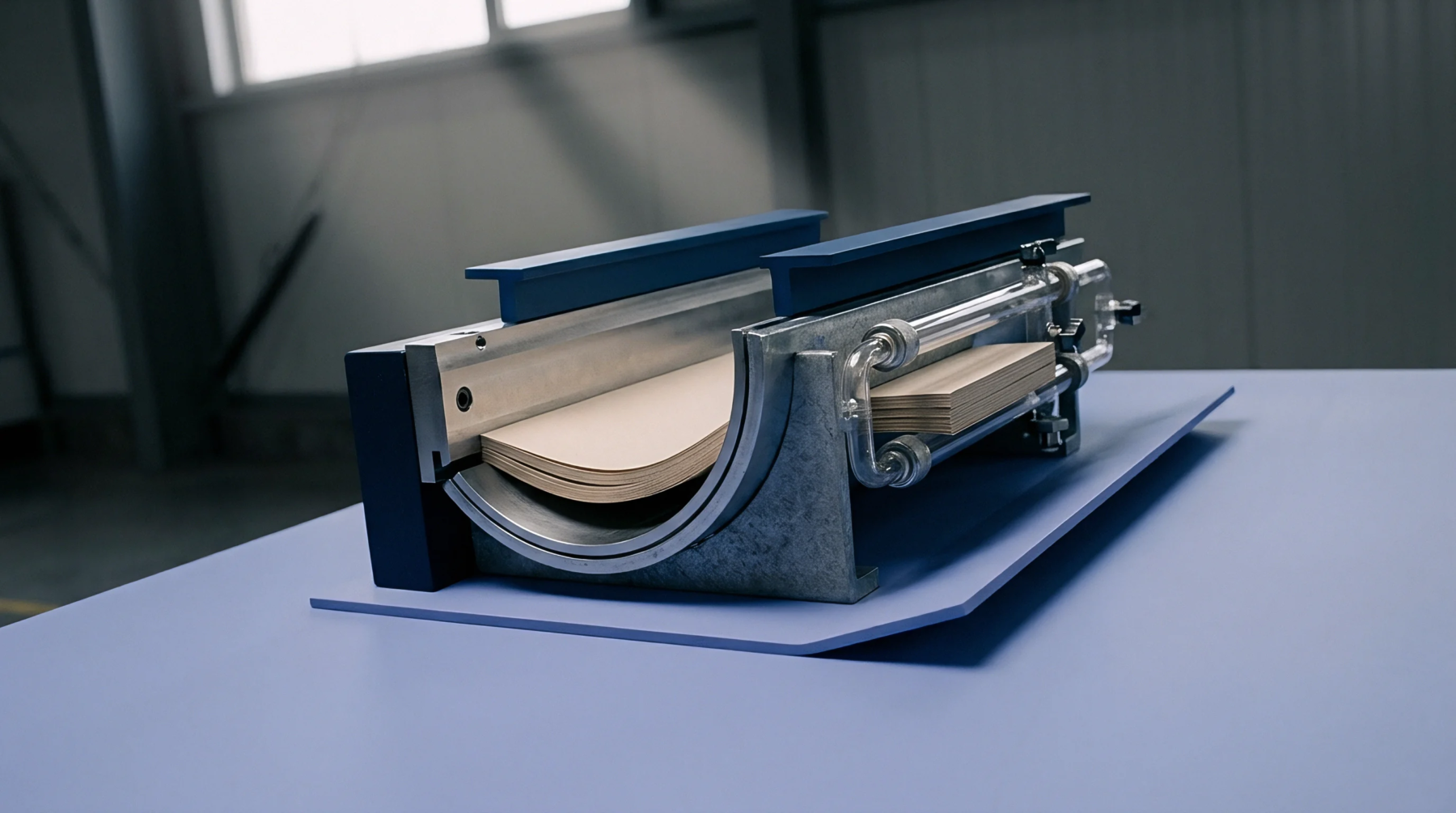
Crease evaluation measures 15-degree sheet stiffness against 90-degree fold resistance, targeting a 30 to 50 percent ratio to prevent cartoning line jams.
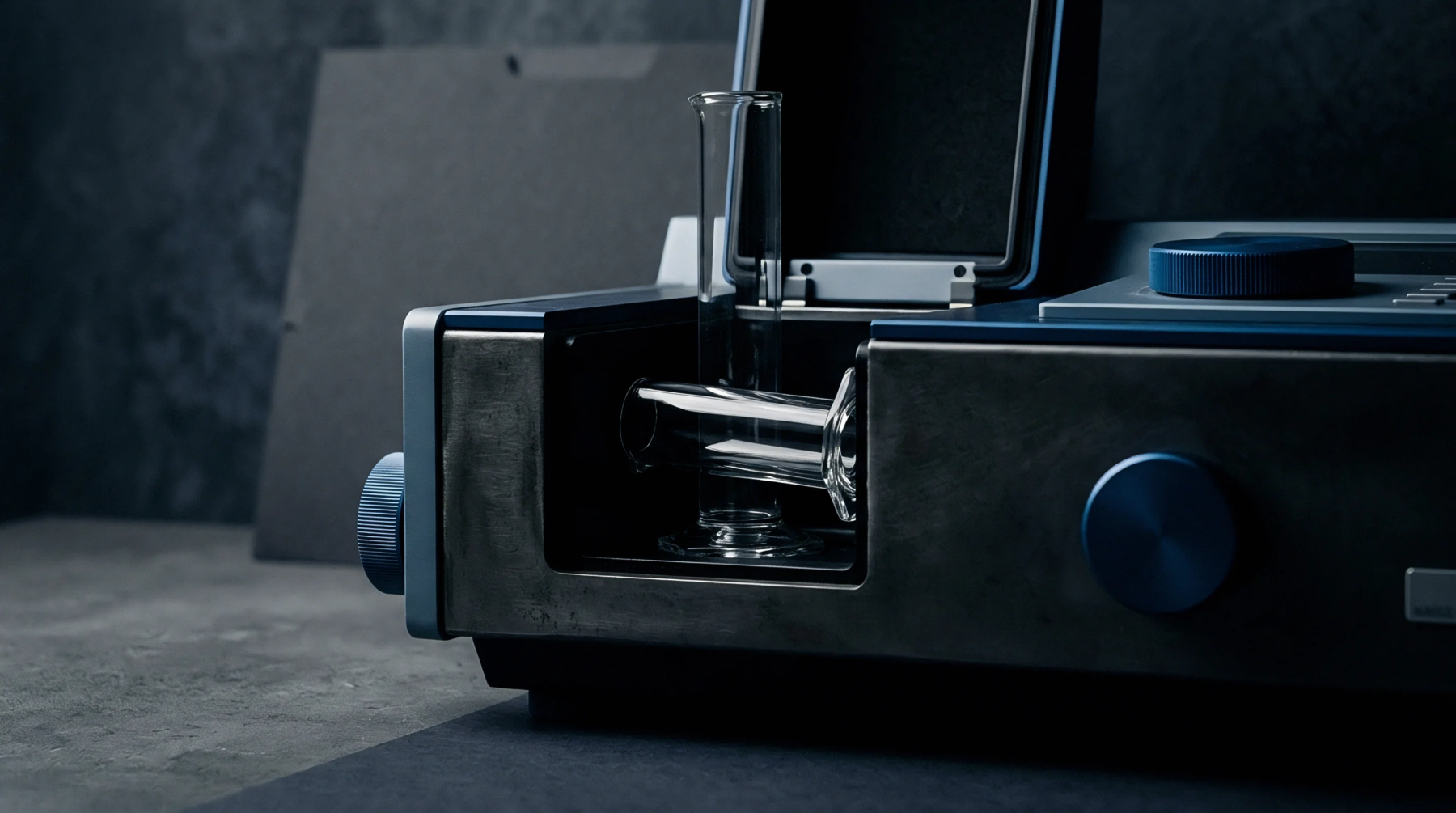
Phase function compensation models eliminate subsurface optical scattering errors in high-speed paperboard profilers, ensuring precise caliper profile control.
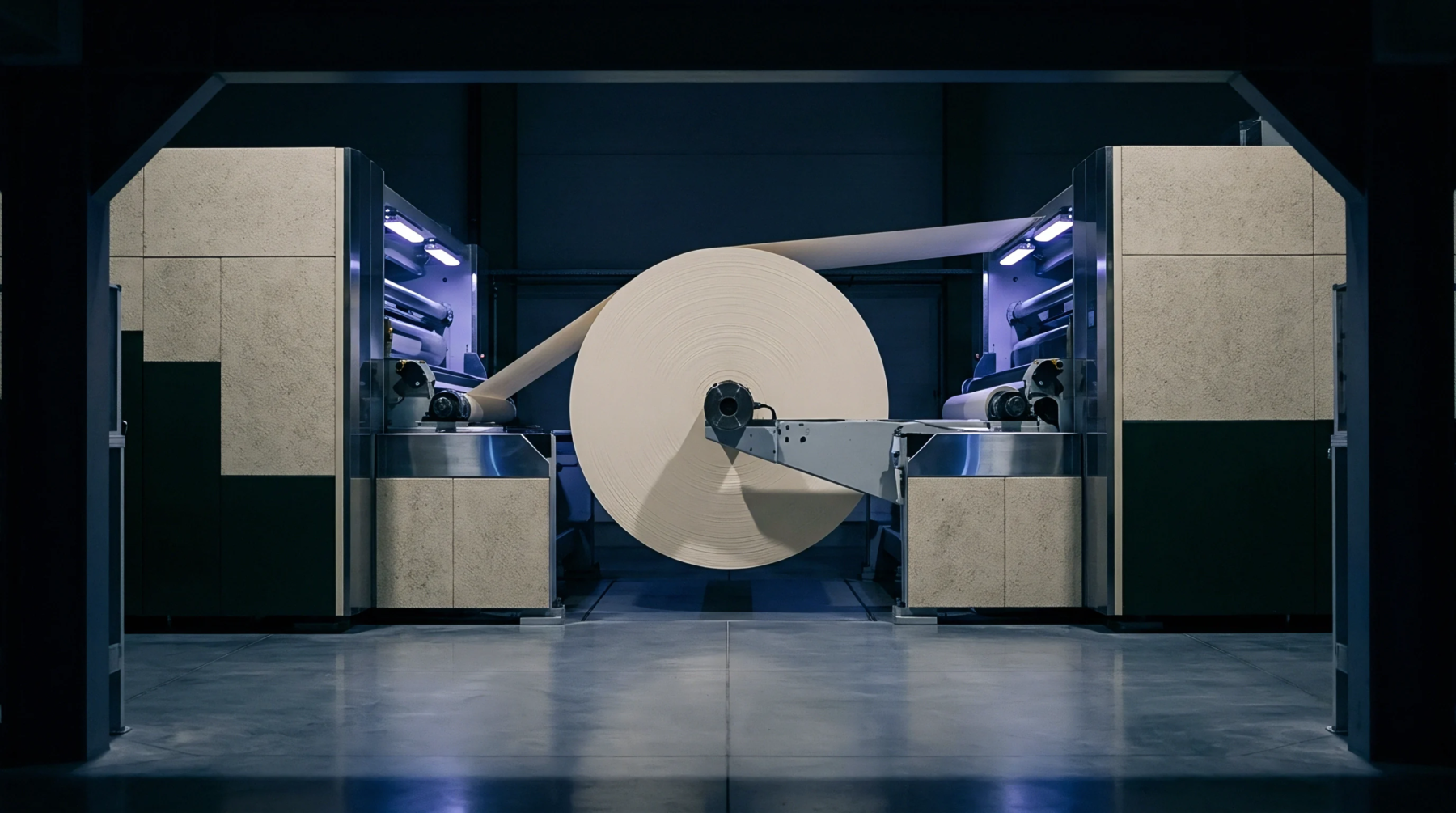
Optical penetration depth correction in continuous board web profilometry mathematically compensates for subsurface scattering to ensure true mechanical caliper.
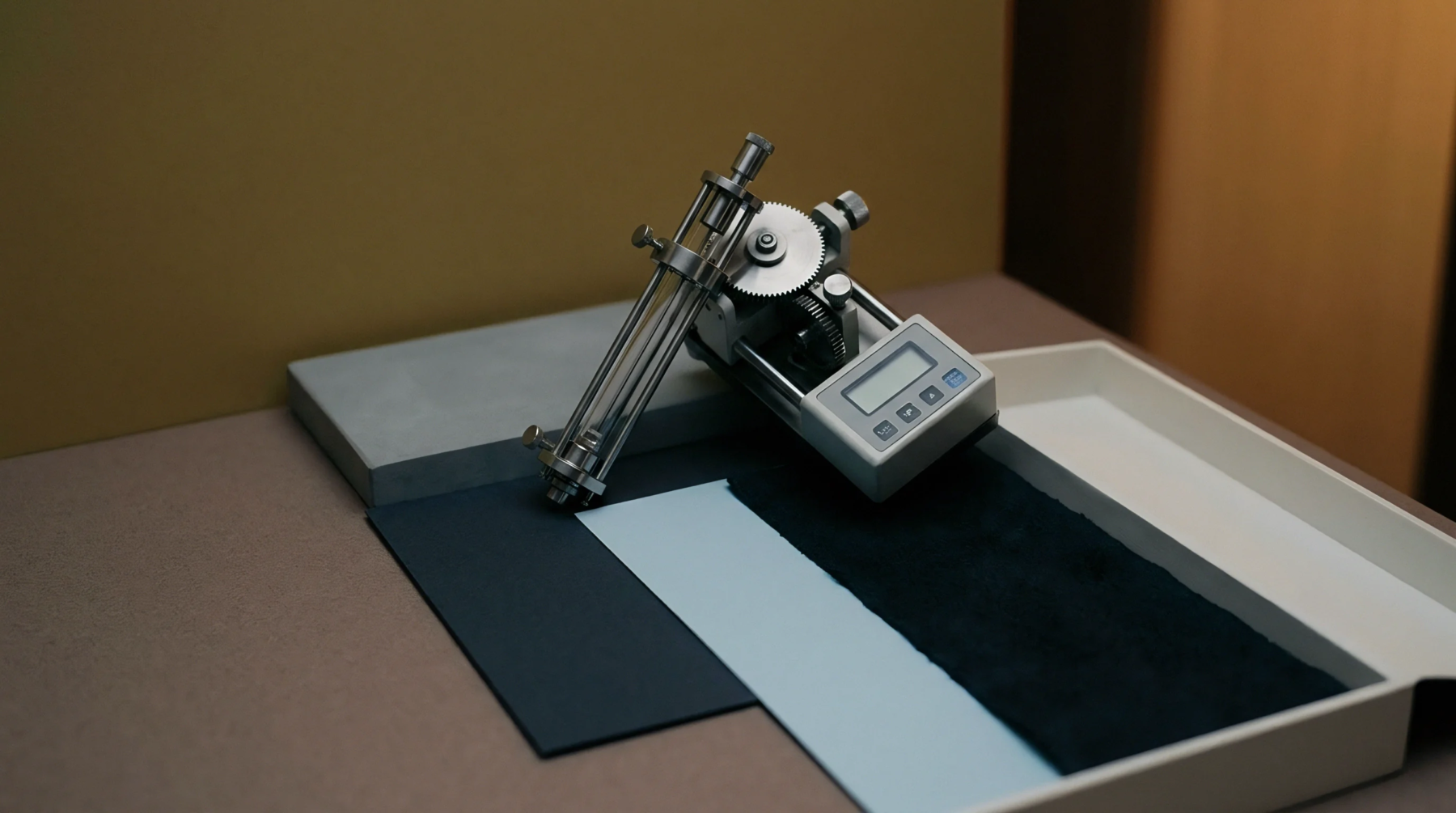
Shear strain localization in multilayer polymer creases drives interfacial debonding, manageable through optimized matrix clearance and tie-layer adhesion.
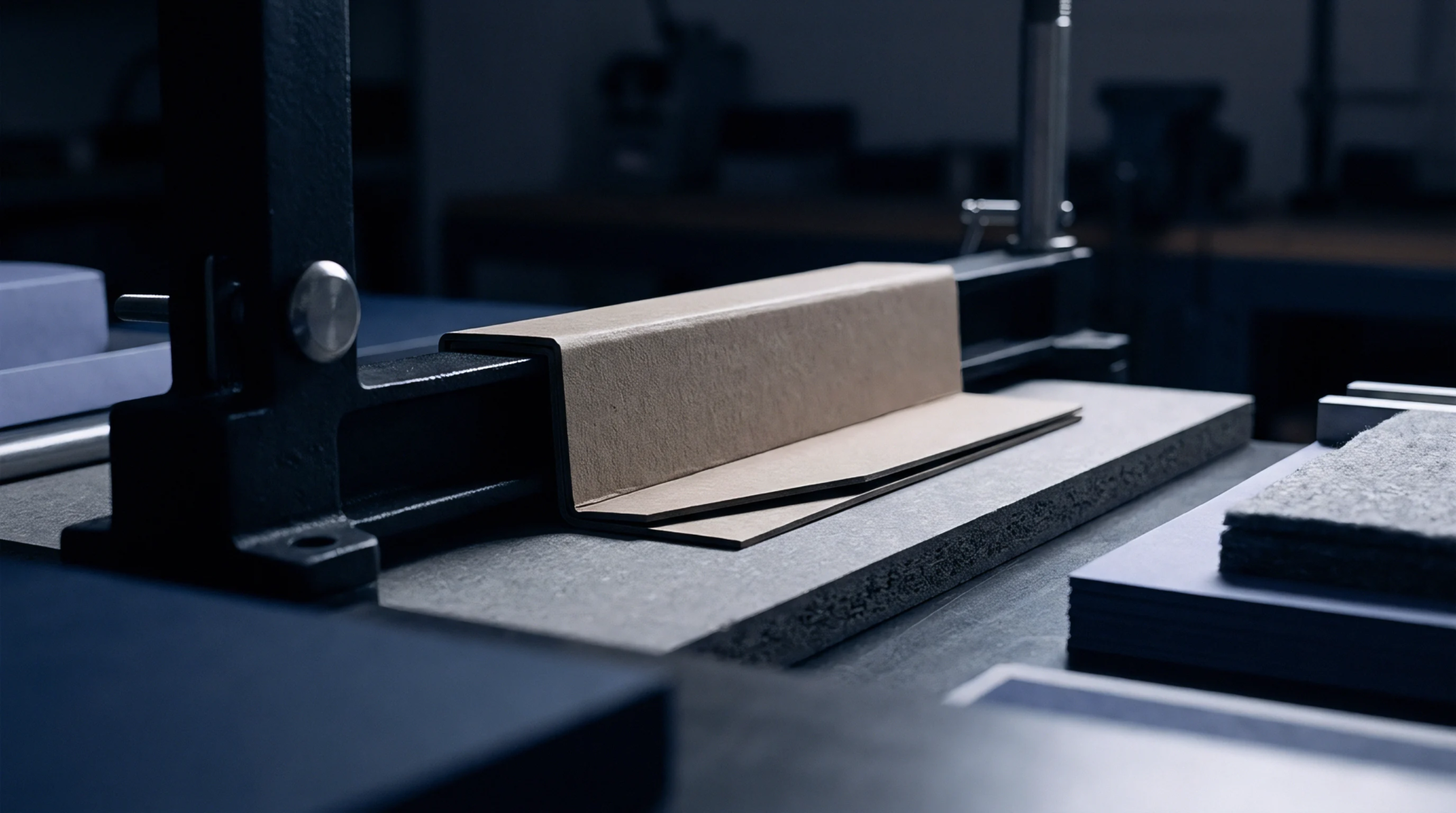
Extrusion and dispersion coating elongation limits require matching tool tip geometry and board moisture to prevent outer-fiber micro-cracking under scoring press kinematics.
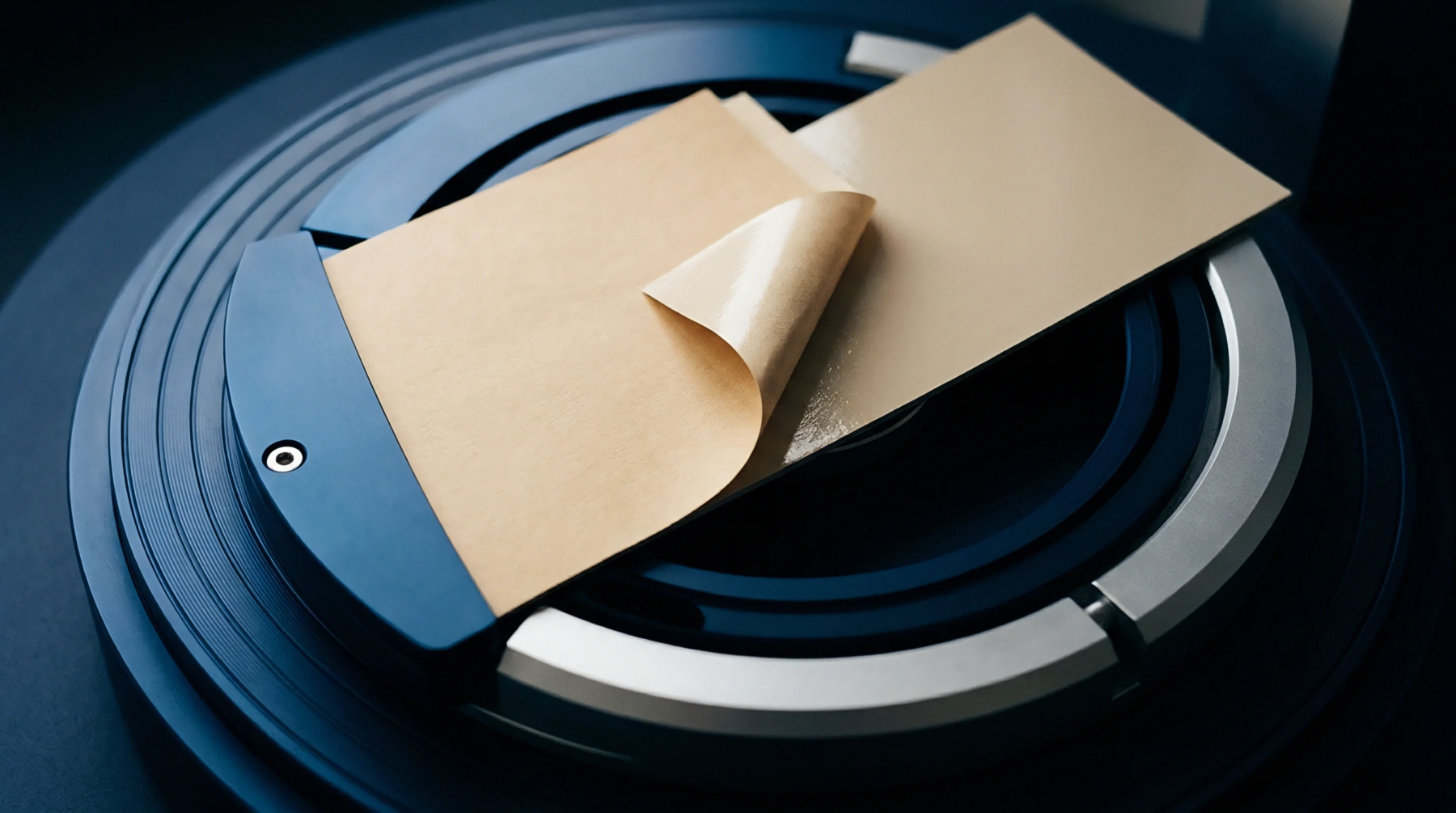
Optimize counter-matrix width and rule penetration depth to induce internal core ply delamination while protecting outer extrusion barrier films from shearing.
Exceeding polyolefin dynamic strain rate thresholds during micro-perforation causes brittle layer fracturing and severe z-direction secondary fiber delamination.

Modifying creasing matrix channel width and male rule tip radius prevents polymer film elongation cracking and maintains gas barrier integrity across folded scores.
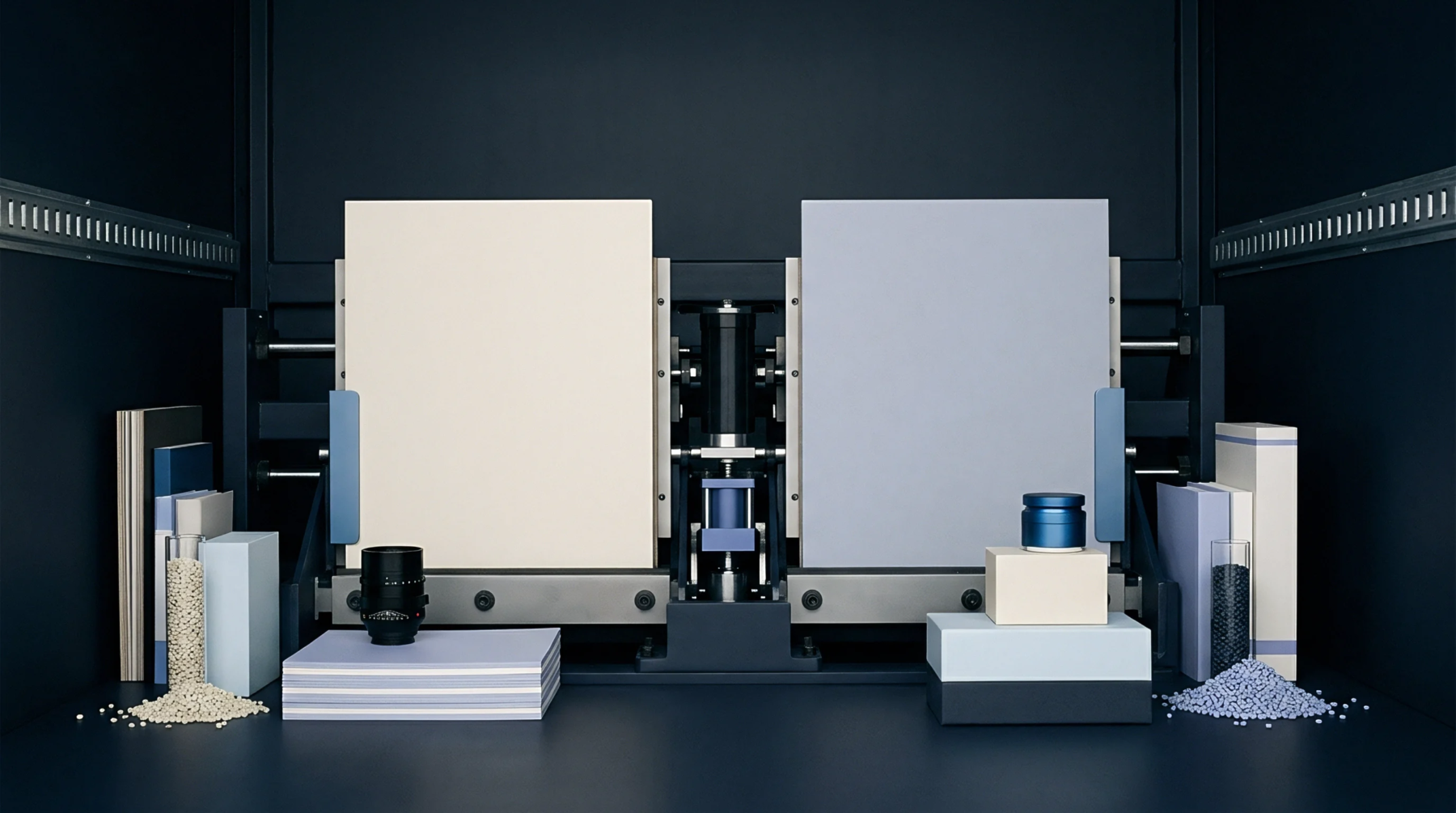
Recycled fiber surface peaks exceed thin polymer melt curtains, creating pinholes that require pre-coating or heavier resin laydown for barrier continuity.
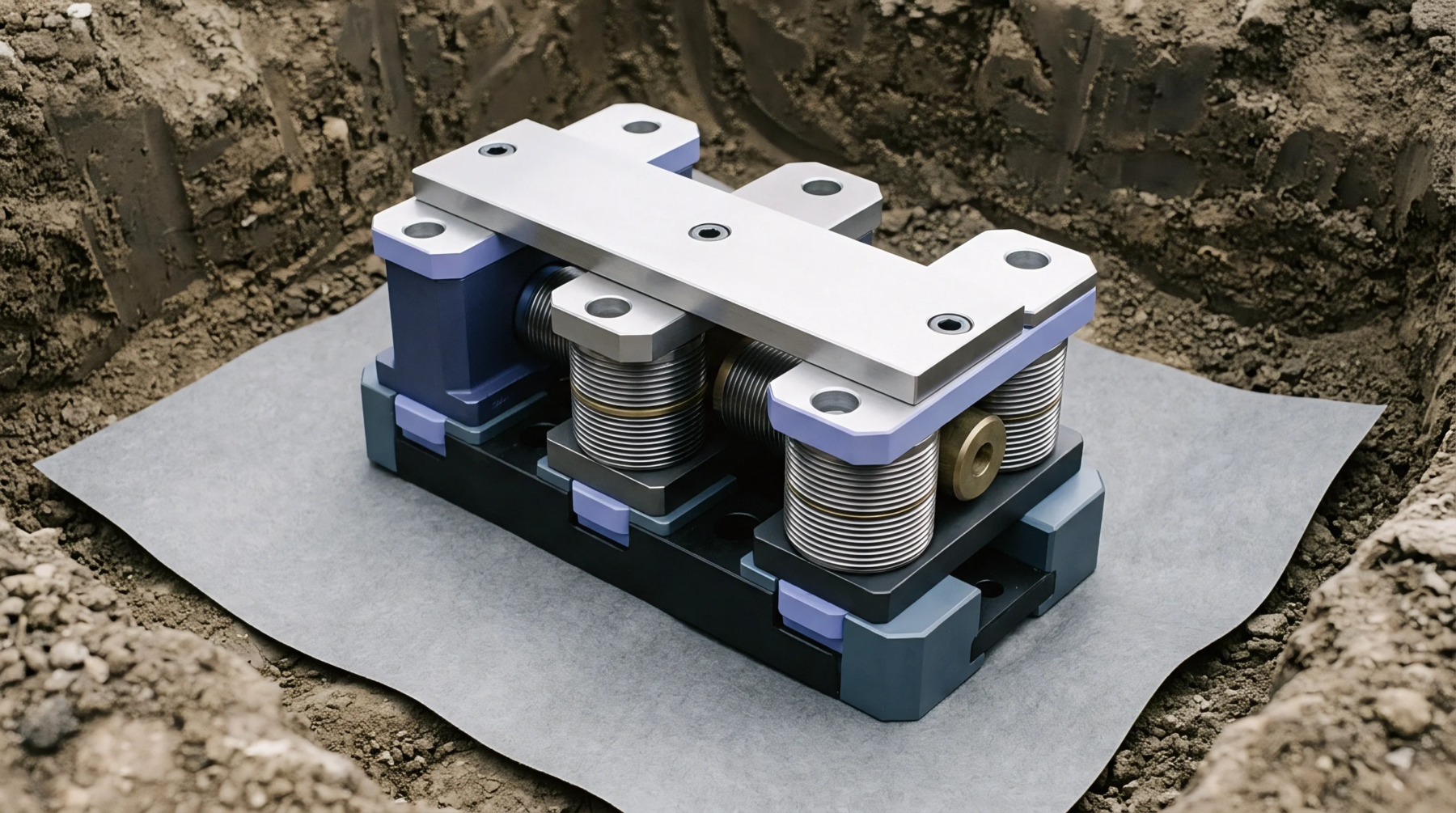
Dynamic surfactant competition at 1-3 ms surface ages governs air entrainment boundaries in curtain heels operating above 1,200 metres per minute.
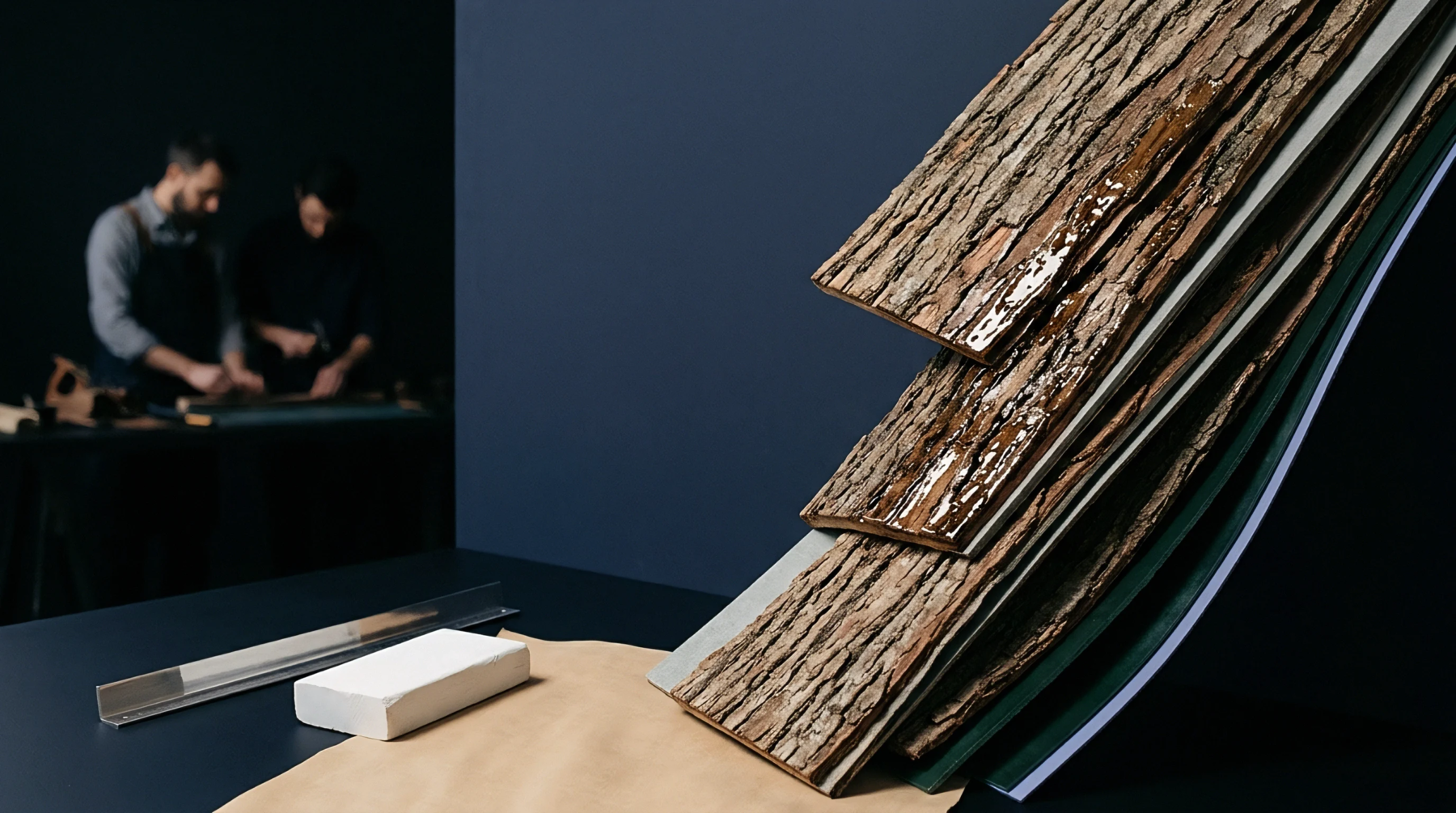
Dynamic contact angle decay within 10 to 100 milliseconds governs liquid holdout and adhesion on paperboard, requiring tight surfactant diffusion control.
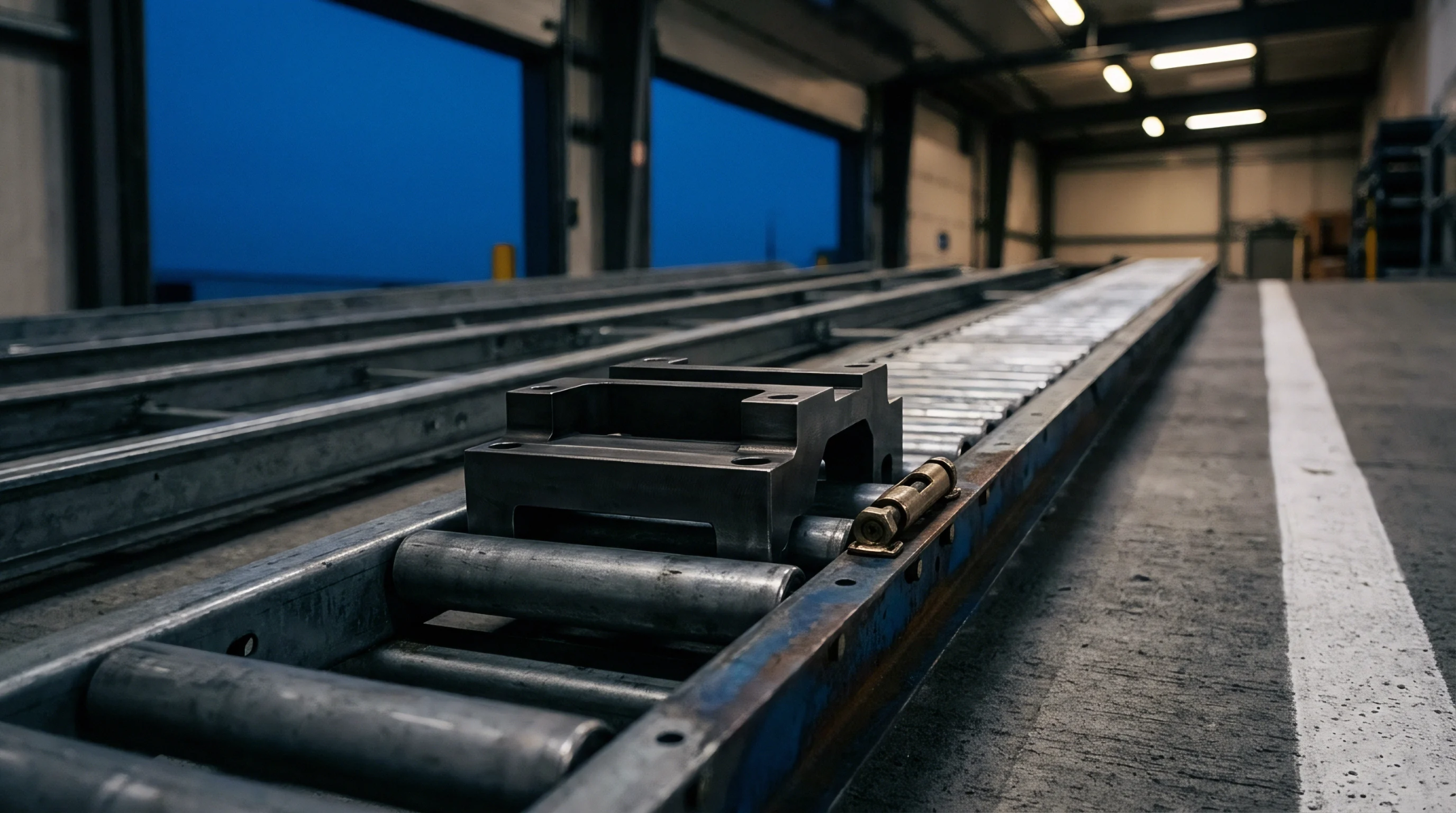
Dynamic hygral loading accelerates viscoelastic stress relaxation in recycled fibres, demanding higher safety factors and virgin reinforcement in packaging.
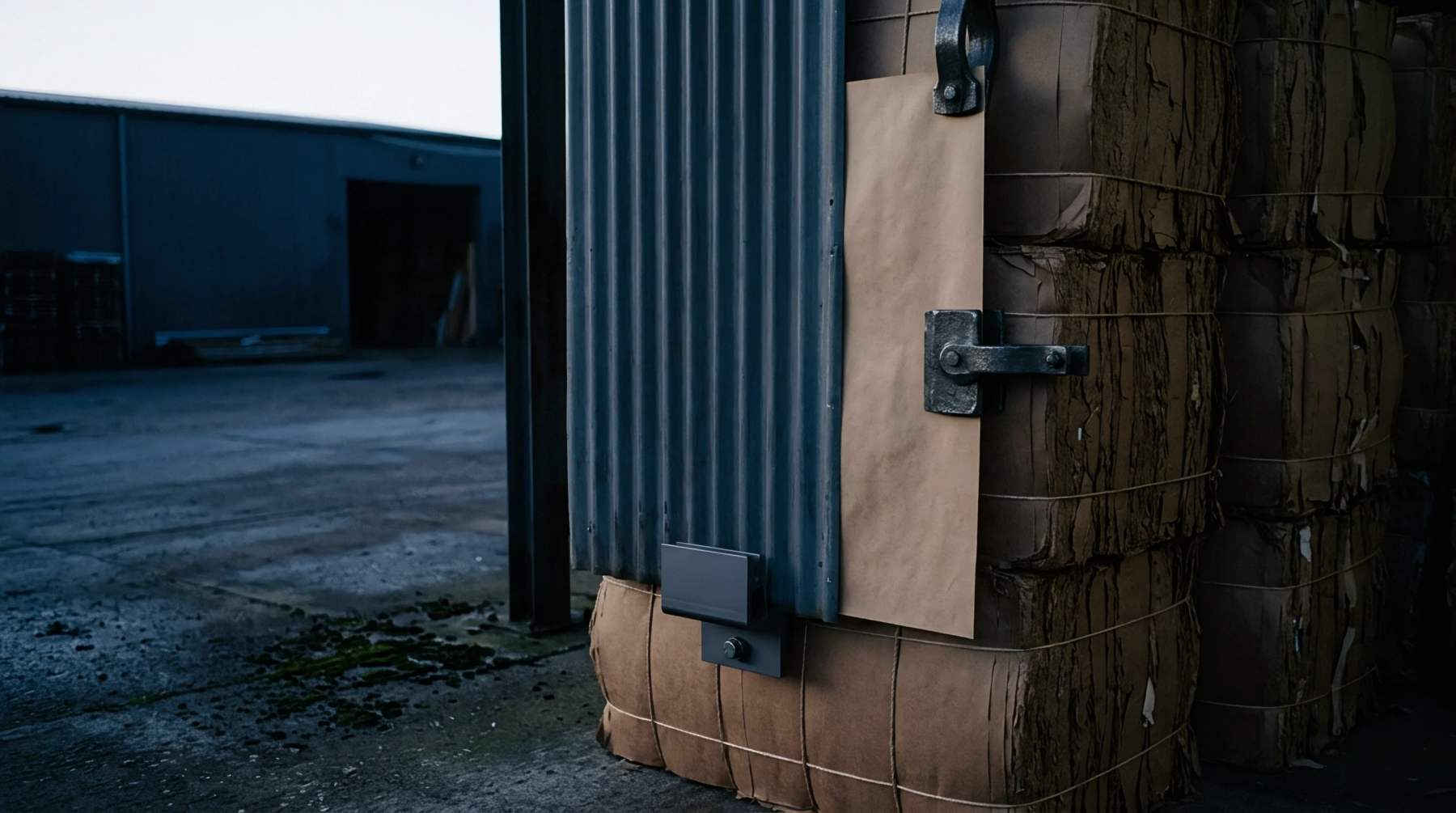
Finite element modeling of transient moisture gradients predicts stack edge distortion and guides pre-conditioning timing to prevent press downtime and waste.
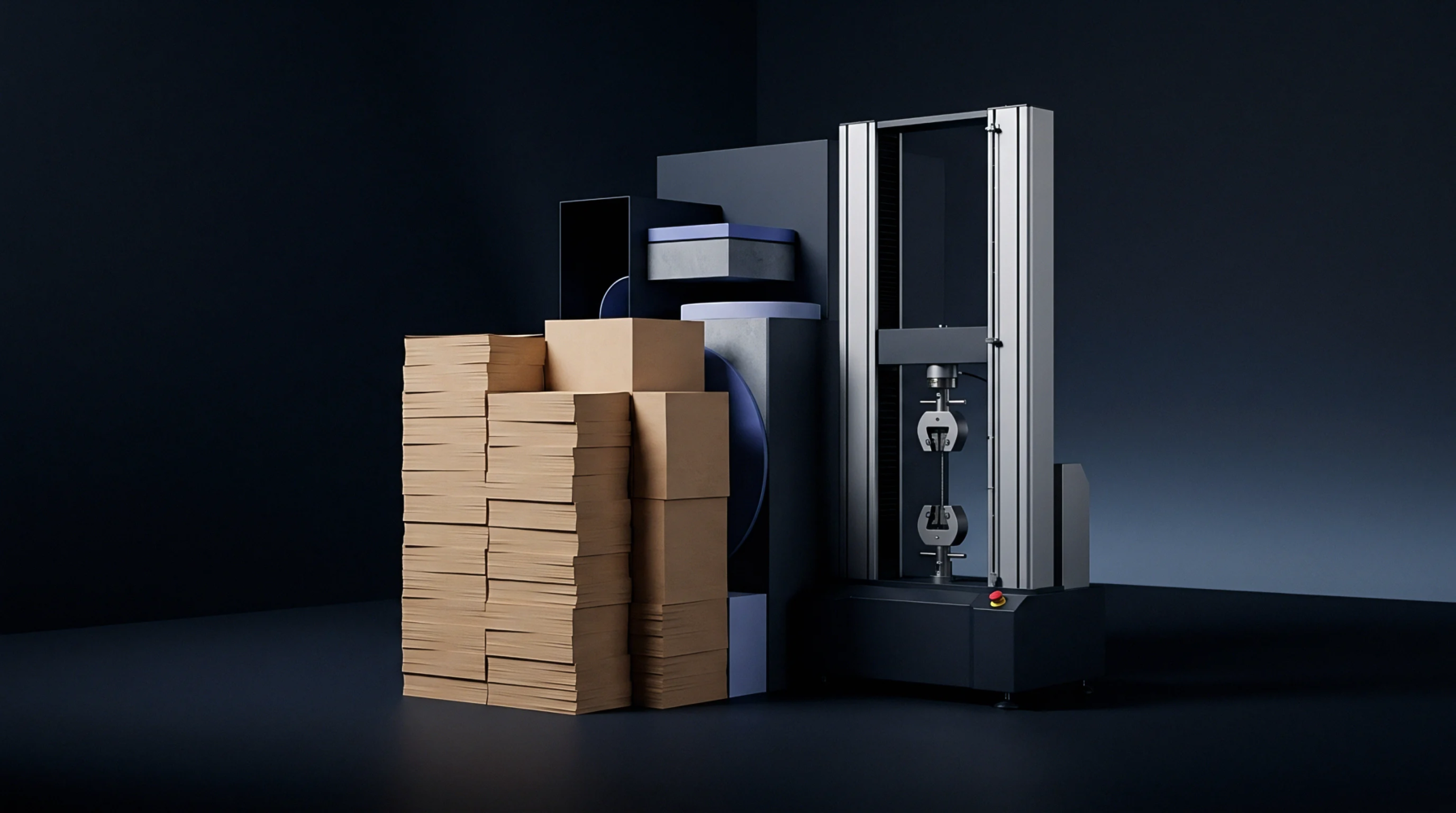
Hygral edge waving in recycled paperboard skids results from perimeter moisture absorption driving compressive buckling against a dry, rigid core.

Integrating real-time scanner defect maps into multi-machine slitting formulations eliminates downstream press downtime by dynamically routing edge flaws into trim.
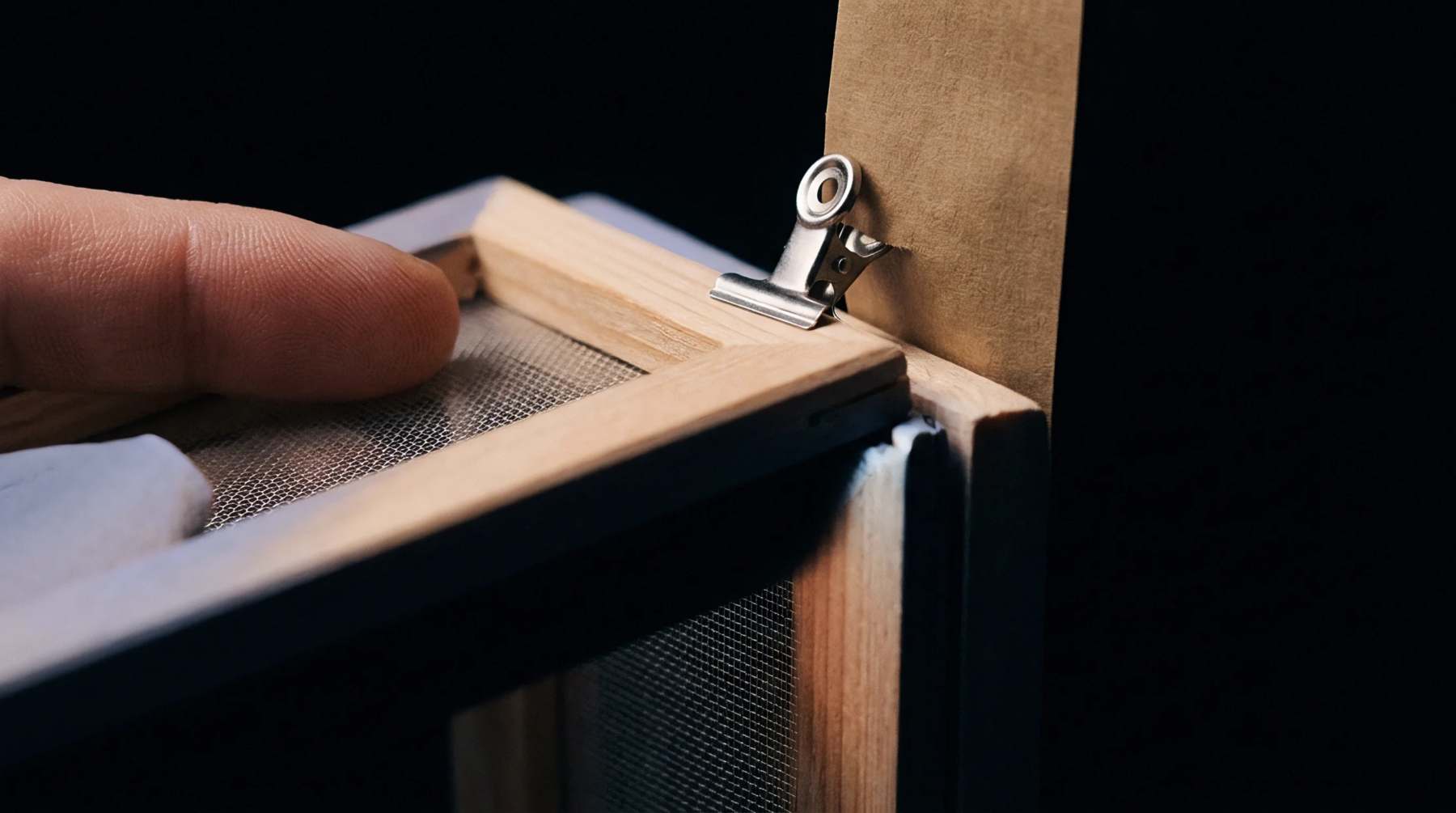
Optimizing secondary slitter schedules requires balancing changeover downtime against deckle off-trim waste using dynamic knife positioning thresholds.
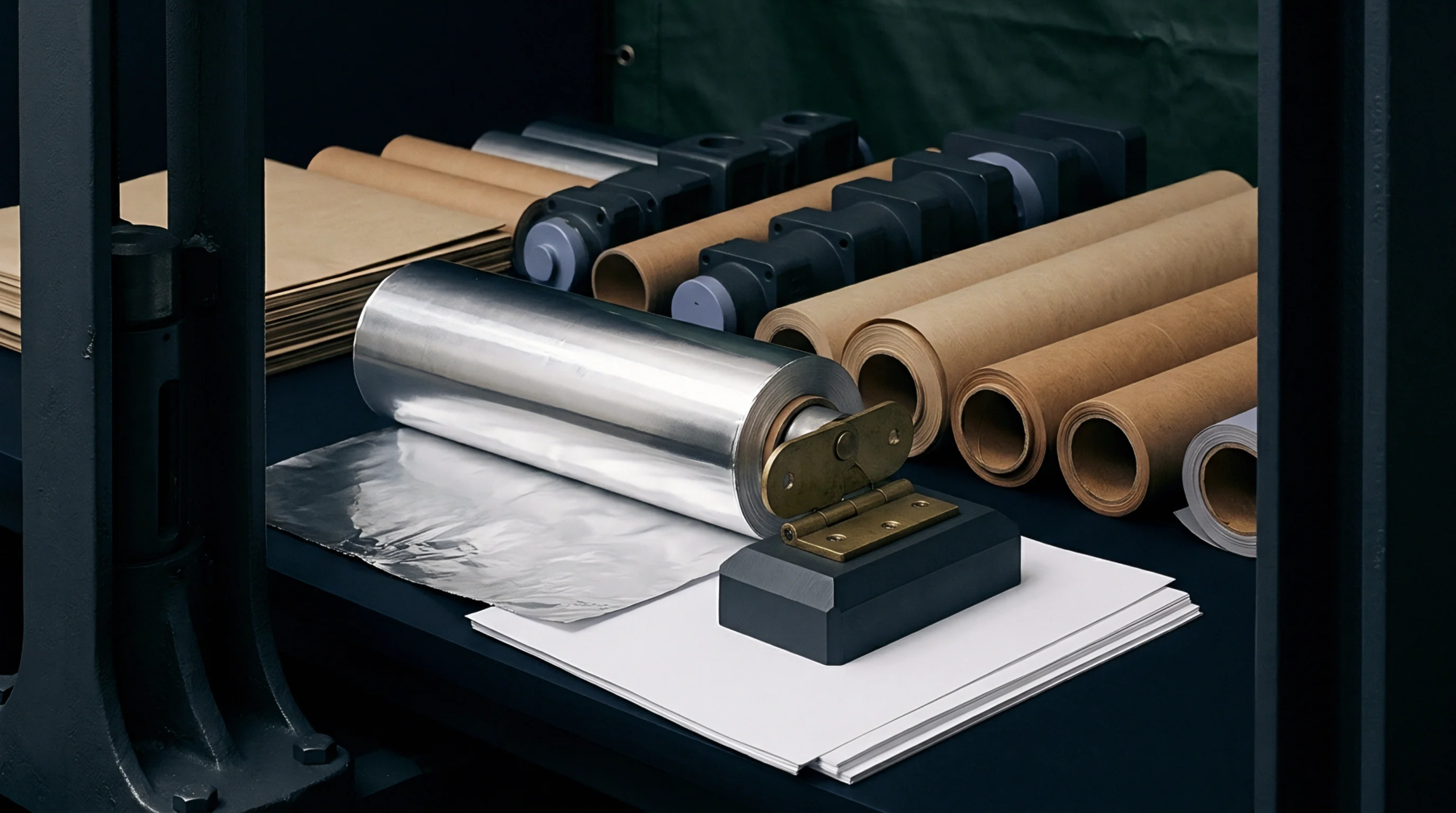
Calculate machine deckle efficiency by dividing total slit customer roll widths by maximum trimmed web width, factoring in edge shrinkage and repulping waste.
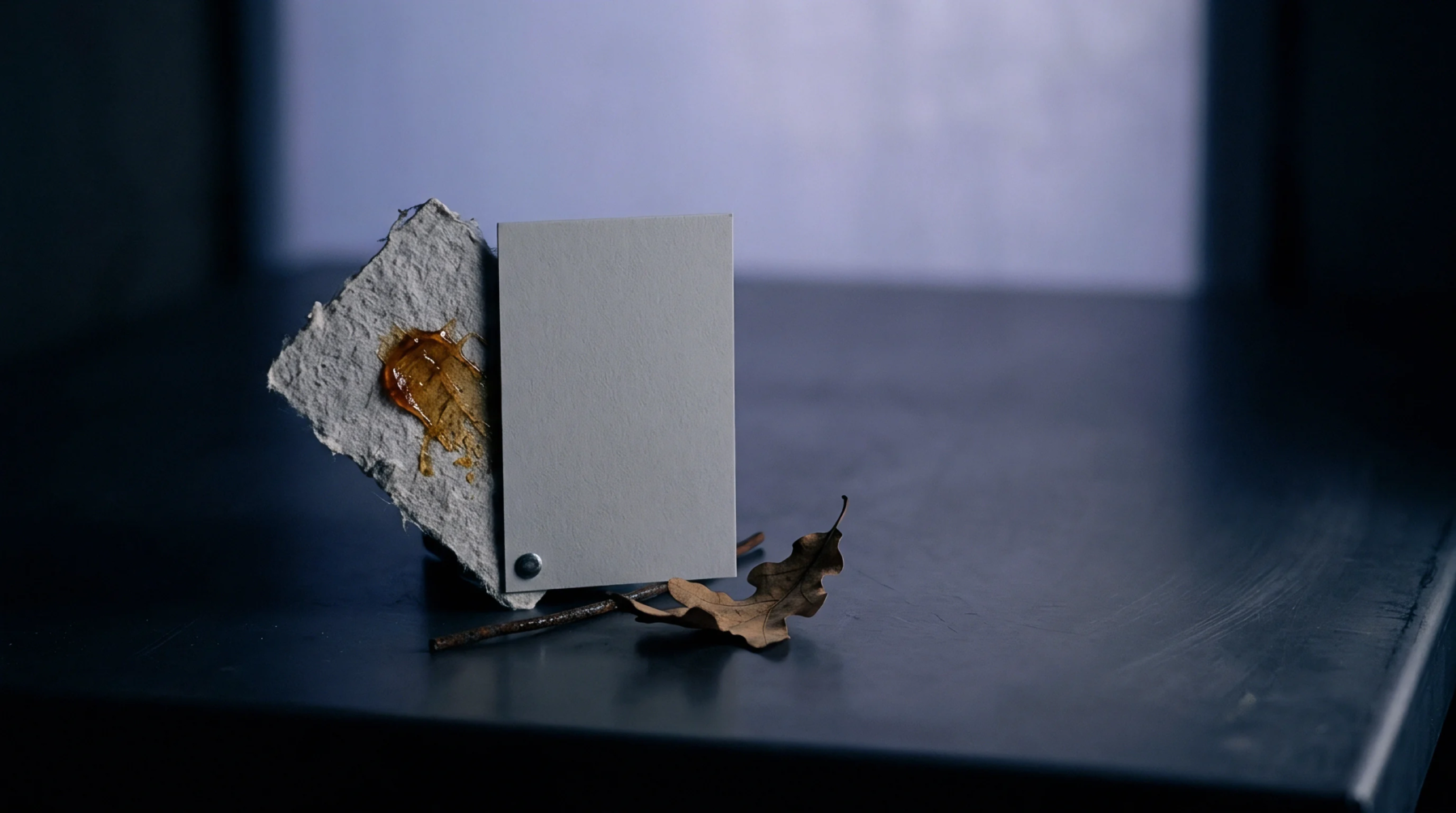
Dense cellulosic substrates resist extended thermal lipid migration when moisture vapor flash pressure and low pore radius counter temperature-driven oil viscosity drops.
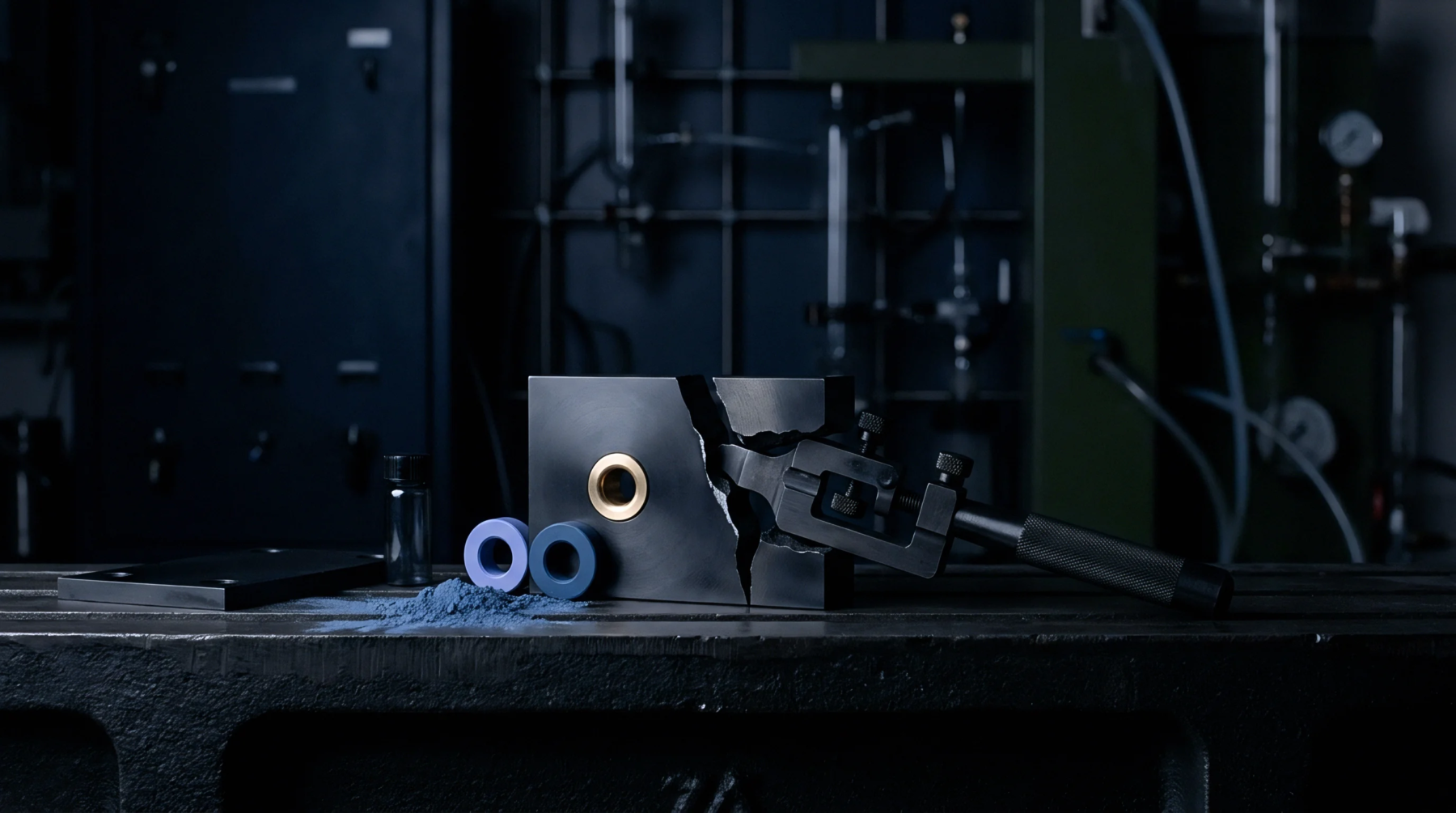
Non-fluorinated bakery wraps maintain grease barrier integrity when dispersion elasticity exceeds score tensile strain to stop pinhole leakage.

Hydrating kraft pulp to 78-84 degrees Schopper-Riegler via low specific edge load refining eliminates paper porosity to achieve grease resistance without chemical additives.
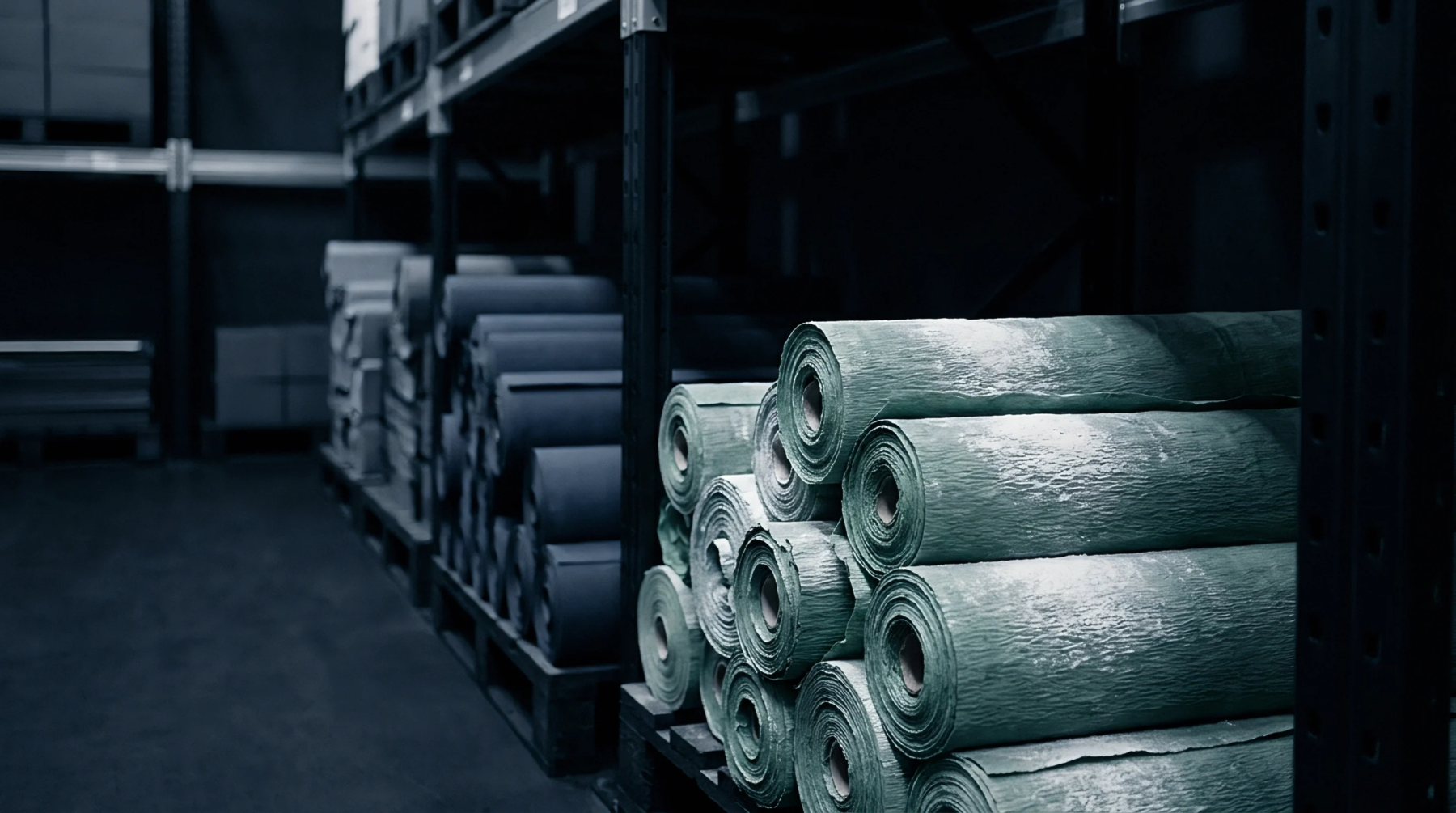
Transient humidity cycling accelerates board deflection fivefold, demanding decoupled ply hygroexpansivity inputs and wider safety margins to prevent collapse.
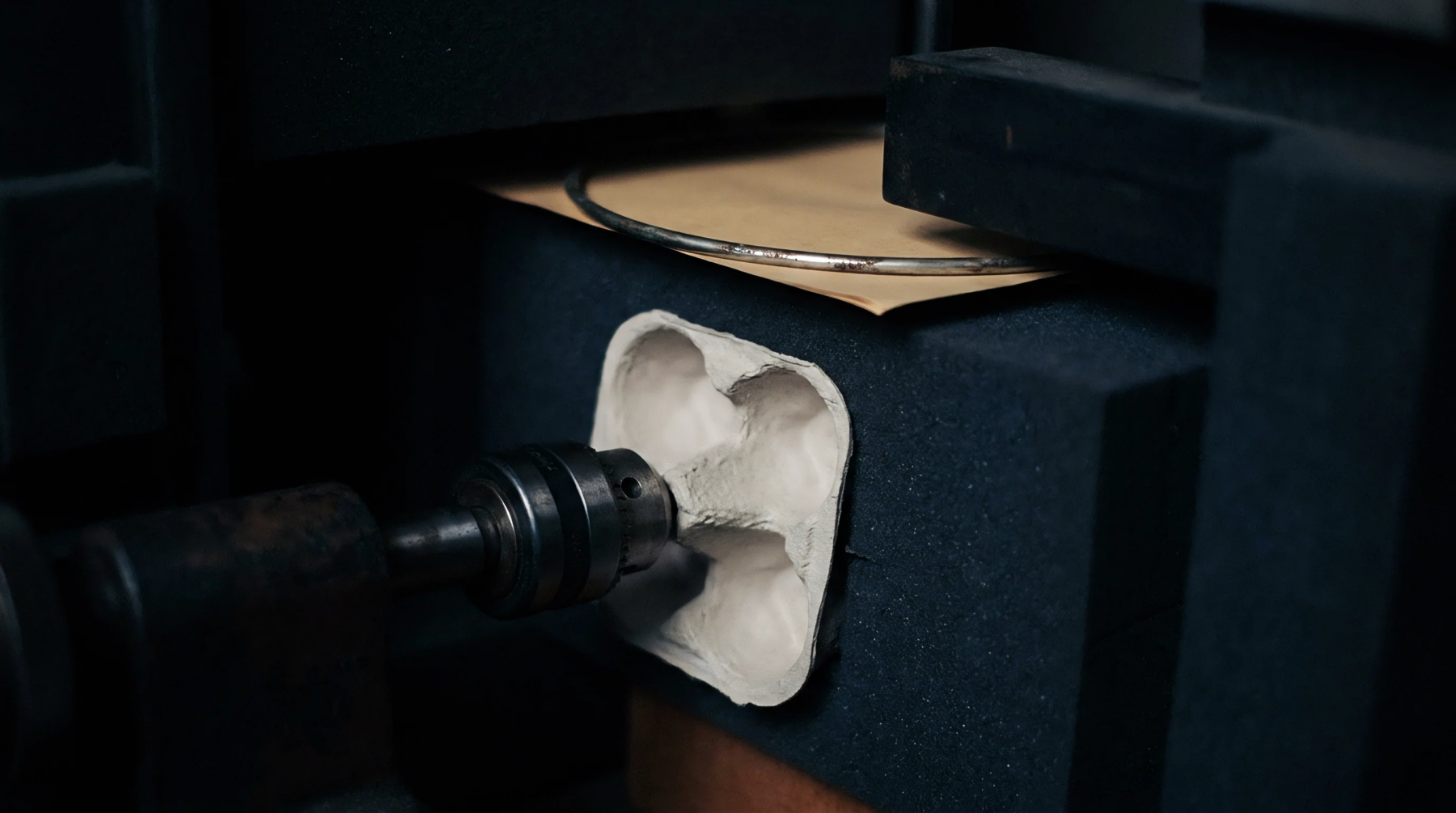
Elevated humidity causes gas-phase moisture sorption that disrupts interfiber hydrogen bonds, reducing sheet elastic modulus and causing converting failure.
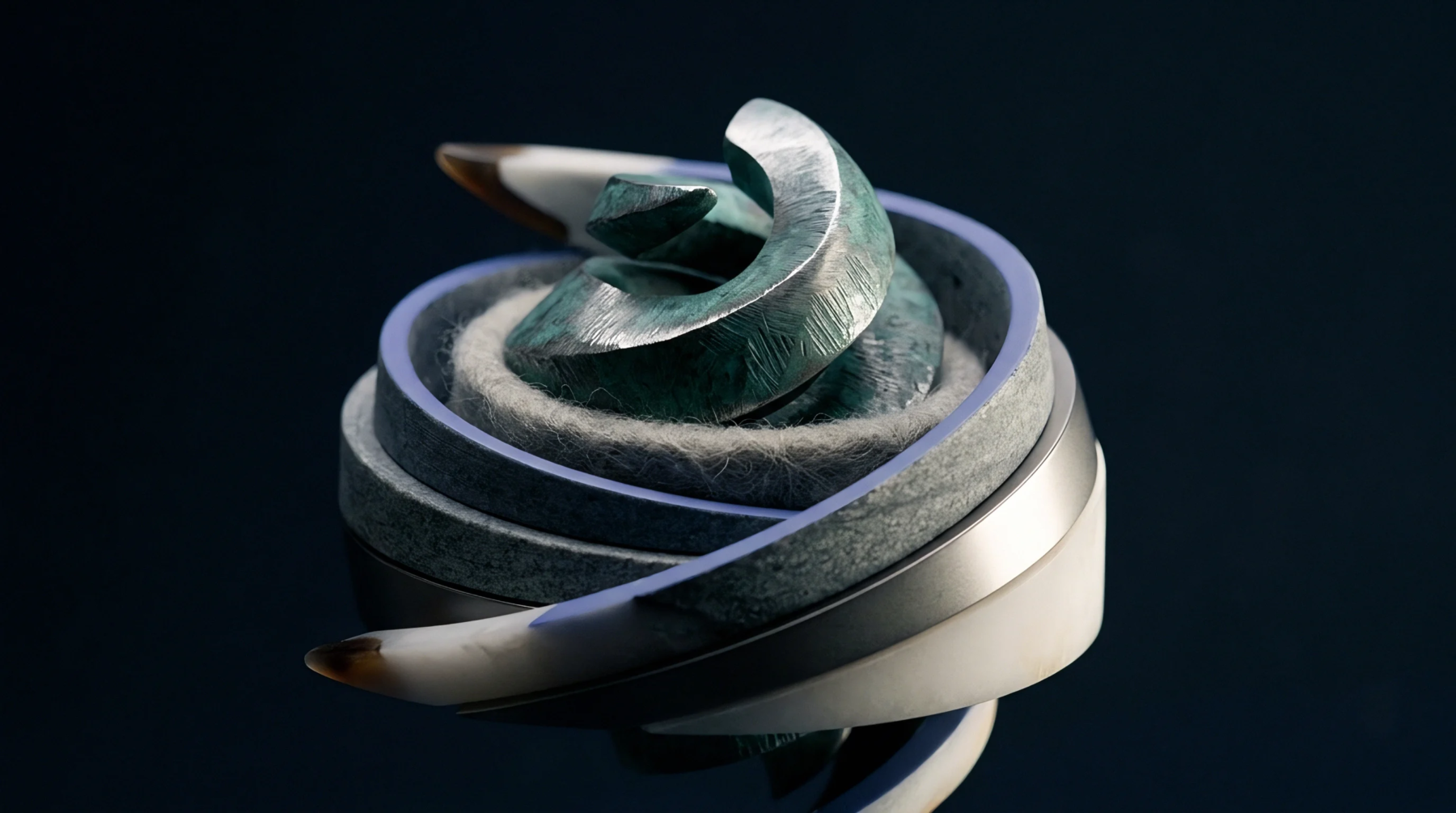
Controlling moisture sorption and anisotropic hygroexpansion requires tight warehouse humidity regulation to prevent converting misregistration and warp defect losses.
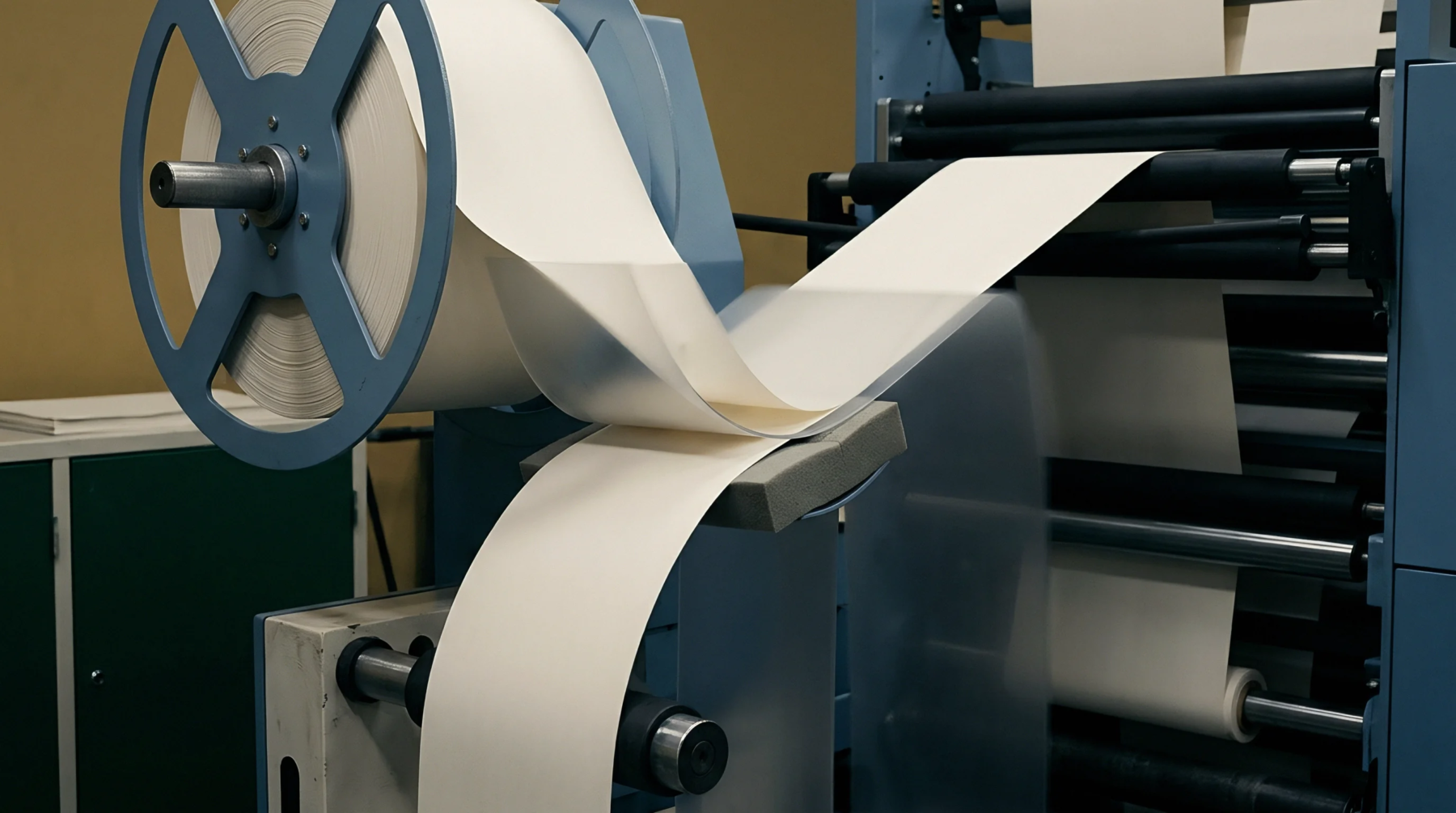
High-speed web steaming drives steep Z-direction thermal gradients, requiring tight exposure control below 20 milliseconds to prevent core ply delamination.
Expertise is a utility, not a secret. sentiention™ publishes its working knowledge as open reference: intelligence layer covering the materials it sources, the markets it enters, and the reference that serves both.