
Optimizing Triple Ply Folding Boxboard Layer Stiffness Architecture
Optimizing triple ply folding boxboard stiffness requires maximizing middle layer bulk using BCTMP while placing high elastic modulus chemical pulp in outer skins.

The substrate is decided before any artwork exists. Kraft, coated, recycled, board, specialty: each stock sets its own cost curve, print behaviour and recycling stream. Choose the material first ~ the packaging follows.

Optimizing triple ply folding boxboard stiffness requires maximizing middle layer bulk using BCTMP while placing high elastic modulus chemical pulp in outer skins.

Rotary female die scoring of extruded PE layers requires limiting peak shear strain below 1.65 to prevent pinhole fracturing and barrier loss.

Polyethylene viscoelastic strain recovery causes barrier laminate curl and crease springback, controlled via resin density selection and chill roll quench profiles.
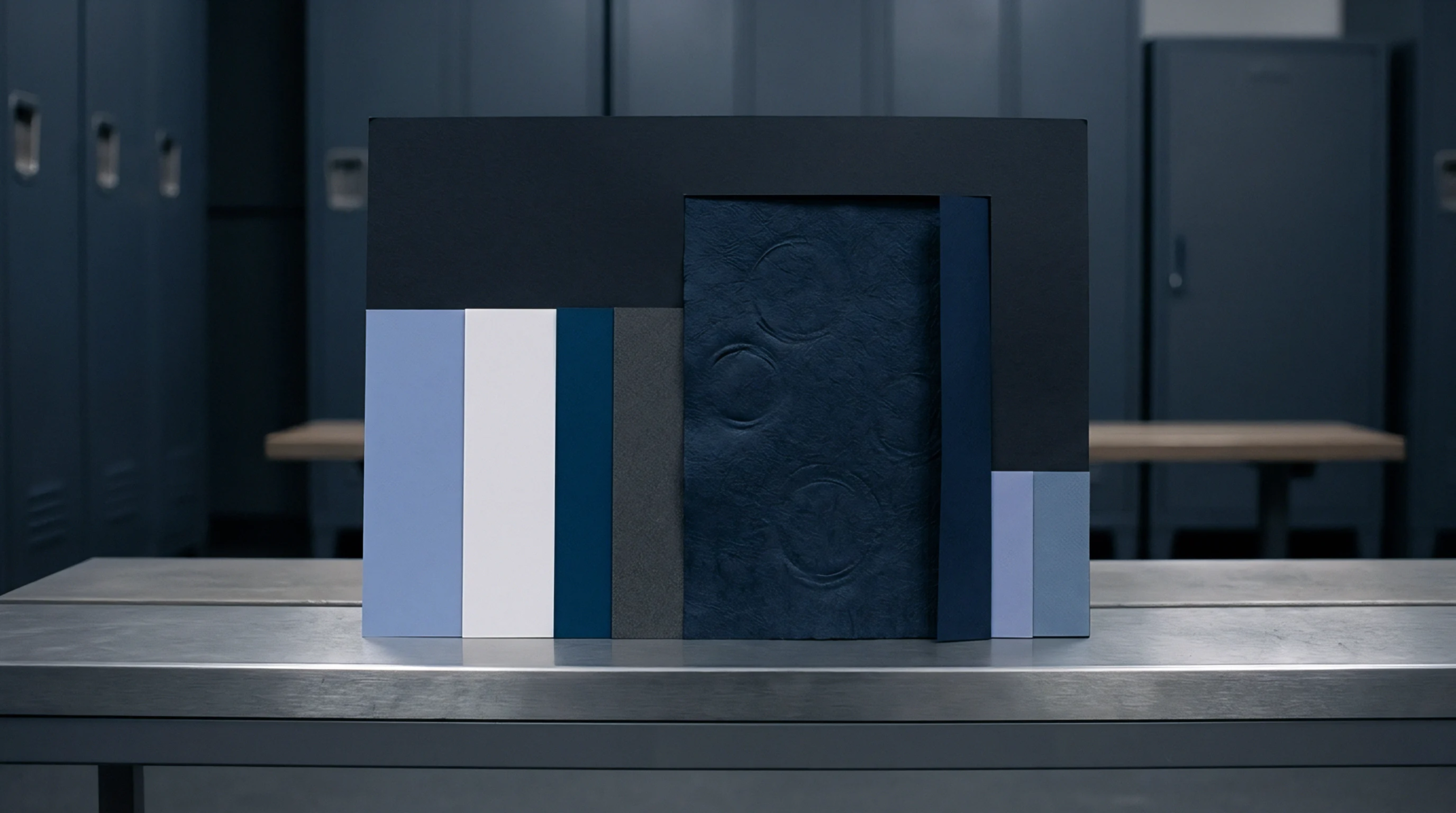
Optimize crease score geometry by matching rule width and counter depth to caliper while sizing channel width to induce core shear delamination without coating cracks.

High-speed cartoning requires specifying dynamic internal bond energy above 110 J/m2 to prevent strain-rate matrix delamination during 15-millisecond tuck folds.
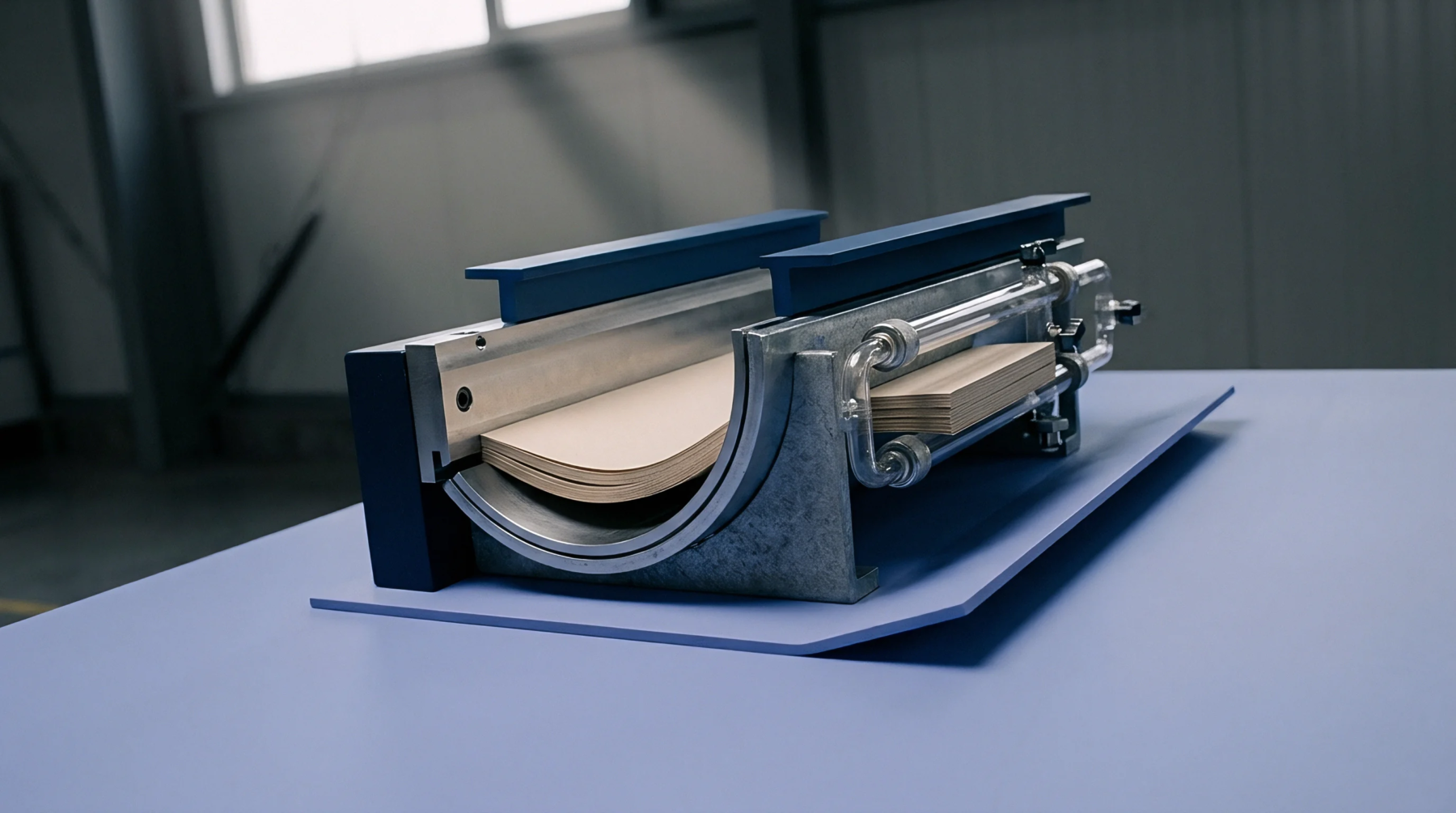
Crease evaluation measures 15-degree sheet stiffness against 90-degree fold resistance, targeting a 30 to 50 percent ratio to prevent cartoning line jams.
Lamination, embossing, foil, varnish. A finish changes more than the surface: it decides recyclability, food contact and unit cost, and every effect adds a production step with a lead time. Specify the look, then audit what it costs the run.


Quantifying acrylate extractables in low migration packaging requires standardized solvent extraction coupled with thermal desorption GC-MS spectral screening.

Quantifying photoinitiator breakdown products demands solvent extraction or headspace GC-MS/MS backed by deuterated standards to verify migration limits.

Residual acrylate monomer testing via static headspace gas chromatography quantifies unreacted species to verify food contact safety compliance.

Polymeric barrier coatings suppress gas phase photoinitiator migration from recycled board when low free volume and tortuous mineral platelets delay permeation.

Low migration UV conversion succeeds by verifying photoinitiator cure through spectrometry, maintaining peak irradiance, and preventing set-off transfer.

Photoinitiator migration limits in food contact print finishes are determined through standardized simulant extractions quantified by GC-MS or LC-MS testing.
Certification is the question a paper buyer pays to have answered. FSC or PEFC, food contact, compostability, PPWR readiness ~ a claim without the certificate is a liability at customs. This is the qualification gate.

Verify ISO/IEC 17025 paperboard scopes and demand EN 16995 LC-GC-FID reports to ensure food contact compliance and prevent border rejections.

Auditing paperboard compliance certificates requires verifying accredited laboratory migration data against regional chemical limits and matching mill batch codes.

Paperboard buyers face border holds when chain of custody credit balances fail plot-level trace rules, requiring precise contract clauses and batch physical evidence.
Paperboard mill certificate scopes govern packaging claims by strictly limiting authorized product groups, fiber credit allocations, and contact testing boundaries.

Validating chain of custody certificates demands cross-checking online registry scopes, product categories, and site schedules against line-item invoice claims.

Specify ambient hydrolytic stability thresholds in supply contracts to shift premature bioplastic degradation liabilities from brand owners to converters.
Expertise is a utility, not a secret. sentiention™ publishes its working knowledge as open reference: intelligence layer covering the materials it sources, the markets it enters, and the reference that serves both.