Molecular Rearrangement
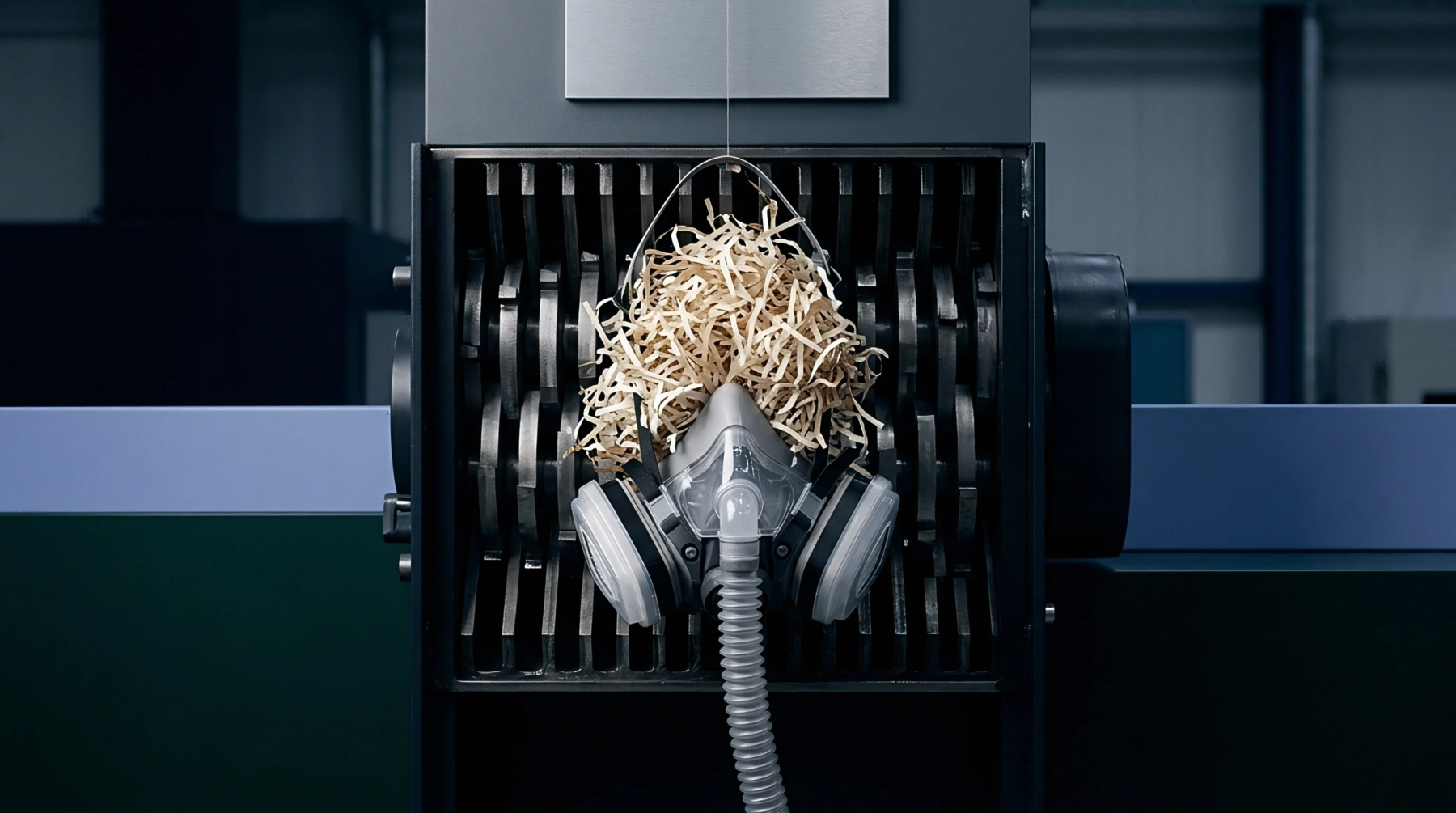
Reorientation of polar functional groups away from the surface and into the bulk of a polymer causes the material to return to its original non-wetting state. This process, known as hydrophobic recovery, is the primary reason why the effects of corona or flame treatment are not permanent. When a surface is activated, the newly created oxygen-rich sites are in a high-energy state.
Thermodynamics drives the polymer to minimize this energy by moving those polar groups into the interior of the material. At the same time, nonpolar segments of the polymer chain move toward the surface. This internal shifting happens without any change to the chemical composition of the plastic, but it significantly alters how liquids interact with the exterior.
Environmental Factor
Rate at which a surface loses its treatment depends heavily on the temperature of the storage area and the type of polymer. During hydrophobic recovery, heat provides the energy needed for the polymer chains to move and rotate more freely. In materials like silicone or soft polyolefins, the chains are very mobile, and the recovery can happen in a matter of hours.
Stiffer polymers with high glass transition temperatures tend to retain their surface treatment for much longer. Moisture can also play a role, as water molecules can interact with the polar groups and influence their movement. In some cases, the presence of additives like slip agents or plasticizers will speed up the loss of surface energy.
These small molecules migrate to the surface and cover the treated sites, acting in tandem with the chain rotation. Converters must be aware of these timelines to ensure that printing or lamination occurs while the dyne level is still high. Cold storage is sometimes used to slow down the molecular movement and preserve the treatment for longer periods.
However, even under ideal conditions, some level of recovery is inevitable for most treated plastics.
Treatment Persistence
Managing the window of opportunity for converting requires a deep understanding of the specific material being used. If hydrophobic recovery progresses too far, the substrate will no longer be compatible with water-based inks or solventless adhesives. This leads to bonding failures that can be difficult to detect until the package is in use.
Many printing plants use a bump treatment just before the ink station to restore the surface energy lost during storage. This secondary treatment is often lighter than the initial one but is enough to bring the dyne level back to the required specification. The recovery process is often observed as a sharp drop in surface tension followed by a slower, more gradual decline.
Testing with contact angle goniometers can show the change in both the polar and dispersive components over time. Most industrial specifications include a minimum dyne level that must be met at the time of converting to account for this decay. Successful production relies on predicting these changes and adjusting the process accordingly.
The final bond strength is determined by the state of the surface at the exact moment the coating is applied.