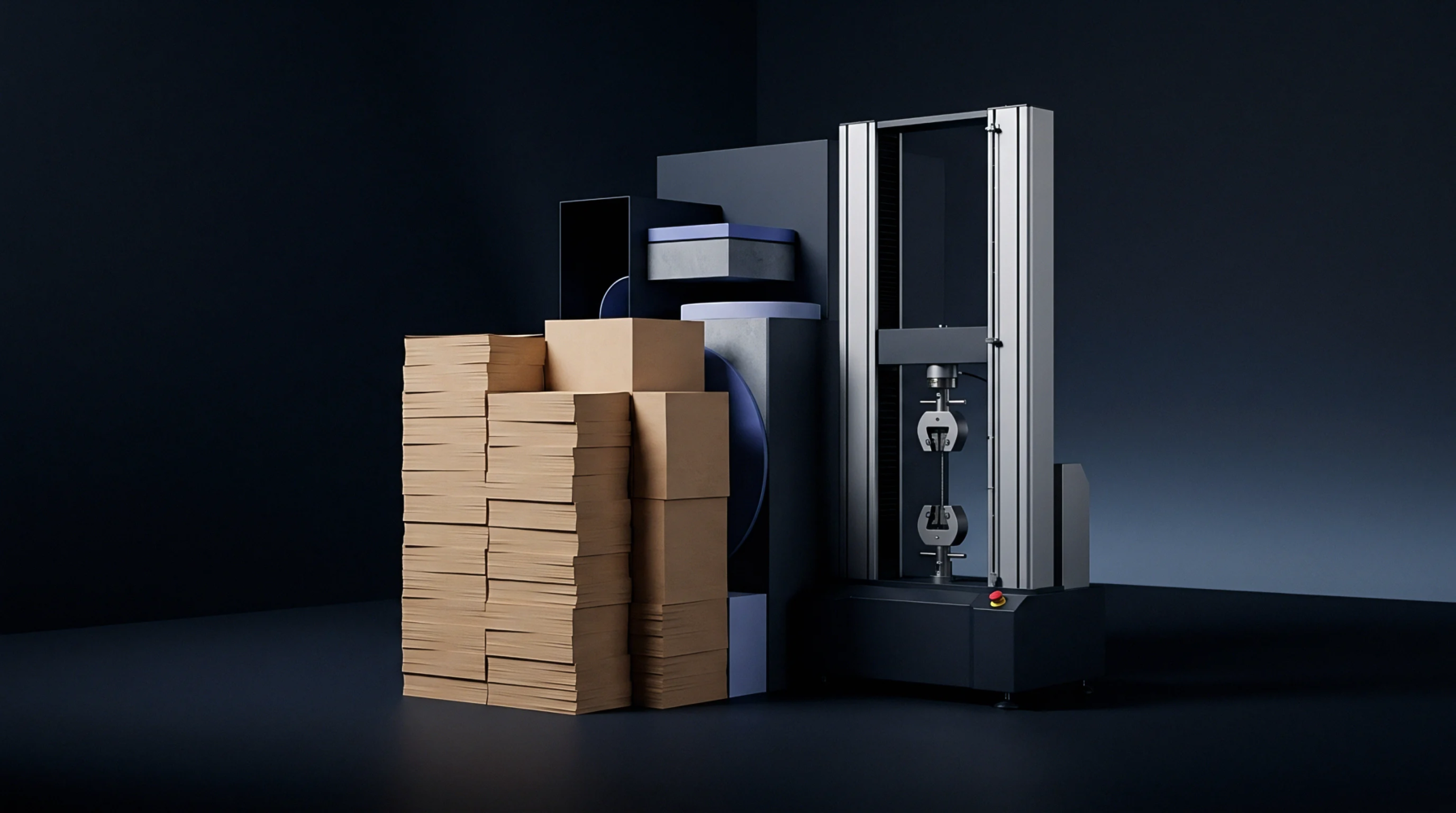
Measurement Tool
Precision instrument designed for the determination of the thickness of a single sheet of paper or board provides data essential for calculating bulk and density. A micrometric caliper operates by applying a known pressure between two parallel circular faces to compress the surface fibers slightly. Specified force, typically fifty kilopascals, ensures that the measurement reflects the structural thickness rather than just the highest points of the surface texture.
The resulting figure is expressed in microns or points depending on the regional standard in use.
Digital or Analog
Digital or analog displays provide a readout that allows operators to verify if a production batch meets the tolerances specified in the purchase order. The device must be calibrated regularly against gauge blocks of certified thickness to maintain accuracy within the tight margins required for high-speed folding cartons. Variations in thickness across the web can lead to uneven winding of reels or feeding issues on the printing press.
Because paper is a compressible material, the speed at which the measuring faces close and the duration of the pressure application are strictly controlled by the instrument mechanics. Sophisticated models include data logging capabilities to track thickness trends across several hours of machine operation.
Accurate Thickness Data
Accurate thickness data is necessary for setting the gap on die-cutting equipment and the depth of creases. If the caliper deviates from the design specification, the carton may not fit the filling machine mandrels correctly. Consistent thickness ensures the mechanical integrity of the final package.