
Headspace Gas Chromatography Analysis of Unreacted Acrylate Monomers
Residual acrylate monomer testing via static headspace gas chromatography quantifies unreacted species to verify food contact safety compliance.
Residual acrylate monomer testing via static headspace gas chromatography quantifies unreacted species to verify food contact safety compliance.

Polymeric barrier coatings suppress gas phase photoinitiator migration from recycled board when low free volume and tortuous mineral platelets delay permeation.

Low migration UV conversion succeeds by verifying photoinitiator cure through spectrometry, maintaining peak irradiance, and preventing set-off transfer.

Photoinitiator migration limits in food contact print finishes are determined through standardized simulant extractions quantified by GC-MS or LC-MS testing.
Boundary lubricant depletion during high-speed packaging stems from mechanical wiping exceeding diffusion replenishment, demanding non-migratory slip selection.
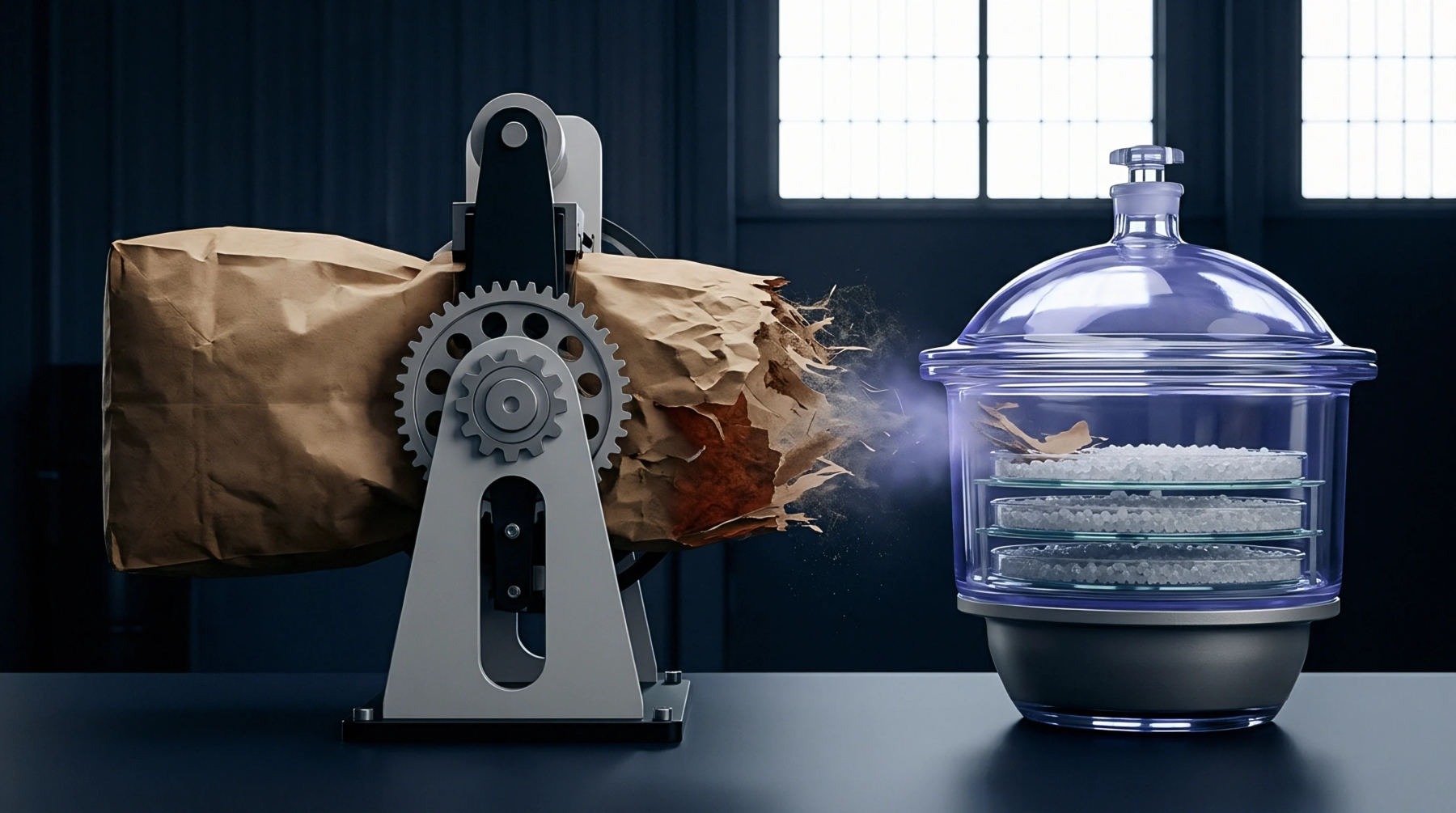
Recycled paperboard chemical compliance demands specific migration testing via Tenax and LC-GC-FID to quantify MOSH MOAH transfer before signing declarations.

Quantitation of hydroxycyclohexyl phenyl ketone breakdown products requires HS-GC-MS targeting cyclohexanone below 0.01 mg/kg to prevent set-off food contact breaches.
Recycled paperboard specific migration testing demands solid simulant Tenax or validated substitute media to prevent fiber breakdown and false analytical results.
Accelerated static laboratory migration data underestimates dynamic food contact mass transfer on high-speed filling lines unless corrected for strain cracking and fluid shear.

Chromatographic identification couples GC-MS and LC-HRMS screening with Cramer classification to clear unidentified non intentionally added substances below 0.01 mg/kg.

Creasing modified latex barriers creates micro-fissures that accelerate migrant diffusion, requiring strain-matched polymer selection and standardized cell testing.
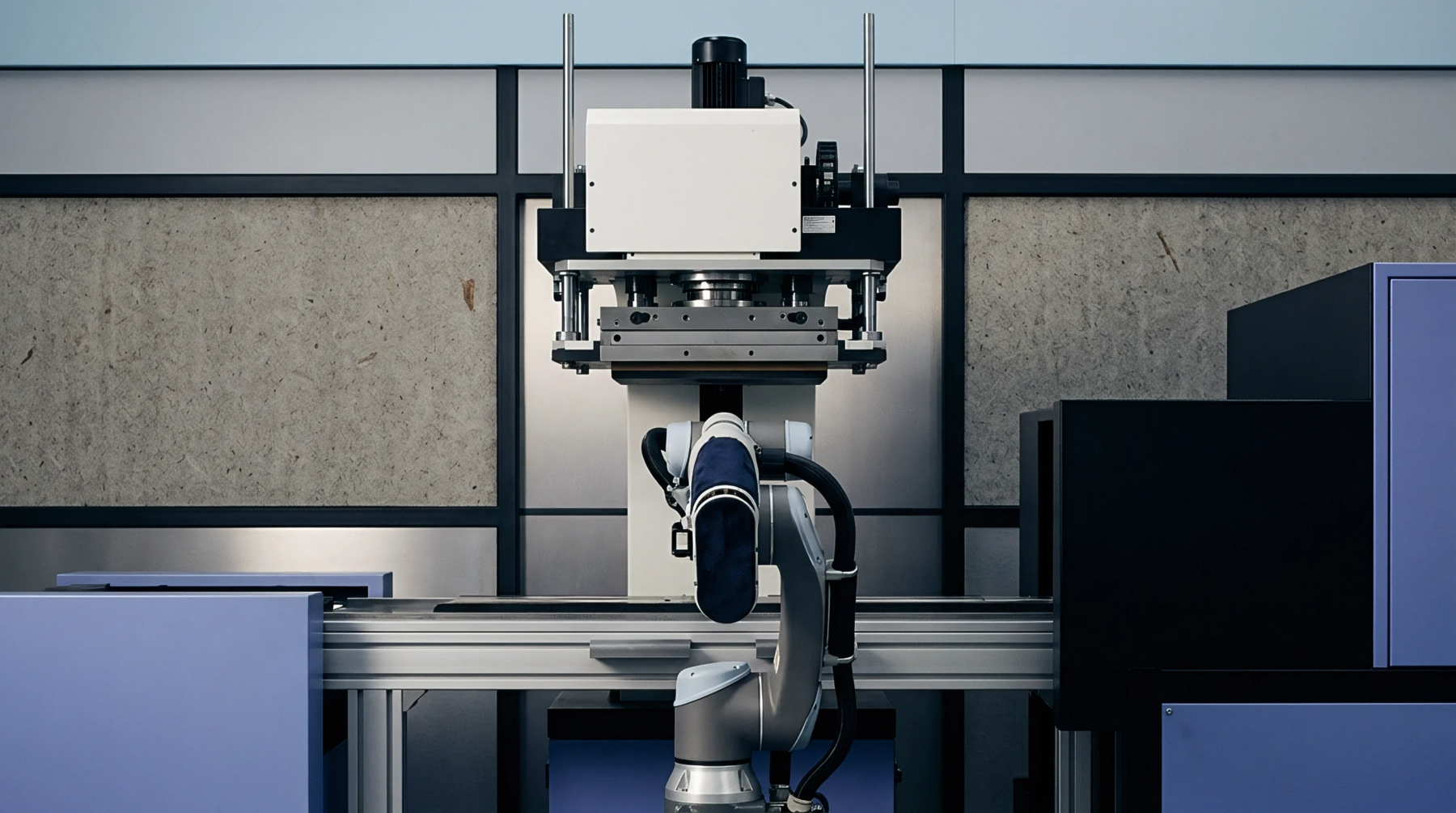
Line temperature spikes and fluid shear accelerate migrant transfer beyond static test limits, requiring exact profile validation in compliance files.

Poly(2,6-diphenyl-p-phenylene oxide) replaces liquid simulants for paperboard, preventing fiber collapse during compliance migration testing.

Mathematical diffusion models quantify NIAS transfer through polyolefins, enabling rapid, low-cost compliance validation for flexographic food packaging.
Expertise is a utility, not a secret. sentiention™ publishes its working knowledge as open reference: intelligence layer covering the materials it sources, the markets it enters, and the reference that serves both.