Structural Disruption
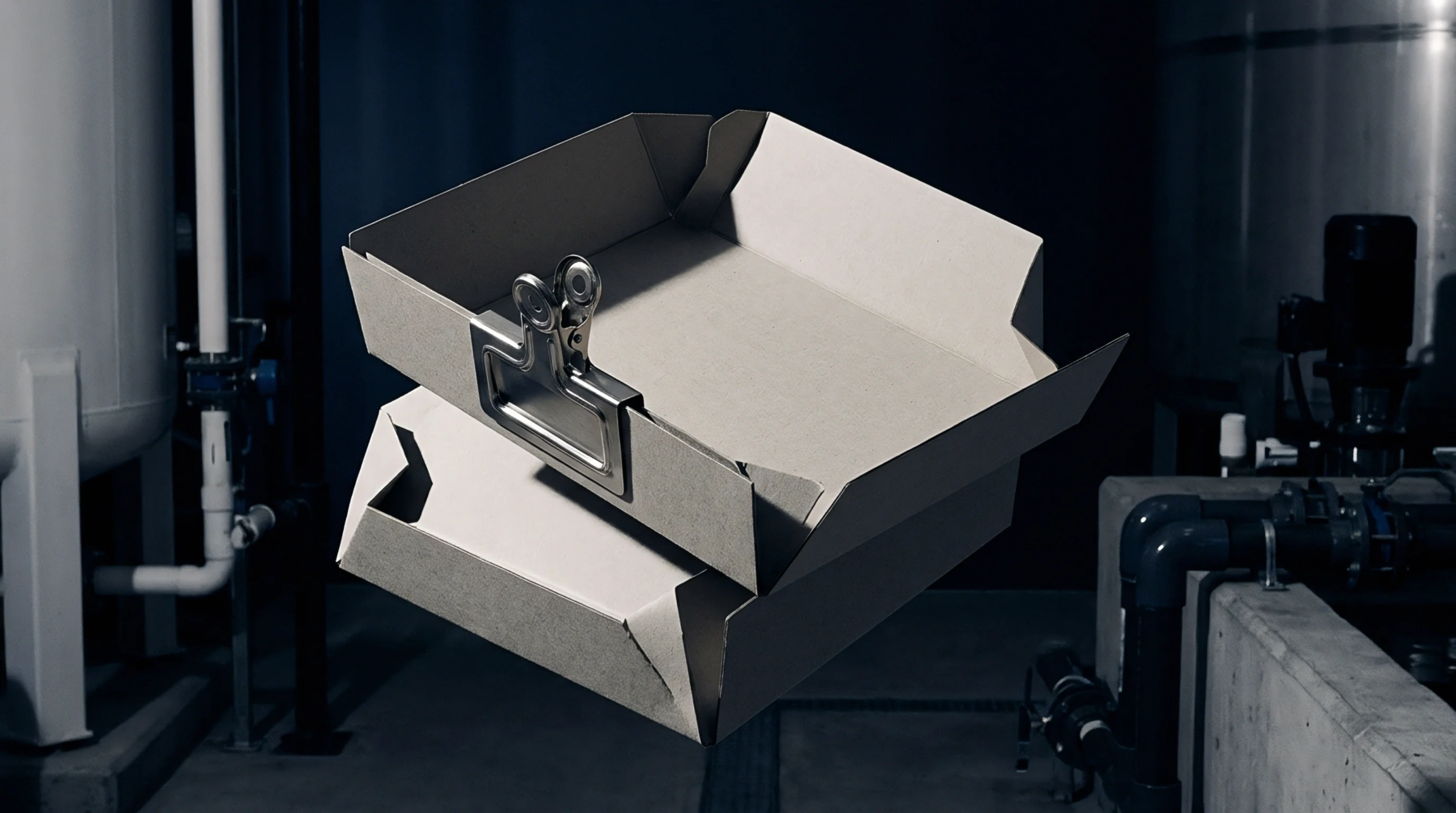
Layer separation occurs when the internal cohesive forces within a multi-ply board fail to resist external stress. Any delamination typically starts at the center of the sheet where the density of long fibers is often lowest. This failure compromises the rigidity of the carton and makes it susceptible to collapse during high speed stacking operations.
Force Interaction
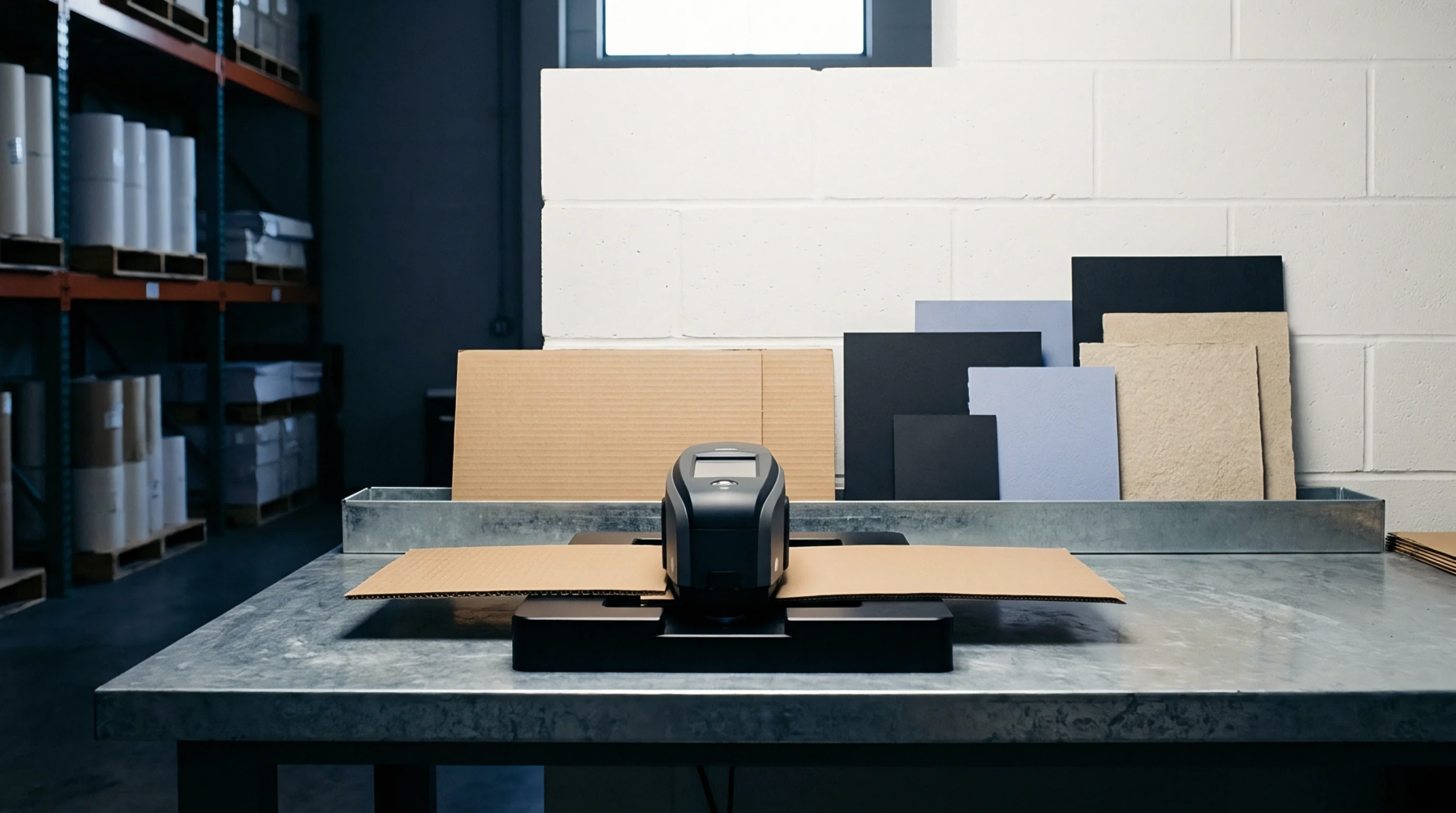
Z-direction tensile tests measure the resistance of the internal fiber bonds to direct pulling forces. When the ink tack in an offset printing press exerts a force greater than the internal bond strength, delamination pulls the top ply away from the core. This event ruins the visual quality and introduces paper fragments into the ink rollers.
Moisture levels also play a role, as high water content weakens the secondary bonds between the pulp layers.
Inspection Point
Visual assessment of trimmed edges reveals if the sheets were correctly fused during the forming stage. Persistent delamination often indicates issues with the starch application or insufficient pressure in the couch rolls. Monitoring these bonds ensures that shipping cases remain intact through the humid environments common in global logistics.
A board with consistent internal integrity maintains its shape even when under heavy compression at the bottom of a pallet.