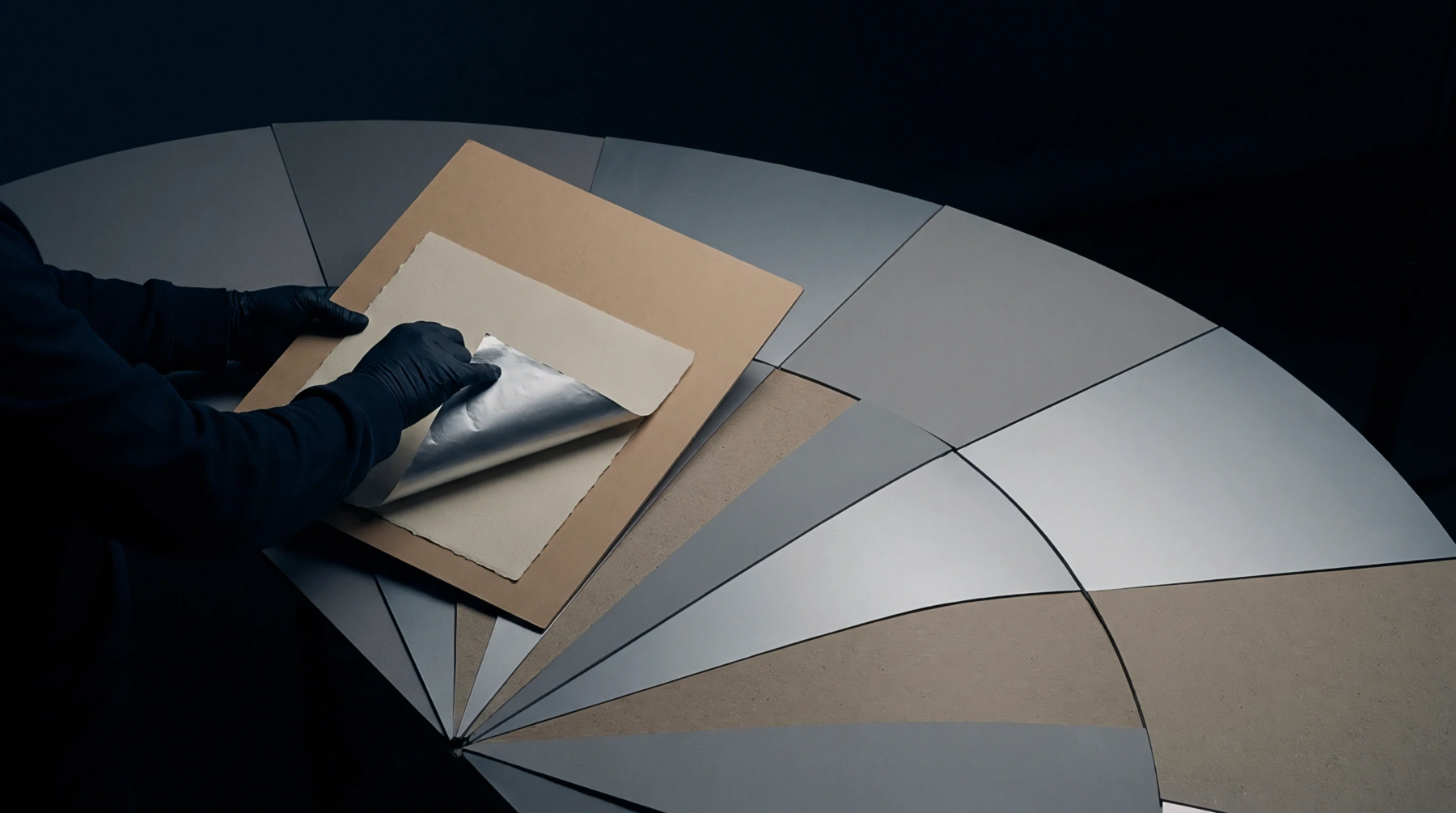
Evaluating Polyurethane Surface Energy Loss in Thermal Lamination
Polyurethane surface energy decays through soft-segment rotation, demanding secondary pass execution within seventy-two hours or inline re-activation.
Polyurethane surface energy decays through soft-segment rotation, demanding secondary pass execution within seventy-two hours or inline re-activation.
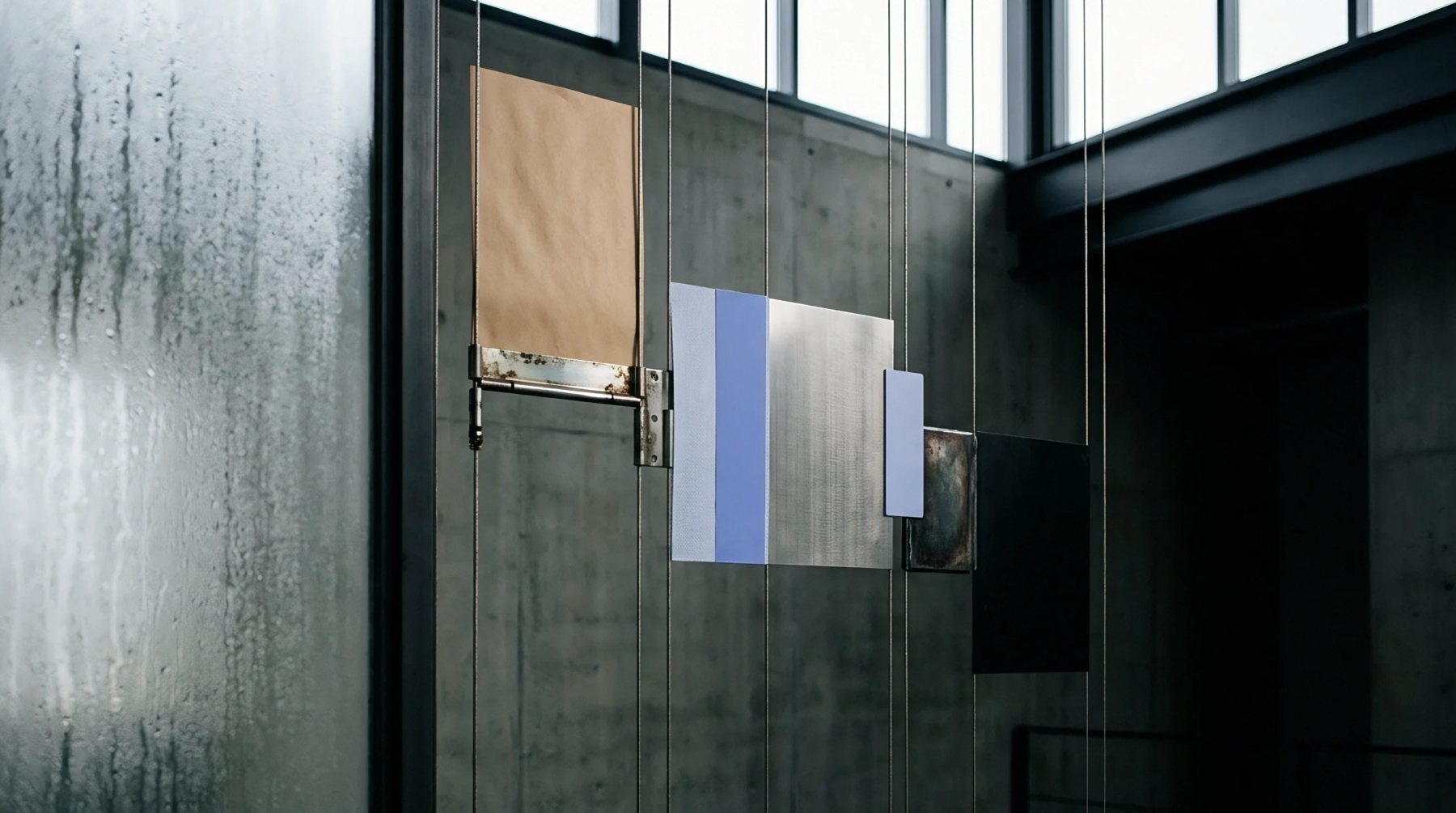
Friction cycles mechanically strip oxidized surface layers and accelerate polar group reorientation, causing rapid dyne loss across polyolefin films.

Sessile contact angle goniometry isolates polar and dispersive surface energy to verify polyolefin corona treatment and prevent lamination delamination.

Foil adhesion succeeds when polymer film surface energy exceeds forty-two dynes per centimeter and sizing chemistry matches the polar surface component.

Friction sled cycles strip migratory slip agents, elevating polar surface energy while generating micro-roughness that causes severe specular gloss drift.

Thermodynamic wetting in polyolefin lamination demands substrate polar surface energy above 6.0 mN/m to achieve complete adhesive spreading and bond durability.
Expertise is a utility, not a secret. sentiention™ publishes its working knowledge as open reference: intelligence layer covering the materials it sources, the markets it enters, and the reference that serves both.