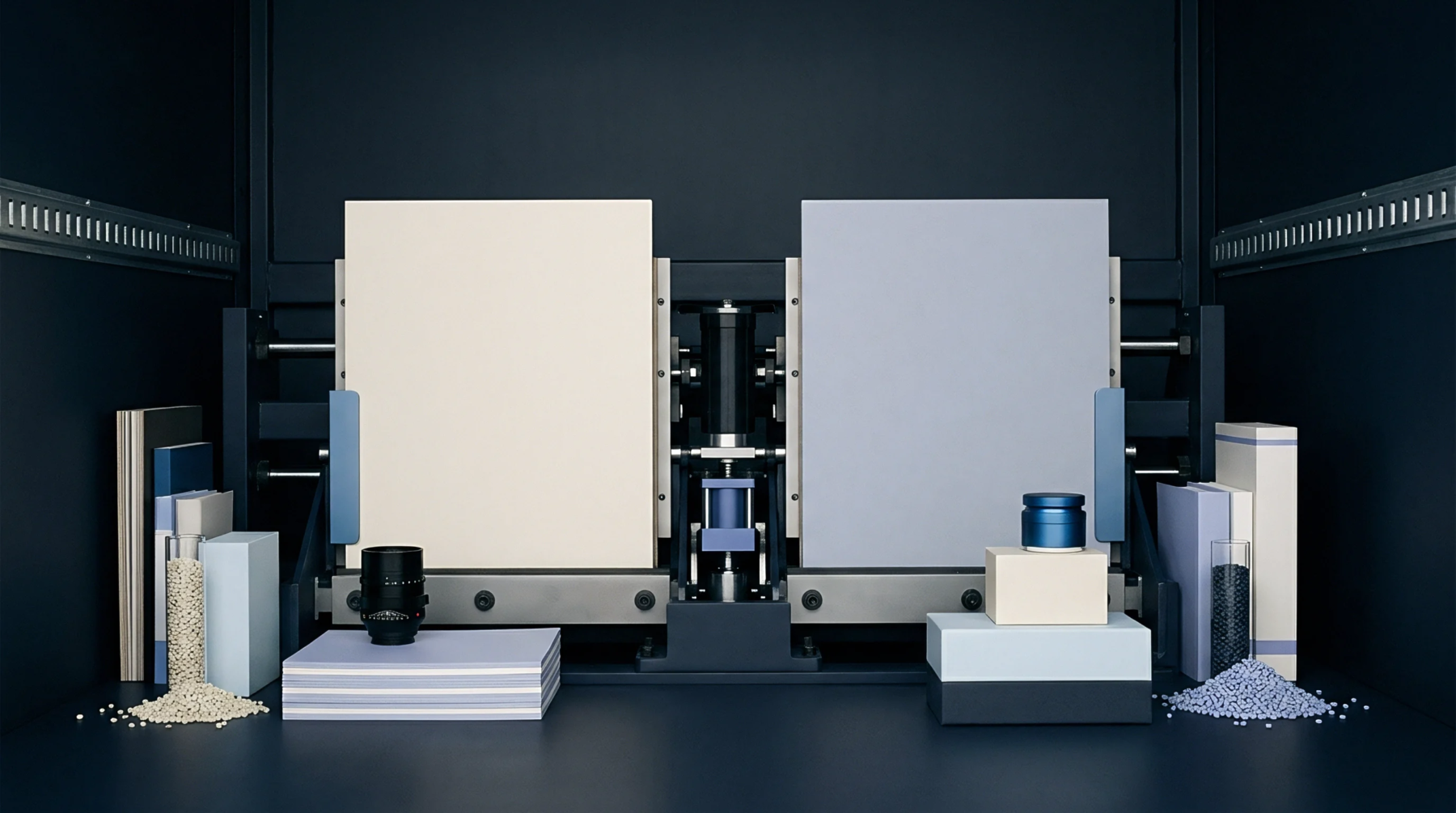
Recycled Fiber Furnish Topography Influence on Polymer Barrier Continuity
Recycled fiber surface peaks exceed thin polymer melt curtains, creating pinholes that require pre-coating or heavier resin laydown for barrier continuity.
Recycled fiber surface peaks exceed thin polymer melt curtains, creating pinholes that require pre-coating or heavier resin laydown for barrier continuity.

Optical specular light scattering drops as varnish micro-roughness exceeds wavelength dimensions, requiring precise rheological control and coat weight to maintain target gloss.

Interfibrillar swelling in recycled board plies generates interface shear stresses that fracture coatings and degrade stacking strength under cyclic humidity.
Dynamic relative humidity cycling accelerates compressive creep strain and drives interlaminar delamination kinetics in recycled board packaging stacks.

Recycled fiber laminates experience accelerated creep under transient vapor flux, requiring increased structural safety factors in humid supply chains.

Waterborne dispersion application on folding boxboard requires precise coat weight control, shear-matched viscosity, and staged drying to prevent pinholing.
Polyolefin amide slip additives migrate to liquid adhesive interfaces under heat, requiring isocyanate excess and stack cooling to stop weak boundary failure.

Breaker bar geometry and reverse fluid dampening control film lamination curl by balancing plastic yield strain and z-direction substrate moisture gradients.

Statistical lot verification protects packaging buyers by tying standardized sample testing directly to batch acceptance quality limits and contract settlement terms.
Automated API ledgers substantiating explicit claims via cryptographically signed JSON-LD payloads protect packaging buyers from fines under EU Green Claims Directives.

Mechano-sorptive creep acceleration reduces multi-wall box top-to-bottom compression life through transient moisture flux, demanding dynamic safety derating.
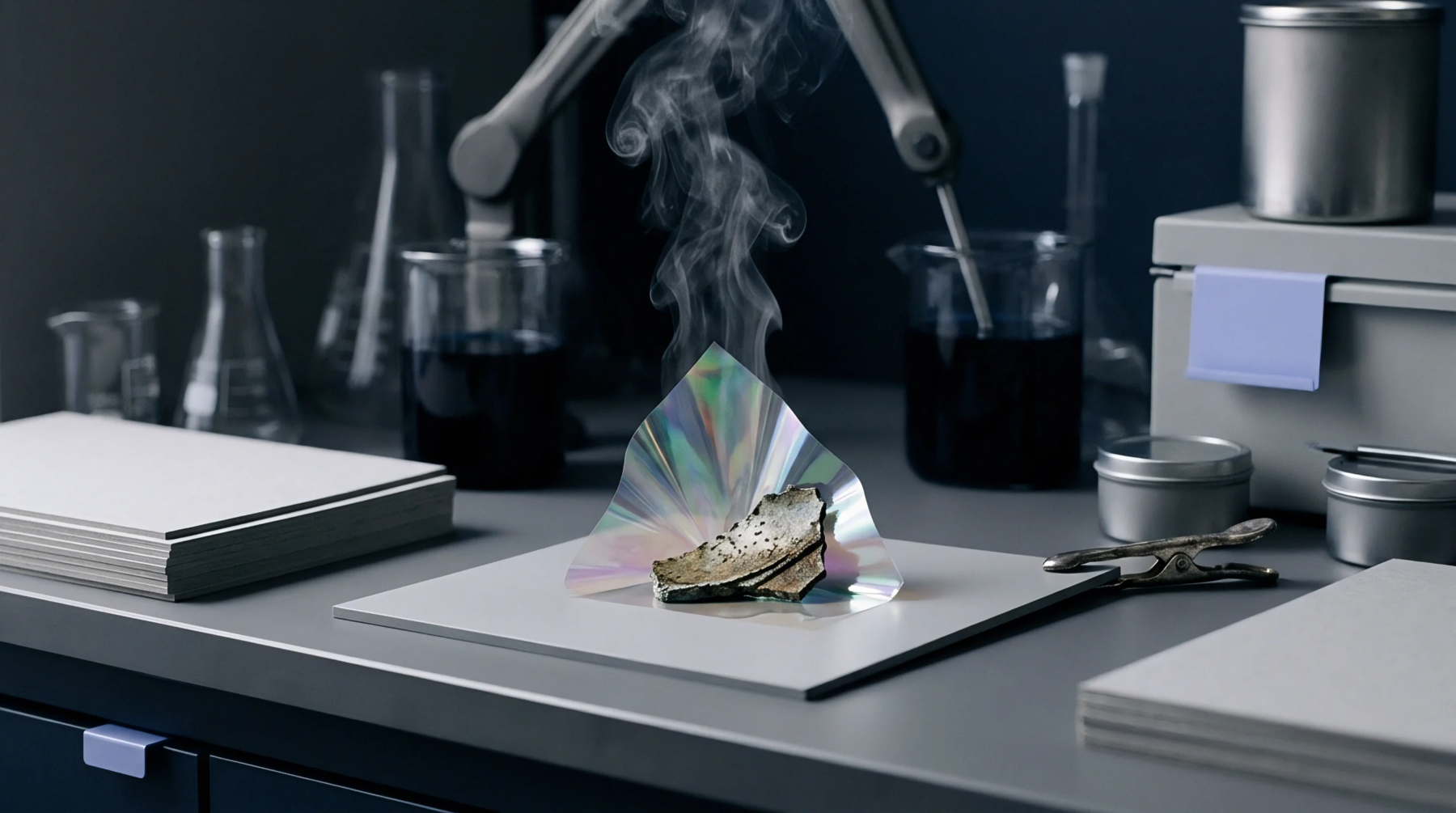
High speed thermal lamination induces transient Z-axis thermal and moisture gradients that interact with substrate fiber anisotropy, creating post-pass curl and delamination requiring active pre-heating and chill roll management.
High frequency ultrasonic attenuation profiling non-destructively maps internal ply delamination and polymer barrier continuity during cartonboard creasing passes.
Importers avoid packaging claim penalties by mandating batch-specific laboratory test reports and contractual indemnities prior to customs border entry.

Sutherland rub sled pressure elevates specular gloss by shearing coating asperities into smooth optical planes, requiring hard crosslinked resins to limit delta gloss spikes.
Expertise is a utility, not a secret. sentiention™ publishes its working knowledge as open reference: intelligence layer covering the materials it sources, the markets it enters, and the reference that serves both.