Recycled Origin
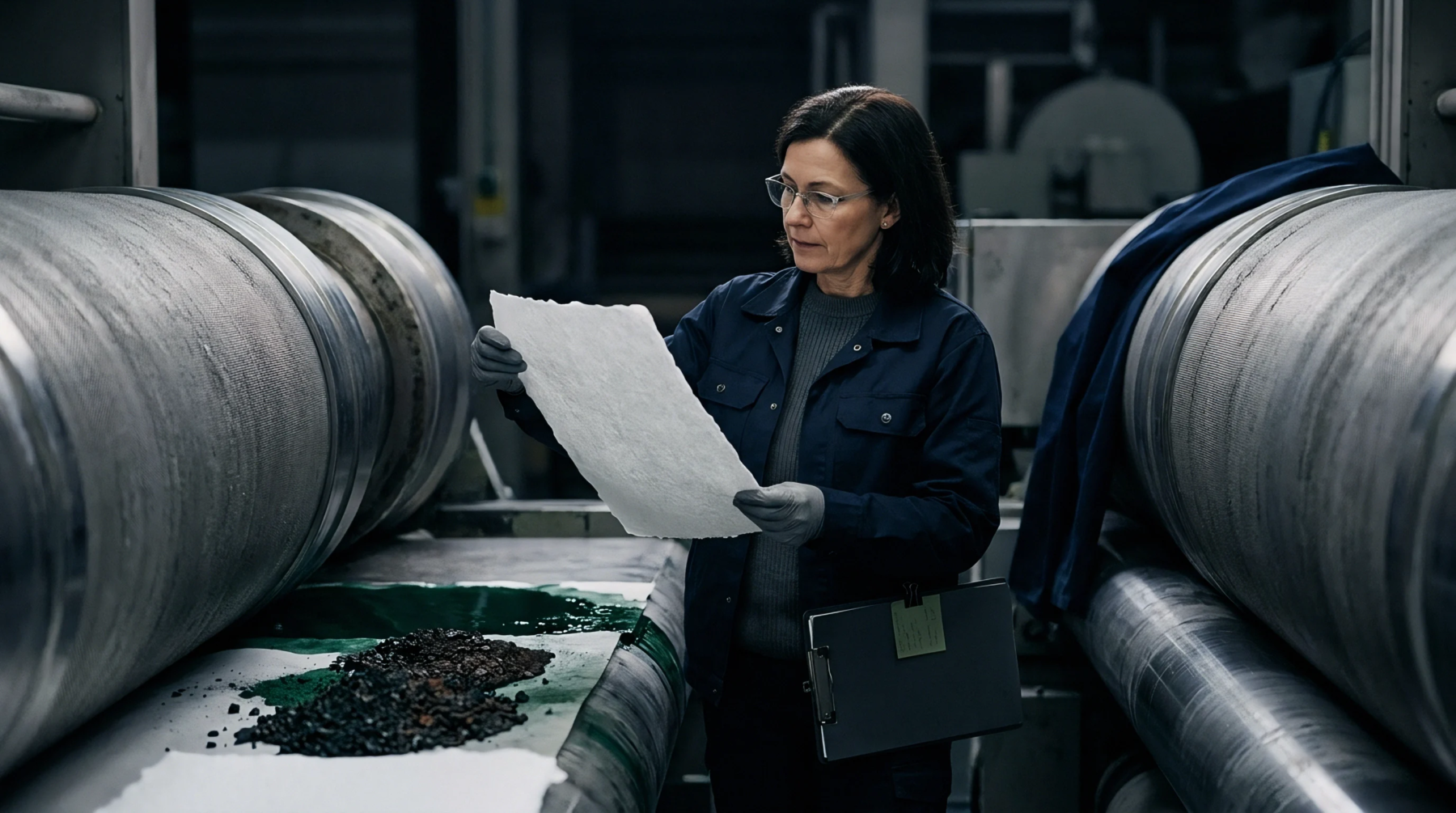
Recycled papermaking fibers derived from post-consumer recovered packaging cartons or post-industrial paper converting waste supply sustainable raw material for boxboard production. Paper industry terminology defines secondary fiber as cellulose pulp recovered from previously manufactured paper or paperboard products. Repulping operations mechanically defiber recovered paper in water to liberate cellulose strands for sheet formation.
Using recovered fiber reduces demand for virgin wood pulp in recycled board grades.
Fiber Morphology
Mechanical recycling subjects cellulose fibers to repeated wetting, pressing and thermal drying cycles. Processing secondary fiber causes irreversible lumen collapse and loss of swelling capacity, a phenomenon called hornification. Recycled fibers exhibit lower inter-fiber bonding potential and shorter average fiber length than virgin kraft pulps.
Paperboard mills blend secondary pulp with virgin softwood kraft to maintain target burst strength and stiffness in folding cartons. Contaminants such as residual inks and stickies must be removed through flotation and screening prior to sheet forming.
Structural Capability
Boxboard plies made from recovered pulps provide bulk and stiffness at lower raw material costs. Multiple repulping cycles degrade individual fiber strength until short fines dominate the stock. Excessive fines content reduces drainage rate on Fourdrinier forming wires and press sections and lowers board tear strength.