
Determining Photoinitiator Migration Limits in Food Contact Print Finishes
Photoinitiator migration limits in food contact print finishes are determined through standardized simulant extractions quantified by GC-MS or LC-MS testing.
Photoinitiator migration limits in food contact print finishes are determined through standardized simulant extractions quantified by GC-MS or LC-MS testing.
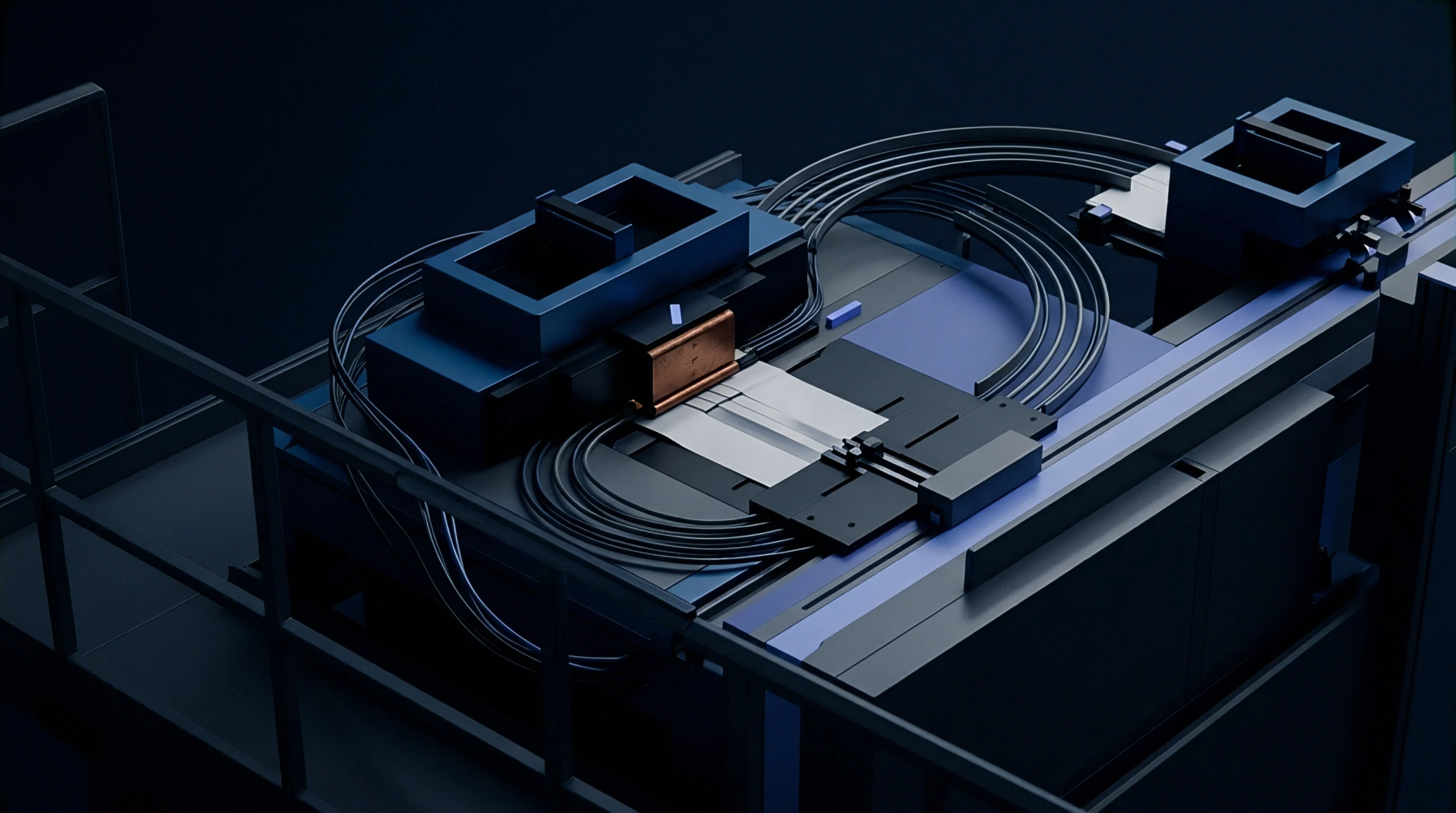
Boundary lubricant depletion during high-speed packaging stems from mechanical wiping exceeding diffusion replenishment, demanding non-migratory slip selection.

Optical specular light scattering drops as varnish micro-roughness exceeds wavelength dimensions, requiring precise rheological control and coat weight to maintain target gloss.
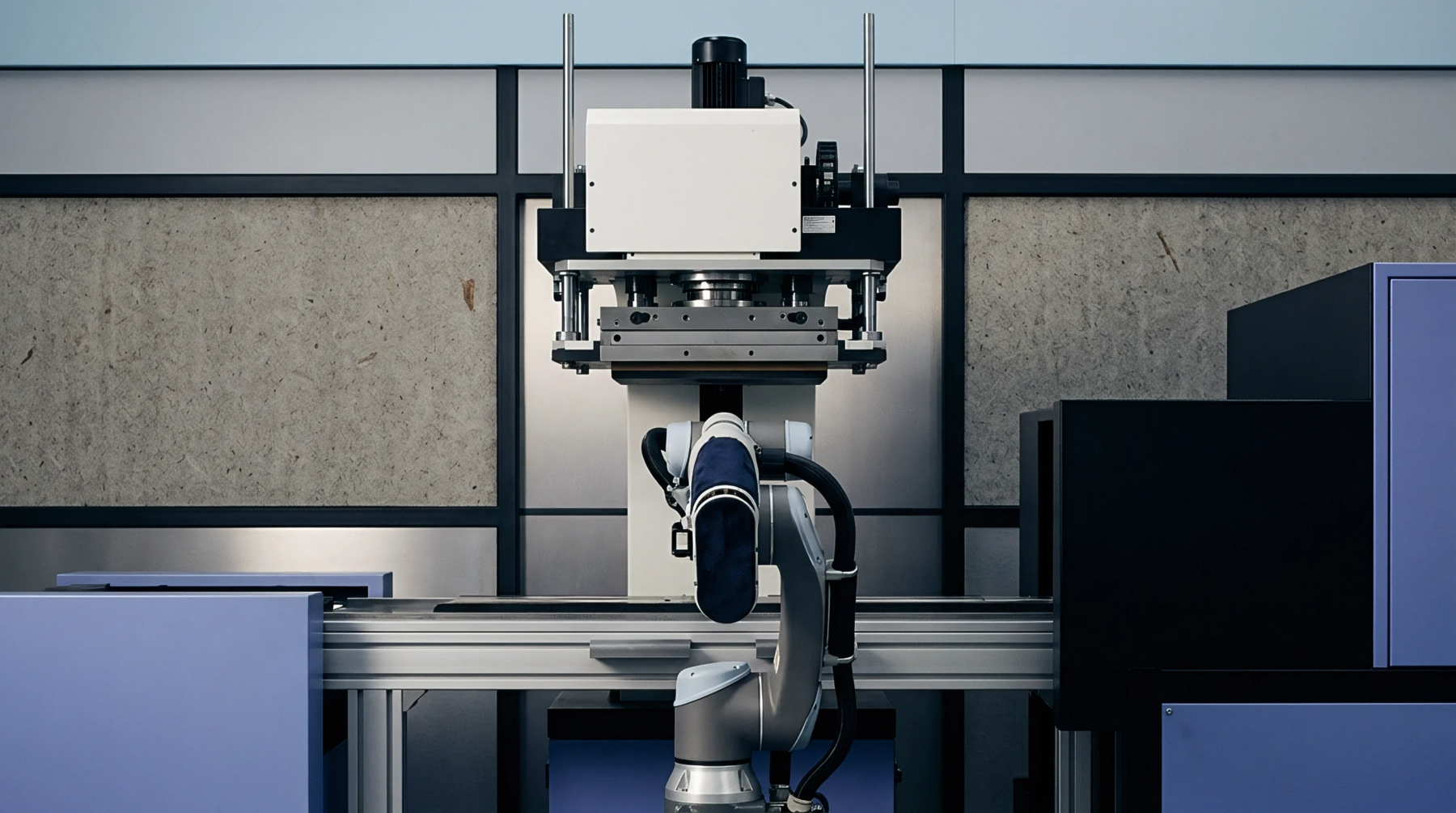
Line temperature spikes and fluid shear accelerate migrant transfer beyond static test limits, requiring exact profile validation in compliance files.
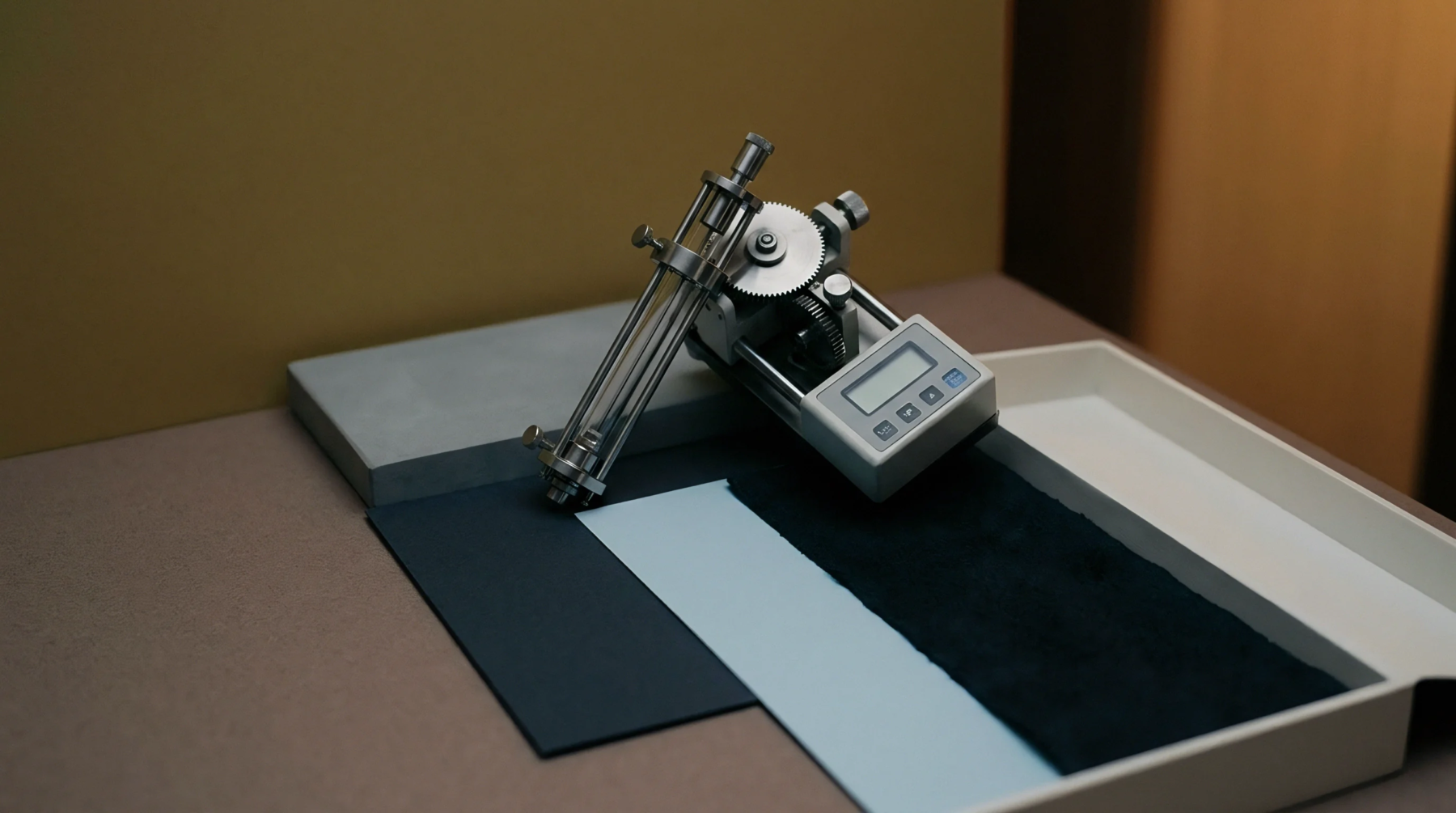
Exceeding polymer viscoelastic shear thresholds under high nip pressure causes molecular chain scission, reducing adhesion and triggering score cracking.

Quantifying residual acrylate monomers by gas chromatography requires solvent extraction and headspace screening to verify compliance with food migration limits.

Photoinitiator migration limits demand complete photopolymer conversion or functional containment to keep extractable residues below 10 parts per billion.
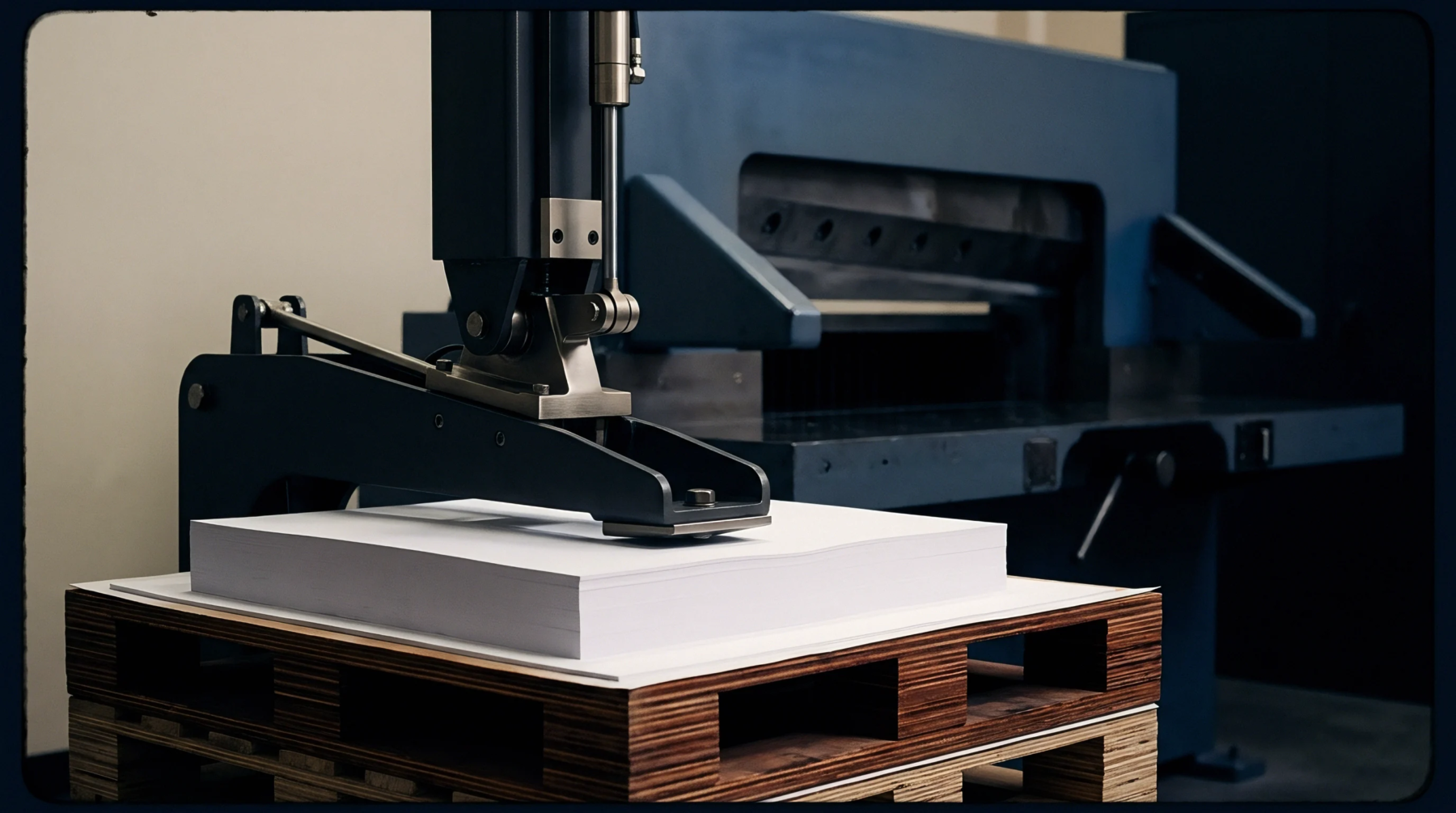
Verify mill test certificates against ISO 2859 sampling on arrival; static swatches omit deckle variance, transit moisture creep, and food migration risks.
Expertise is a utility, not a secret. sentiention™ publishes its working knowledge as open reference: intelligence layer covering the materials it sources, the markets it enters, and the reference that serves both.