
Constitutive Shear Strain Localization and Interface Debonding in Multilayer Polymer Creases
Shear strain localization in multilayer polymer creases drives interfacial debonding, manageable through optimized matrix clearance and tie-layer adhesion.
Shear strain localization in multilayer polymer creases drives interfacial debonding, manageable through optimized matrix clearance and tie-layer adhesion.
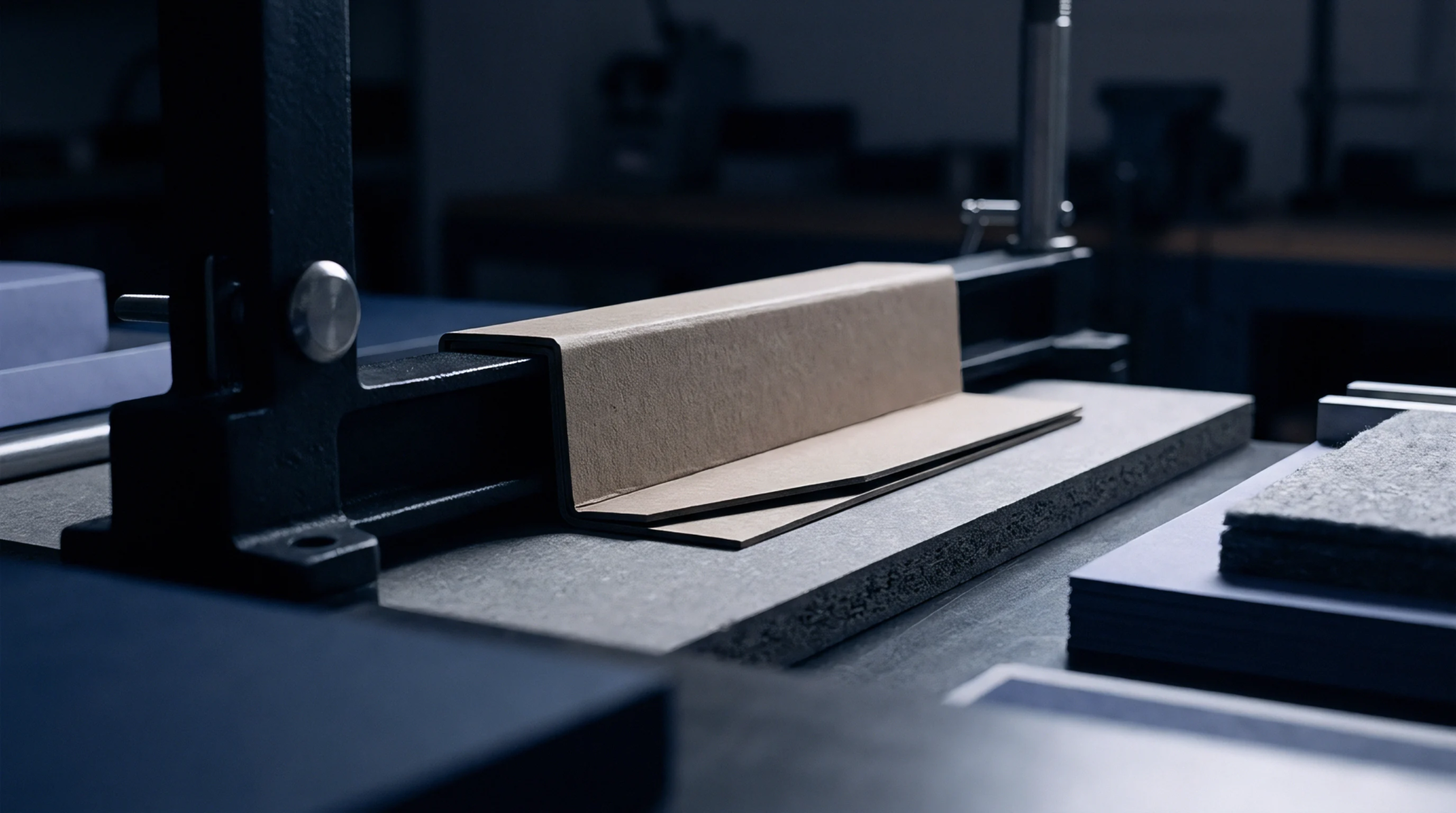
Extrusion and dispersion coating elongation limits require matching tool tip geometry and board moisture to prevent outer-fiber micro-cracking under scoring press kinematics.

Optimize counter-matrix width and rule penetration depth to induce internal core ply delamination while protecting outer extrusion barrier films from shearing.

Modifying creasing matrix channel width and male rule tip radius prevents polymer film elongation cracking and maintains gas barrier integrity across folded scores.
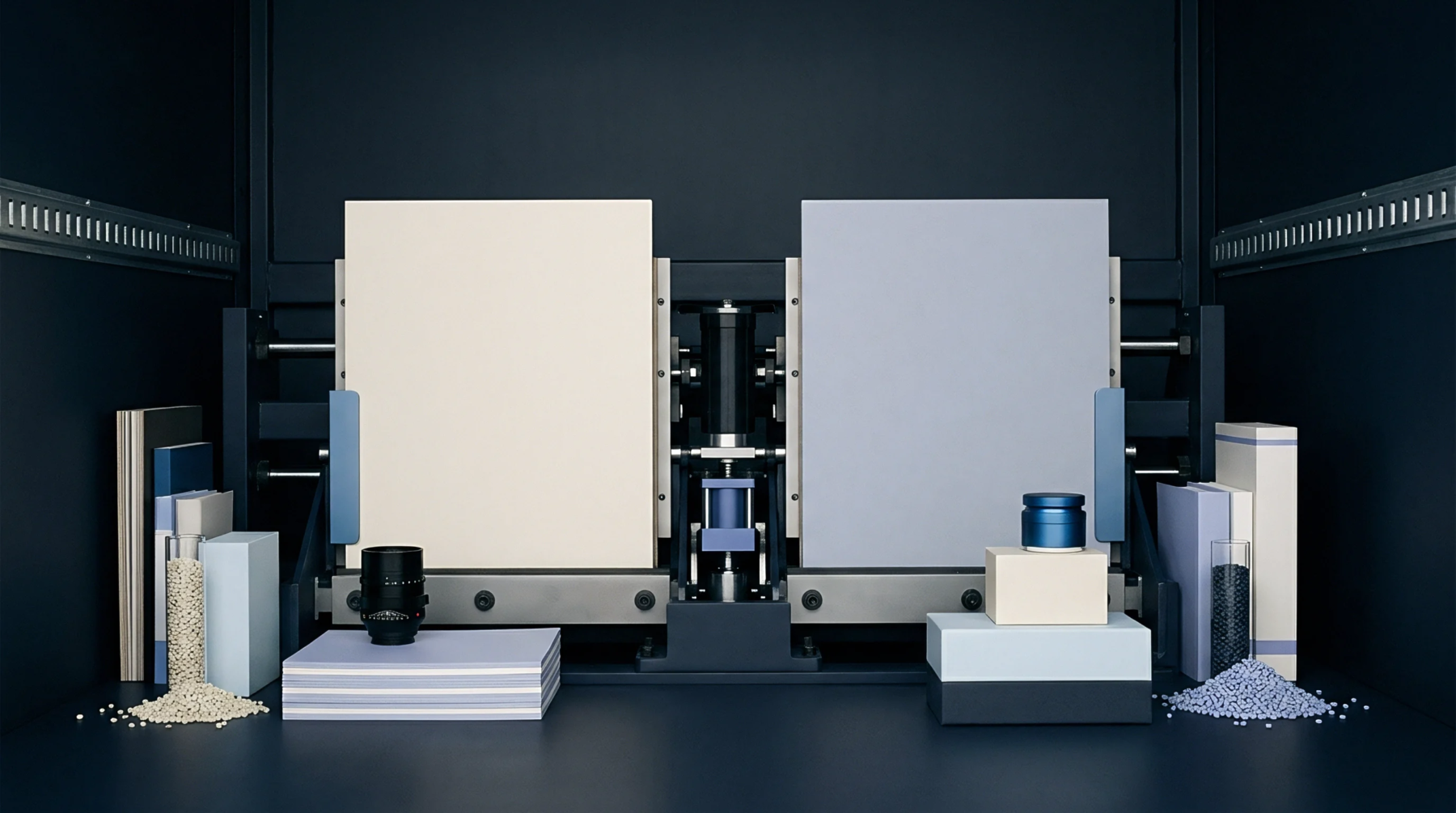
Recycled fiber surface peaks exceed thin polymer melt curtains, creating pinholes that require pre-coating or heavier resin laydown for barrier continuity.
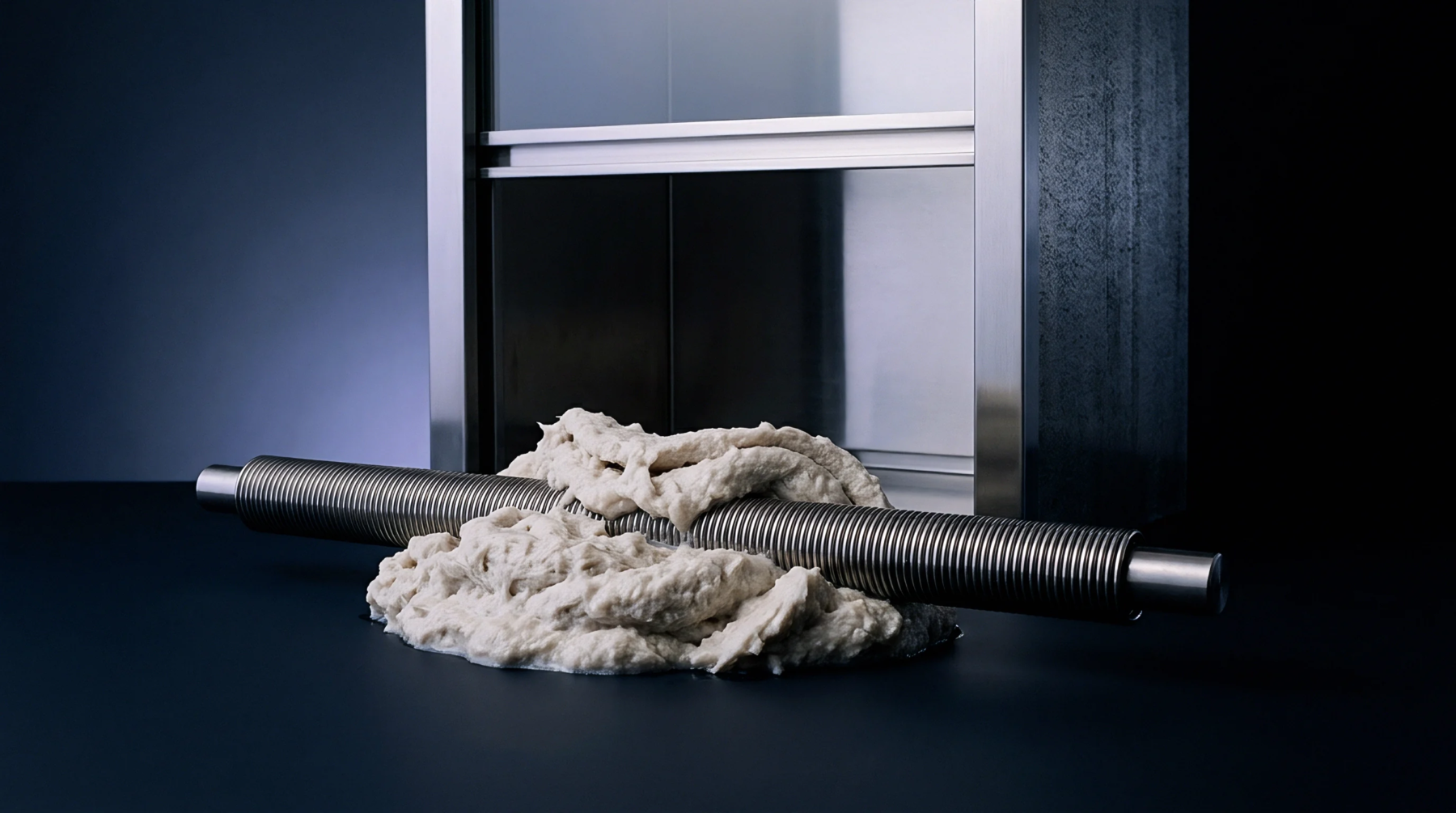
Physical marker yield tolerances reconcile reactor degradation and web conversion losses with certified mass balance ledgers to defend packaging claims.

Interfacial fracture toughness in laminated paperboard depends on substrate z-direction fiber strength, controlled corona energy, and scoreline strain management.

Interfacial shear strain from thermal mismatch drives delamination; controlling cooling gradients and dyne levels prevents bond failure at crease lines.

Verify polymer barrier paperboard through creased Cobb testing, migration simulant suites, Cepi repulpability yields, and lot-matched Declarations of Compliance.
Exceeding polymer viscoelastic shear thresholds under high nip pressure causes molecular chain scission, reducing adhesion and triggering score cracking.

Pyrolysis cracker marker loss creates a mathematical discrepancy between certified credit ledgers and physical packaging test signals.
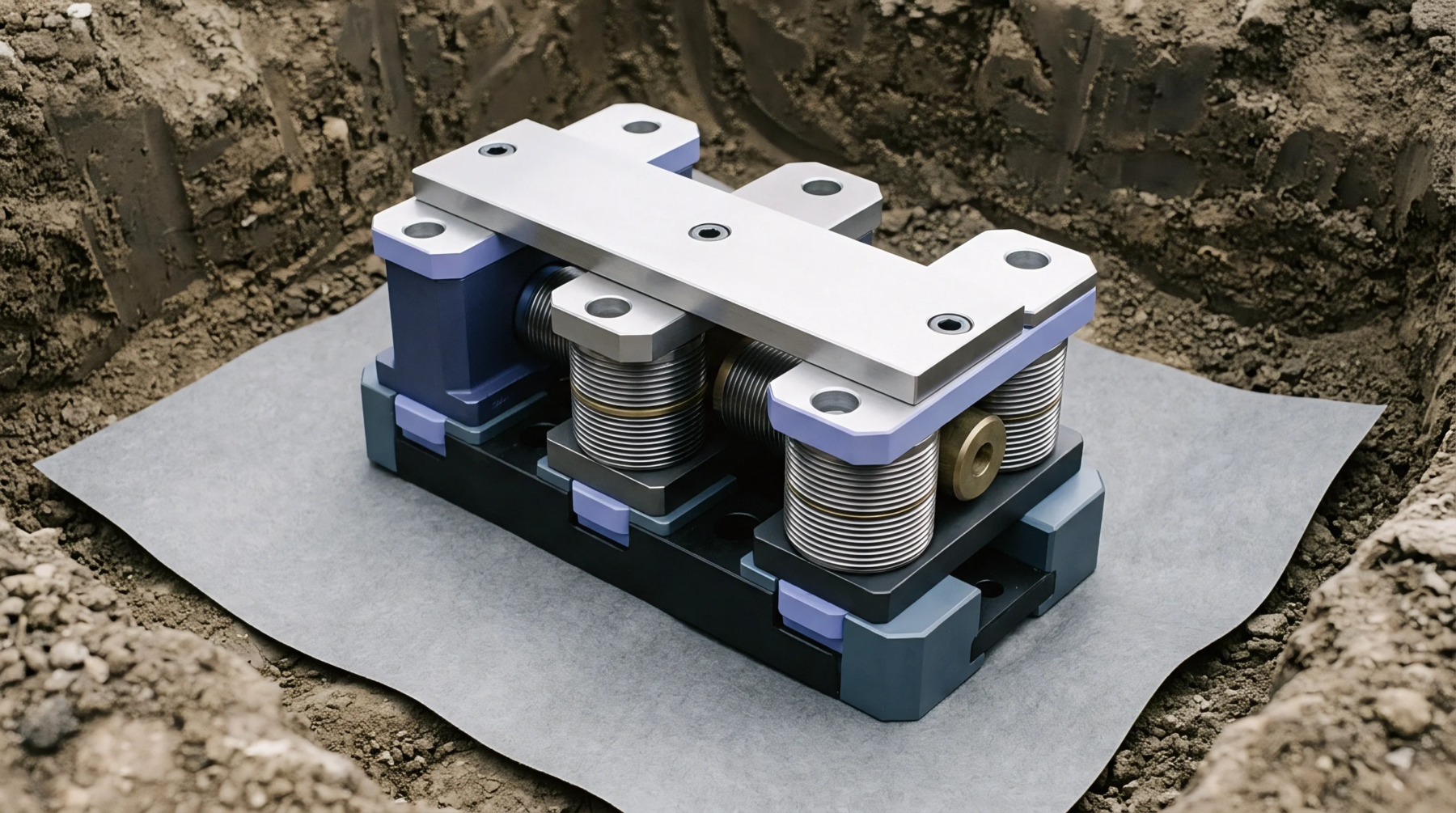
Mitigate polymer swap risks by pairing ATR-FTIR incoming resin screening with enforceable supplier contracts capping liability to full downstream food loss.
High strain shear during boxboard creasing causes polymer film micro fractures when local elongation exceeds film yield capacity along the outer bend radius.
Expertise is a utility, not a secret. sentiention™ publishes its working knowledge as open reference: intelligence layer covering the materials it sources, the markets it enters, and the reference that serves both.