Optical Penetration Depth Correction Mechanics in Continuous Board Web Profilometry
Optical penetration depth correction in continuous board web profilometry mathematically compensates for subsurface scattering to ensure true mechanical caliper.
Optical penetration depth correction in continuous board web profilometry mathematically compensates for subsurface scattering to ensure true mechanical caliper.
Subsurface light penetration introduces up to 25 micrometers of optical drift in laser triangulation, requiring cross-polarization and grade-specific ISO 534 calibration.
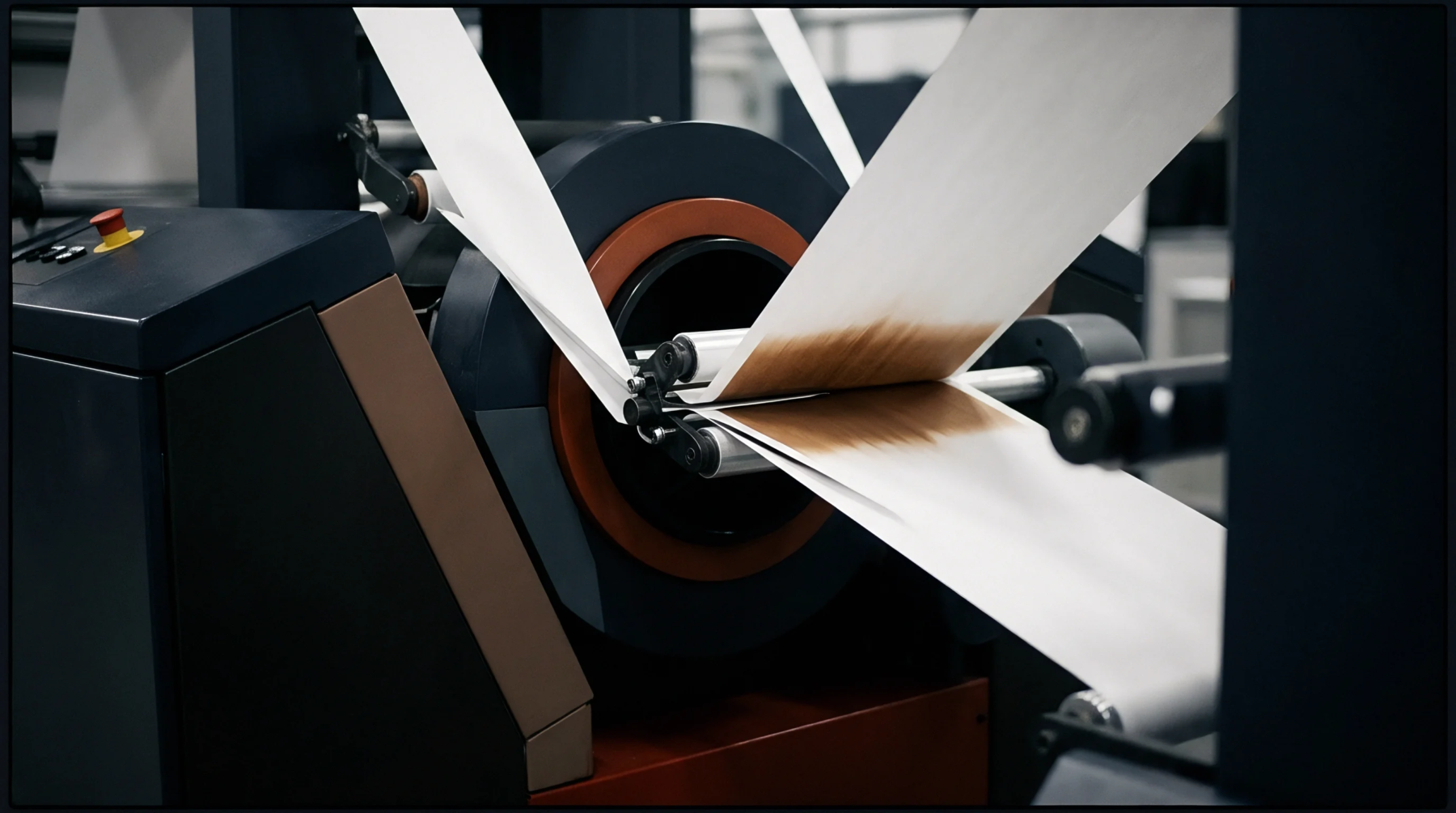
Non-contact thickness gauging uses optical or nuclear sensors to deliver real-time caliper profiles, enabling basis weight down-gauging while meeting ISO 534 limits.
Sub-micrometer web caliper metrology demands chromatic confocal sensors or synchronized triangulation heads with dynamic aeroelastic and thermal drift compensation.
Dynamic blue-laser displacement calibration eliminates light-penetration drift, securing exact FBB crease metrics and stopping false sheet rejection.
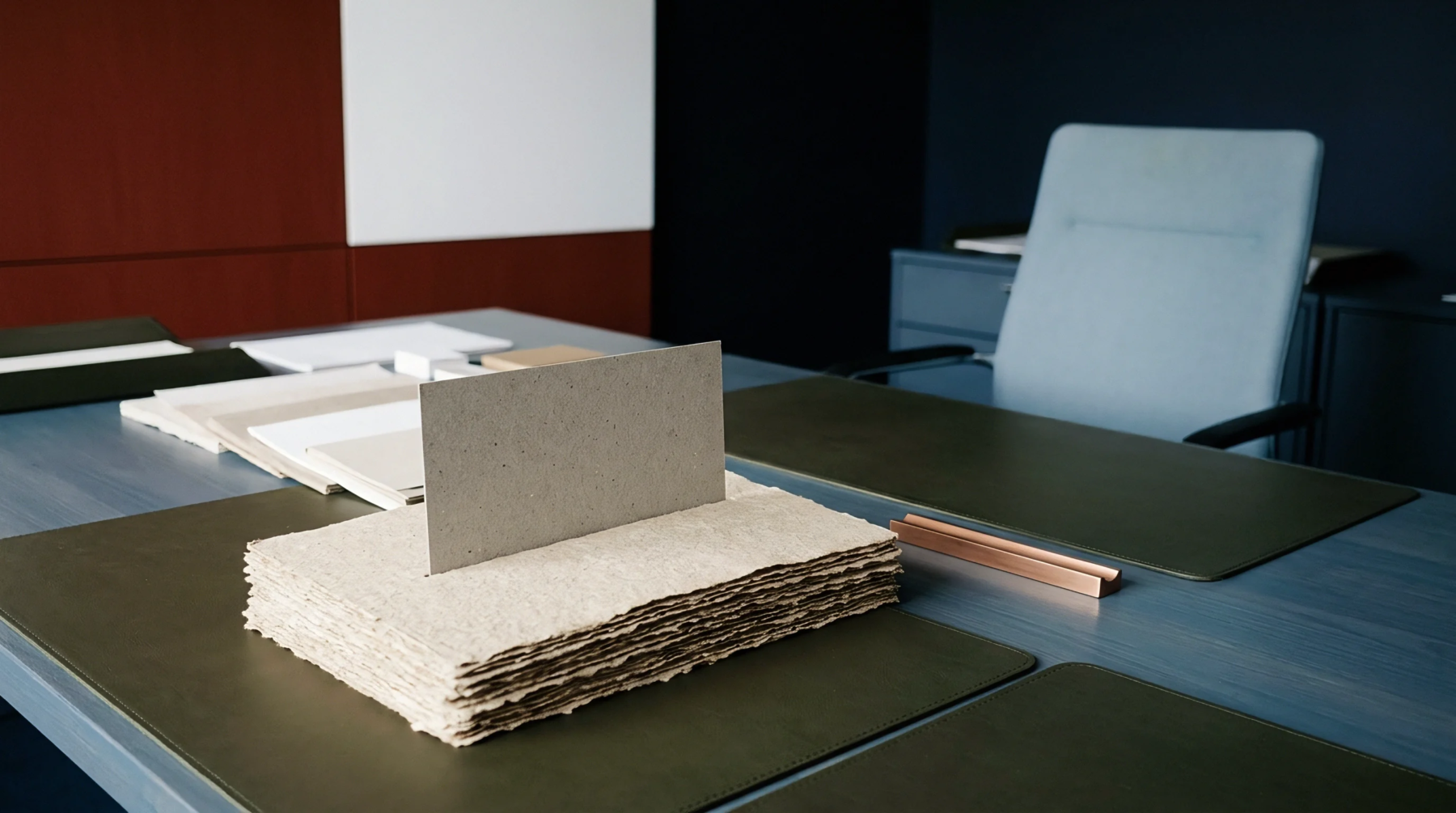
Establish an isolated vacuum datum and calibrate 405-nanometer sensors to eliminate sub-surface scattering errors during board crease verification.
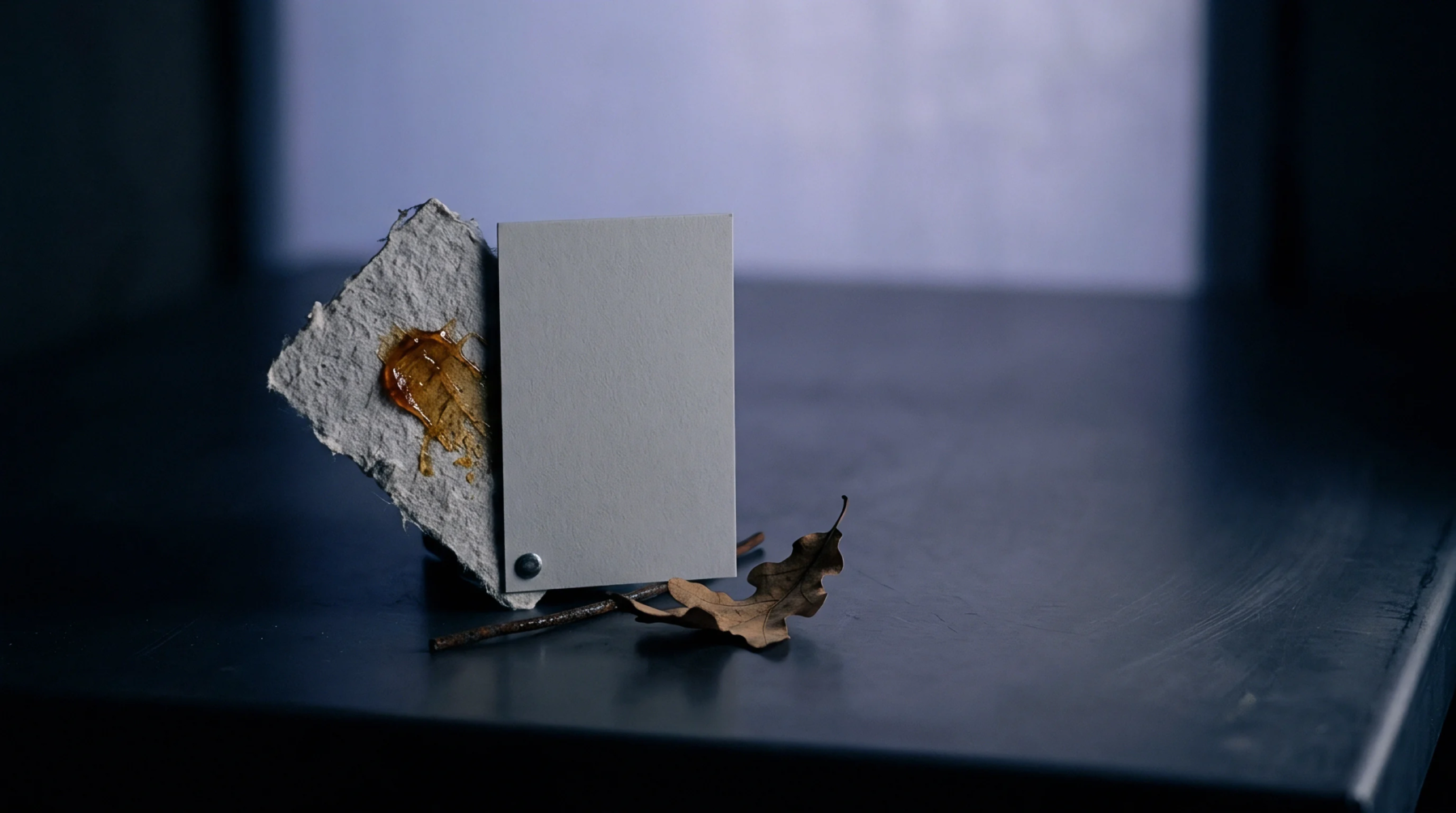
Laser triangulation delivers uncompressed 3D areal topography data, isolating micro-roughness and void volumes that drive print quality across coated boxboard.
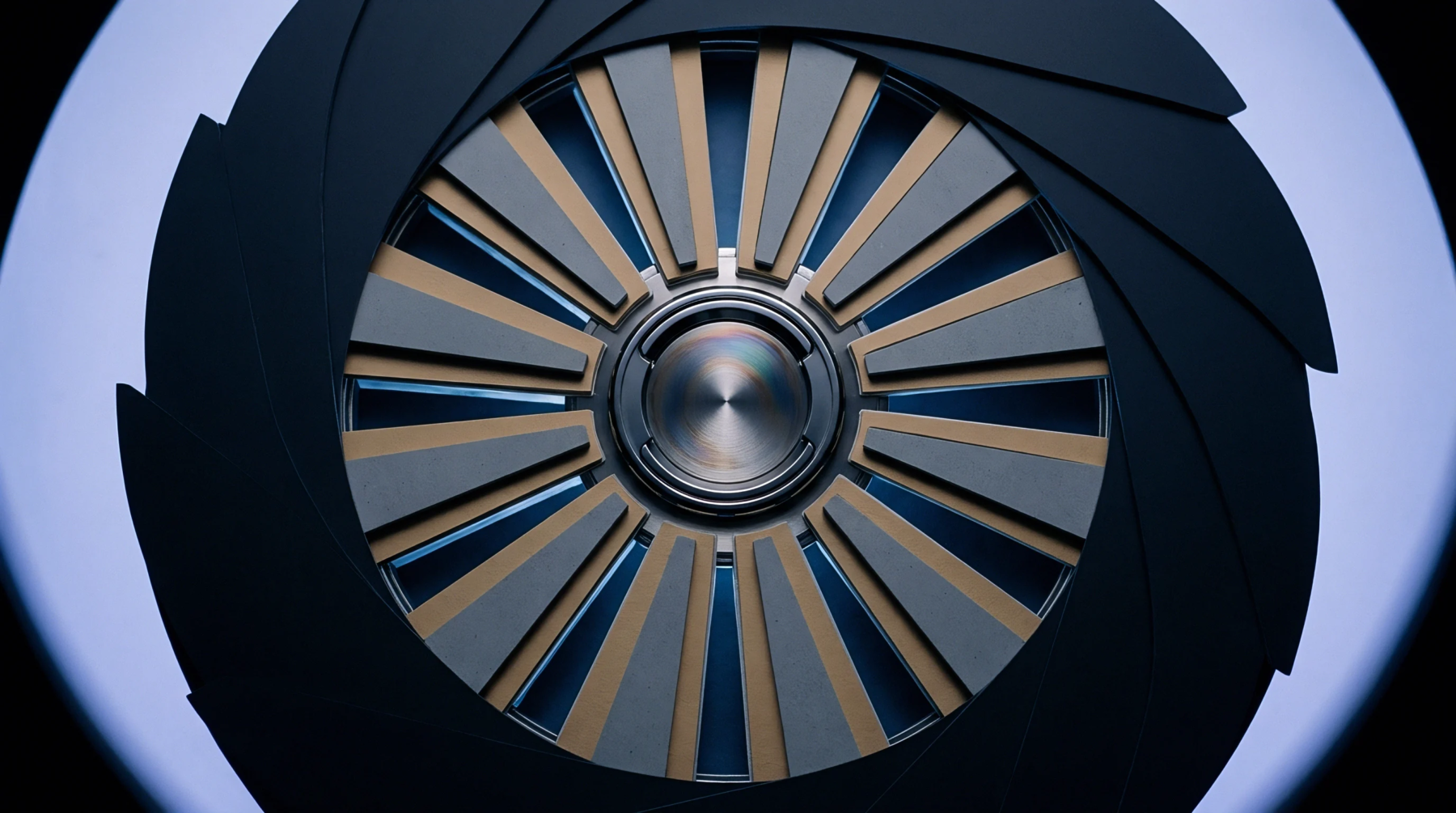
Non-contact optical gauges eliminate mechanical board compression on high-speed lines, enabling tighter cross-machine caliper targets and reduced fiber mass.
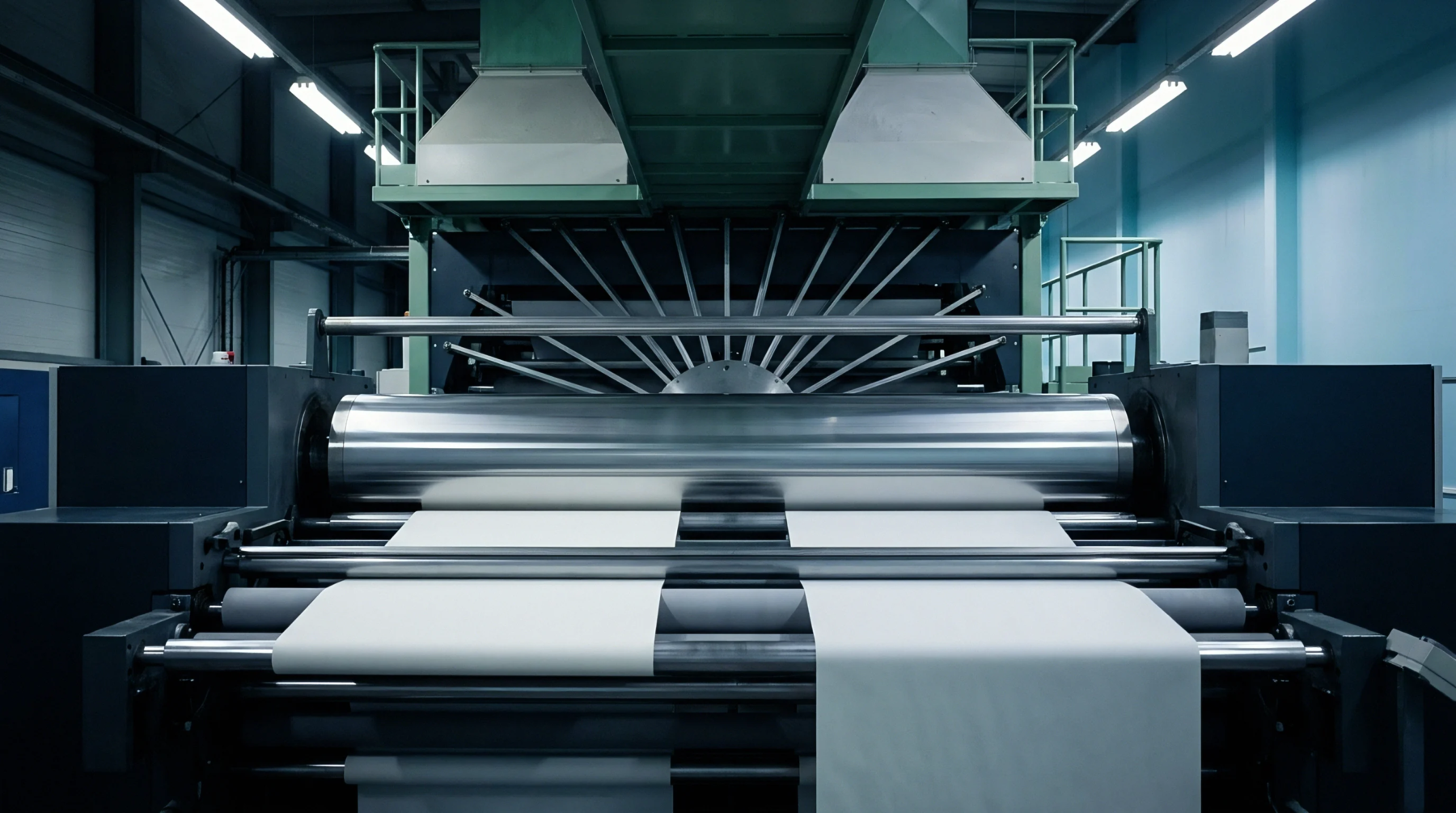
Active dual-beam telecentric triangulation combined with real-time FPGA filtering cancels web vibration and speckle noise to guarantee sub-micron inline caliper accuracy.
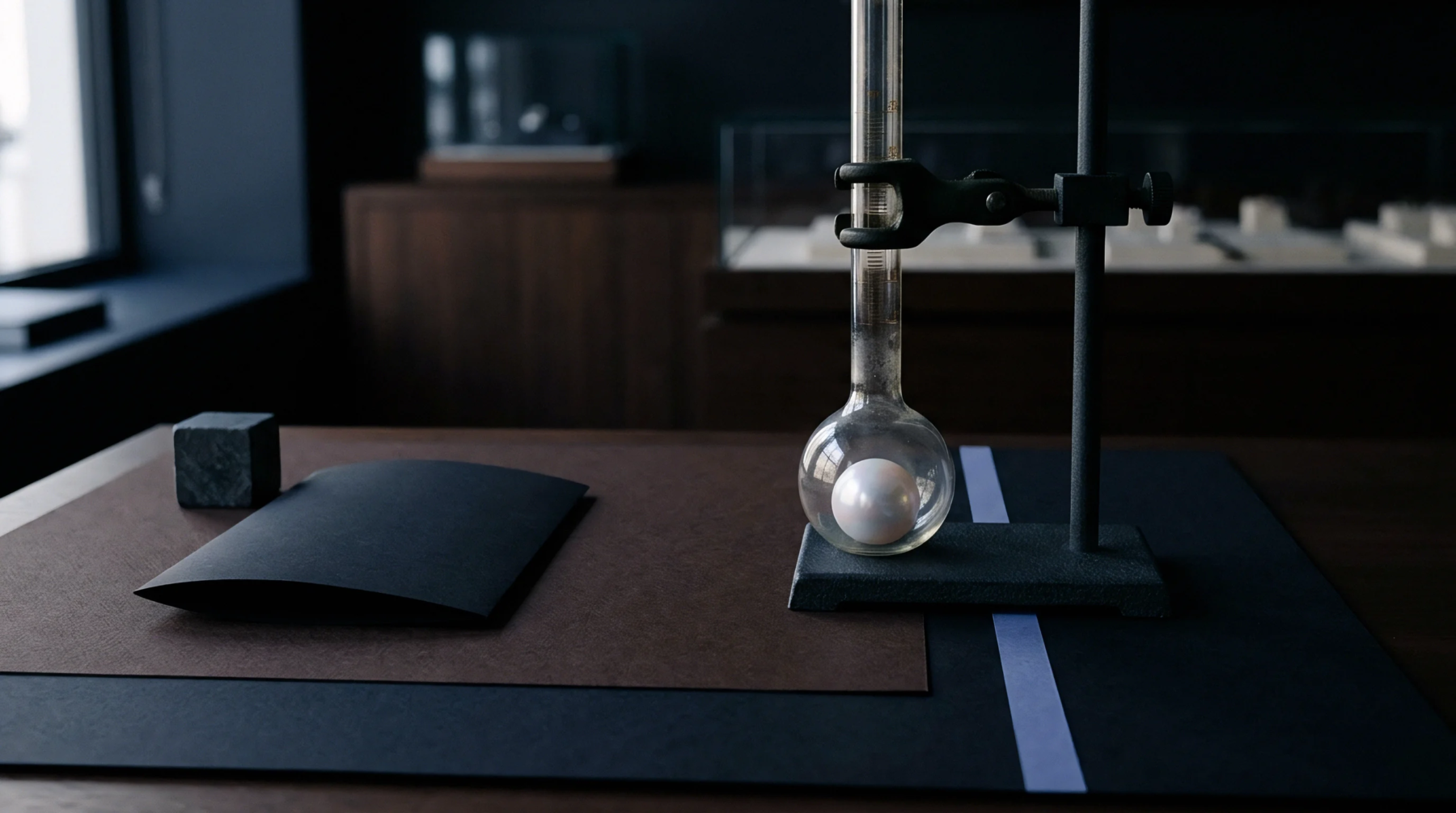
Inline optical displacement calibration requires dynamic differential sensing and spatial encoder synchronization to eliminate web flutter and thermal drift errors.
Expertise is a utility, not a secret. sentiention™ publishes its working knowledge as open reference: intelligence layer covering the materials it sources, the markets it enters, and the reference that serves both.