Thermal Profile
Blending styrene units into an engineering polymer matrix produces modified polyphenylene oxide pellets destined for high temperature food packaging substrates. Extruding this thermoplastic alloy requires barrel temperatures exceeding three hundred degrees Celsius to achieve complete melt homogenization. Die swell remains exceptionally low during sheet extrusion due to the amorphous molecular structure inherent in the base resin.
Die face temperatures demand precise calibration to prevent melt fracture along the web edges before chill roll contact occurs.
Moisture Barrier
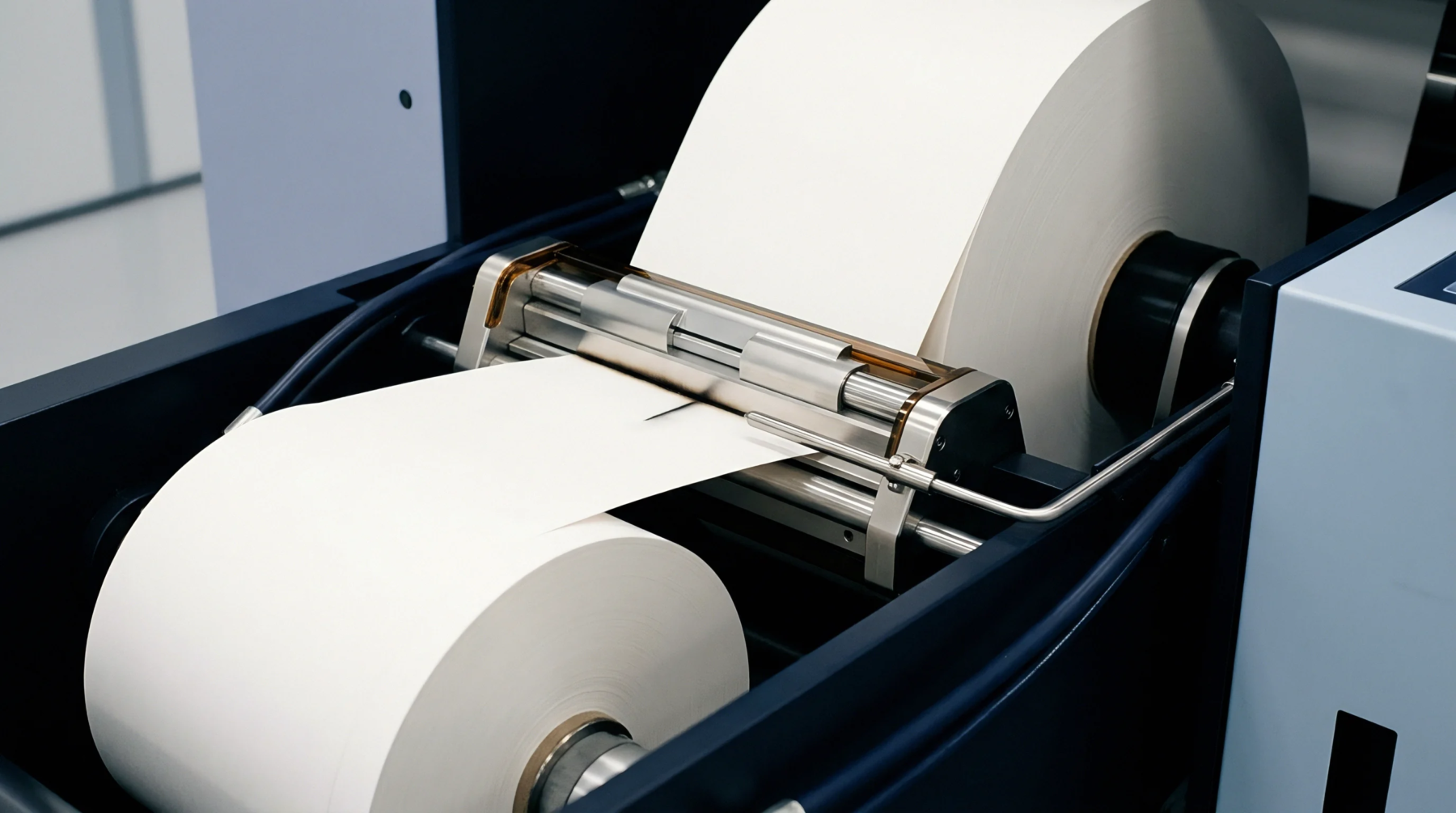
Packaging conversion lines utilize modified polyphenylene oxide films because dimensional stability survives steam sterilization cycles without measurable distortion. Water vapor transmission rates stay exceptionally low across extended ambient storage intervals under high relative humidity conditions. Crystallinity is entirely absent within the polymer chain configuration, which eliminates microscopic pathways for moisture migration through the substrate cross section.
Thermal bonding operations demand strict heater dwell time adjustments because excess heat causes localized film shrinkage around perimeter seals.
Dielectric Index
Electrical insulation grades of modified polyphenylene oxide provide the dielectric consistency required for microwaveable paperboard lamination layers. High frequency signal transmission passes through the coated substrate without causing dielectric heating or thermal degradation of the carrier web. Surface resistivity values remain stable when the material encounters fluctuating environmental moisture levels during prolonged freight transit.
Dielectric breakdown voltage thresholds dictate maximum coating thicknesses applied during aqueous dispersion runs on high speed gravure printing presses.