Chemical Structure
Water-soluble synthetic polymers provide an exceptionally dense oxygen and grease barrier when applied to paperboard substrates. The application of a polyvinyl alcohol coating creates a hydrophilic network that is highly resistant to non-polar organic molecules. This polymer is synthesized from polyvinyl acetate through hydrolysis, which determines its solubility and film-forming characteristics.
The resulting dry layer is gas-tight and highly effective against hydrocarbon migration.
Barrier Efficiency
Resistance to mineral oils makes this polymer a popular choice for treating recycled paperboard intended for food contact. The polyvinyl alcohol coating blocks both the saturated and aromatic hydrocarbon fractions that migrate from recycled pulp. This high-density barrier prevents dry foods from absorbing chemical contaminants over long storage periods.
However, because the polymer is hydrophilic, its barrier performance decreases when it is exposed to high humidity conditions. To mitigate this sensitivity, formulators often blend the polymer with cross-linking agents or inorganic fillers.
Application Method
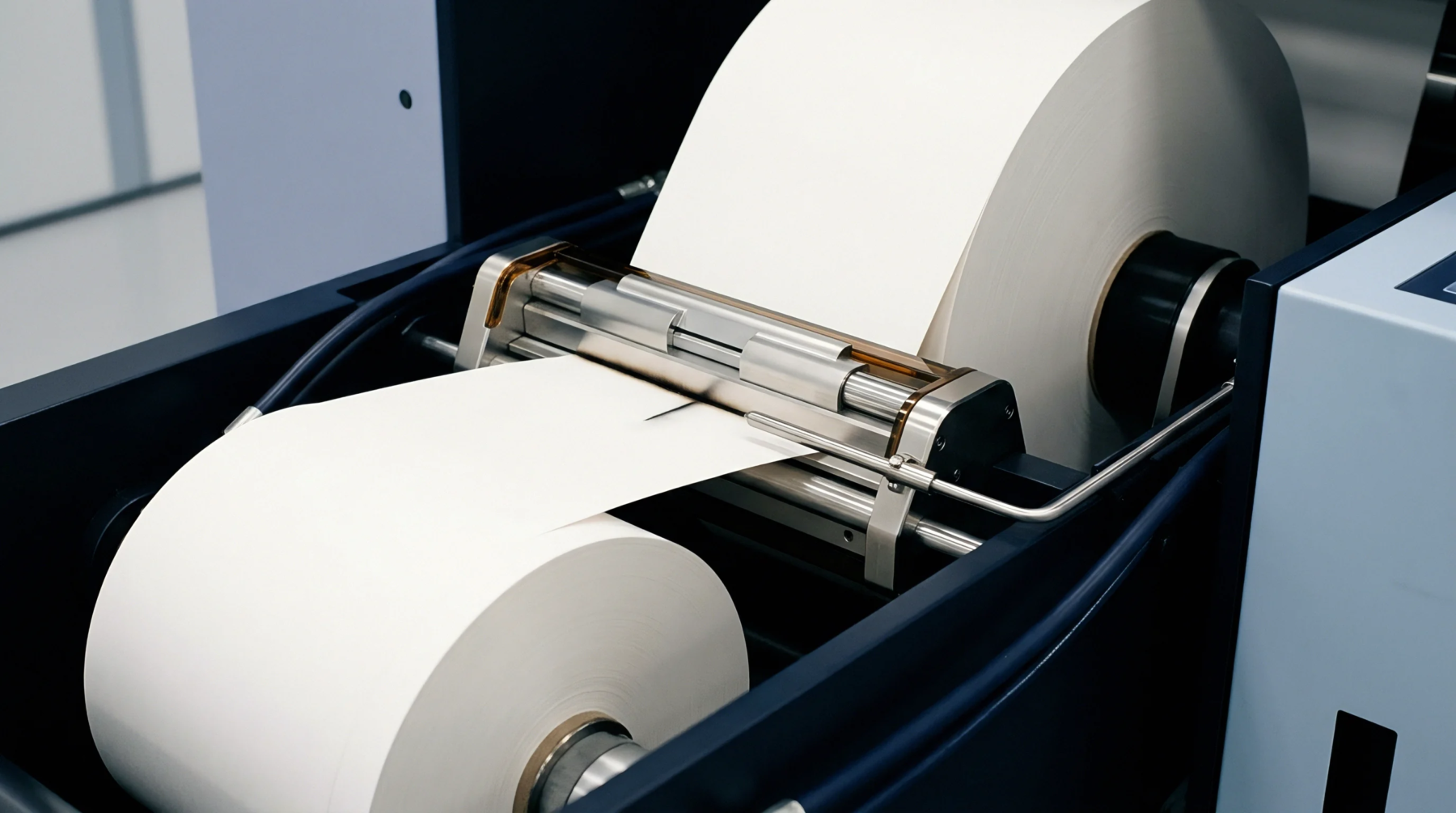
Applying the polymer to the paper web occurs via size press or gate roll coaters during board manufacture. The polyvinyl alcohol coating must be dried carefully to prevent skinning and ensure a smooth, continuous film. Offline converting can also be used to apply thicker layers for demanding applications.