Fibre Matrix
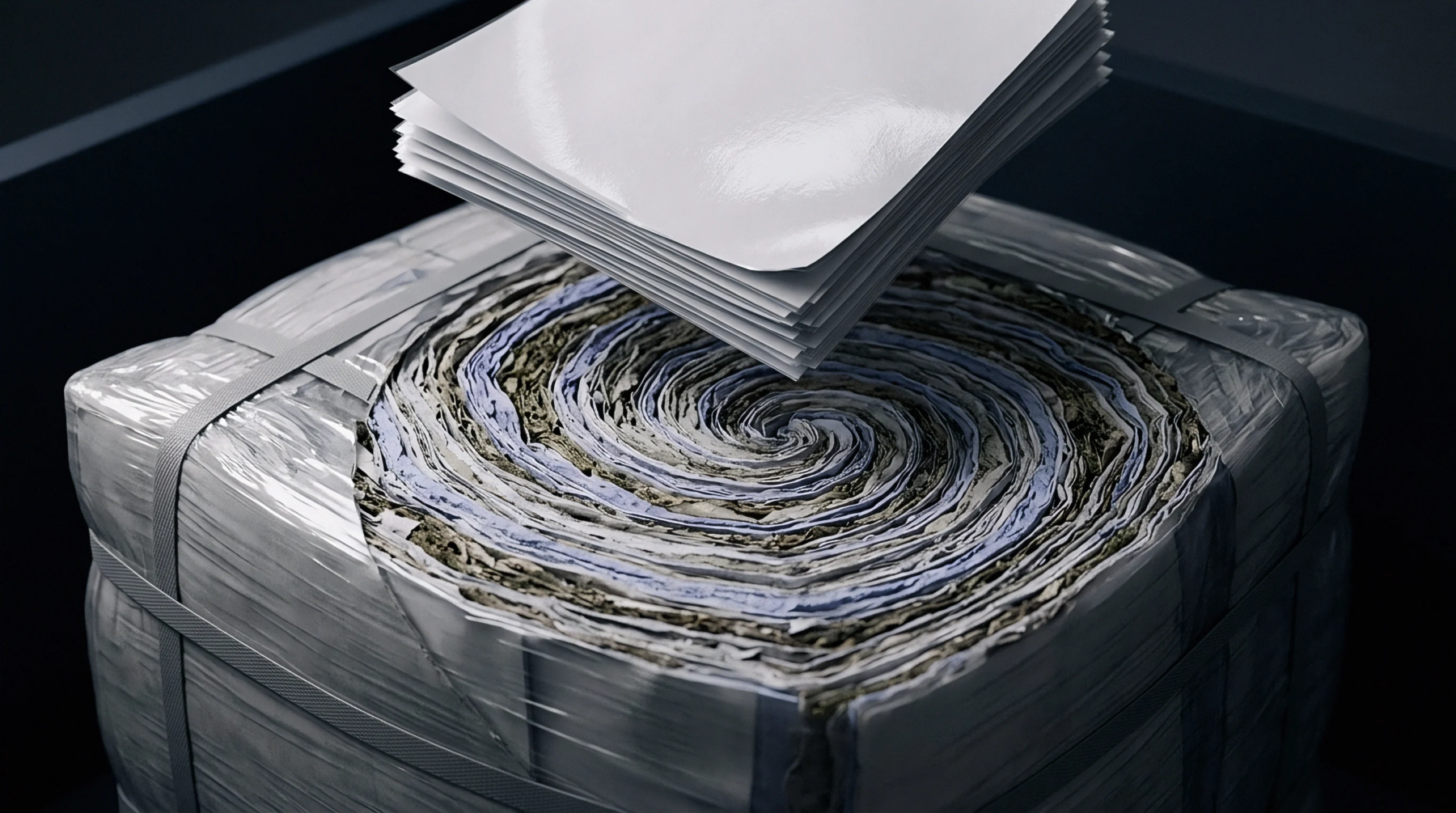
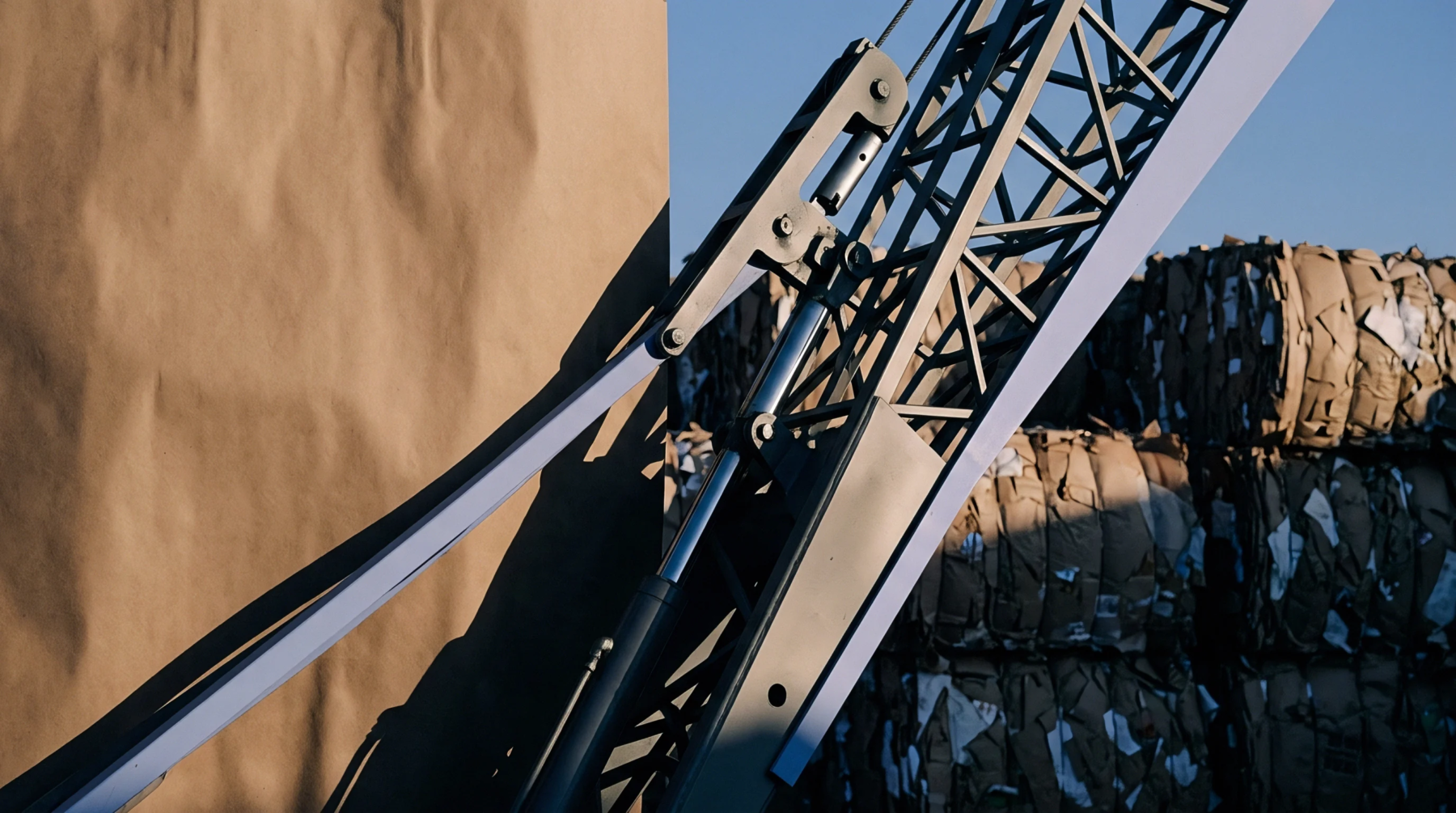
Recycled paperboard is a multi-ply packaging substrate manufactured from recovered cellulose sources through cylinder machine forming. Post-consumer waste streams supply the bulk furnish, while segregated pre-consumer cuttings reinforce outer plies for surface smoothness. Mills layer different grades of recovered pulp simultaneously while wet, creating a cohesive caliper that gains structural rigidity through inter-fibre hydrogen bonding during thermal pressing.
This multi-layered construction allows converters to manipulate bending stiffness independently from surface printability by altering inner core density. Caliper tolerances remain strict across the web because uneven moisture absorption during drying causes board curl, which jams automated folding and gluing machinery on high-speed packaging lines.
Conversion Tolerance
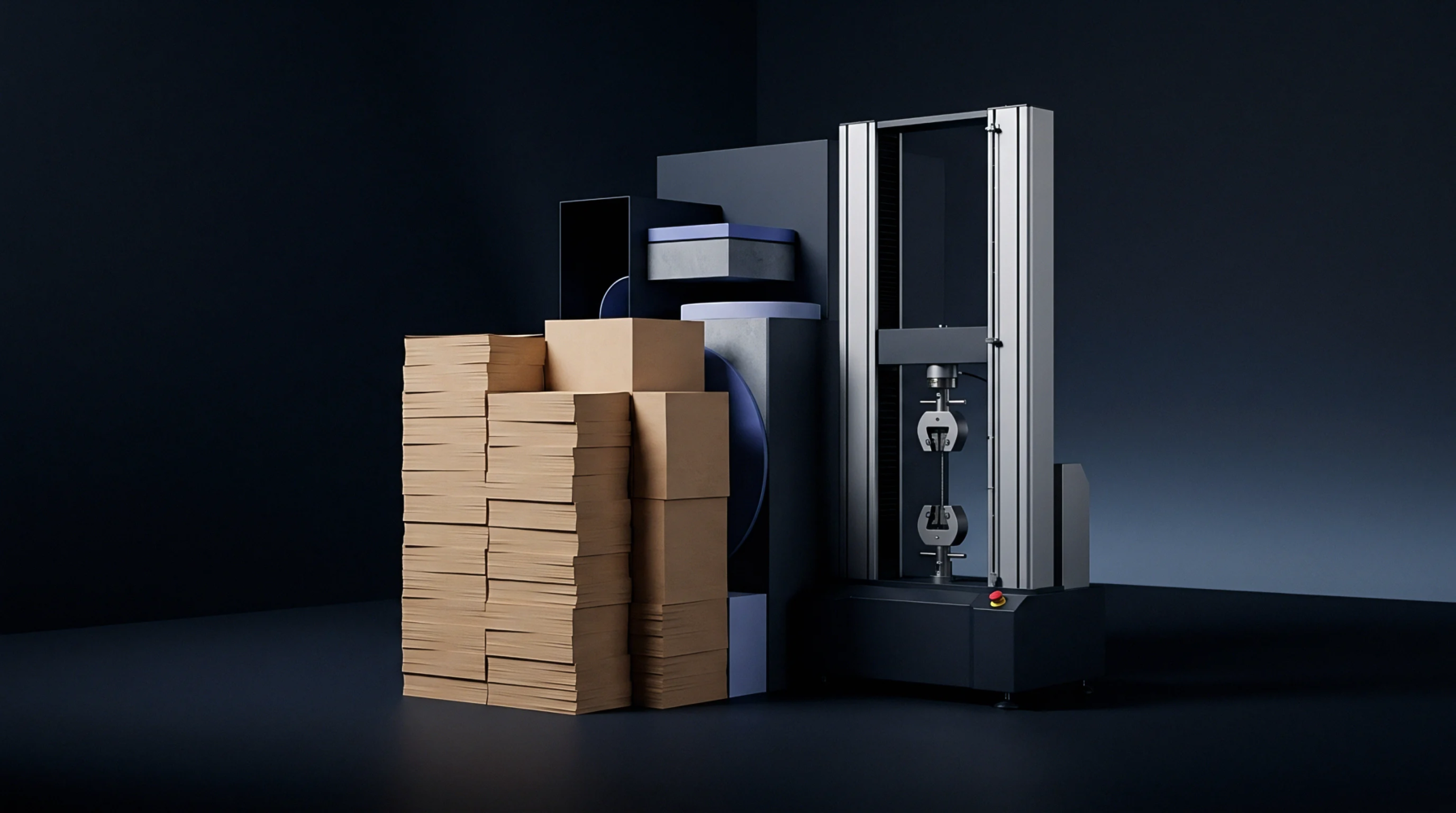
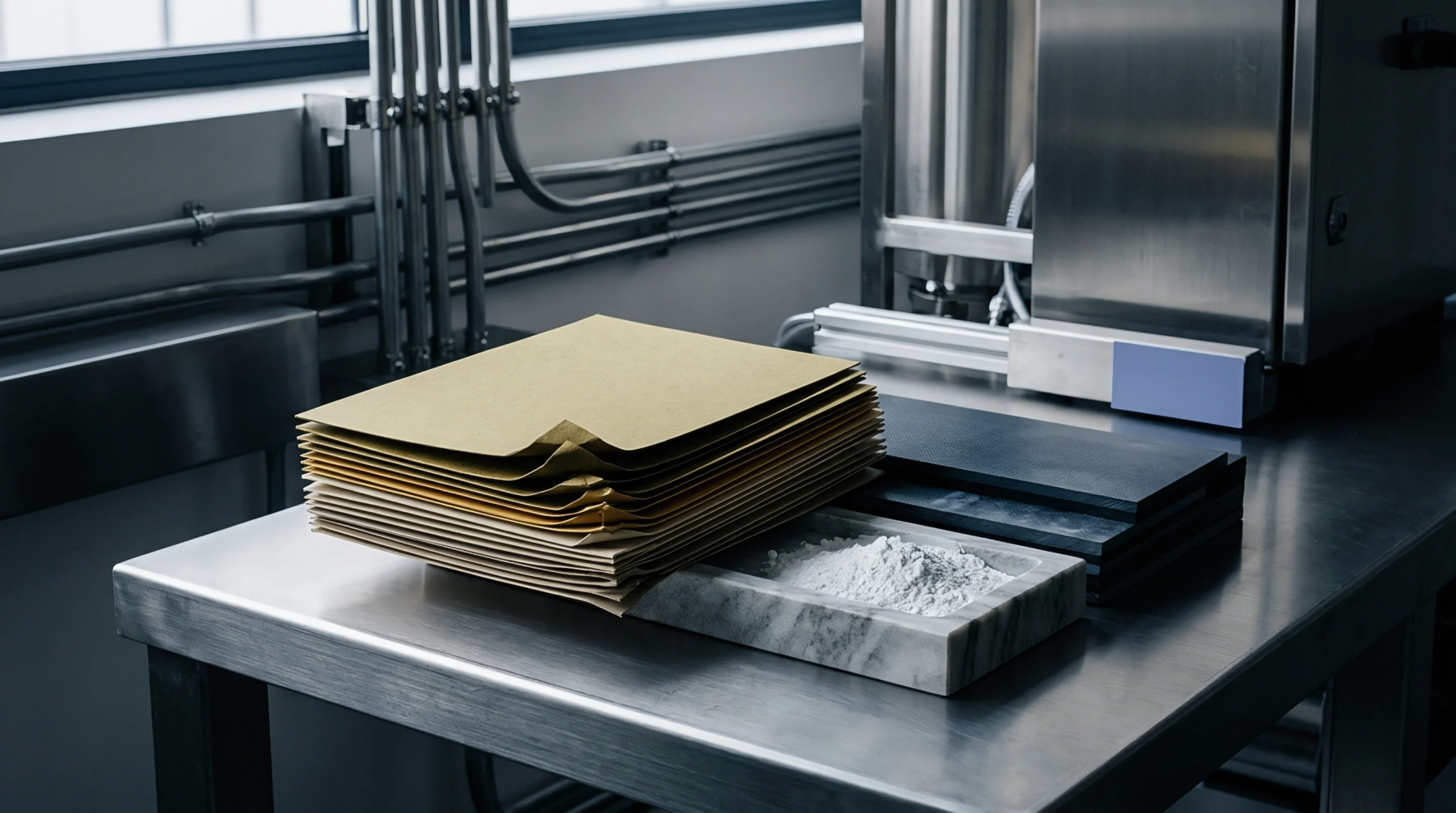
Die-cutting plates and creasing matrix specifications depend heavily on the residual moisture content locked inside the compressed sheets during manufacturing. Low moisture levels make the material brittle, causing cracking along score lines when folding cartons at ninety-degree angles, whereas excessive humidity softens the structural plies and reduces crush resistance under vertical stacking loads. Folding carton manufacturers test stiffness through Taber resistance units to ensure finished boxes withstand top load pressures during warehouse palletization without buckling.
Origin Verification
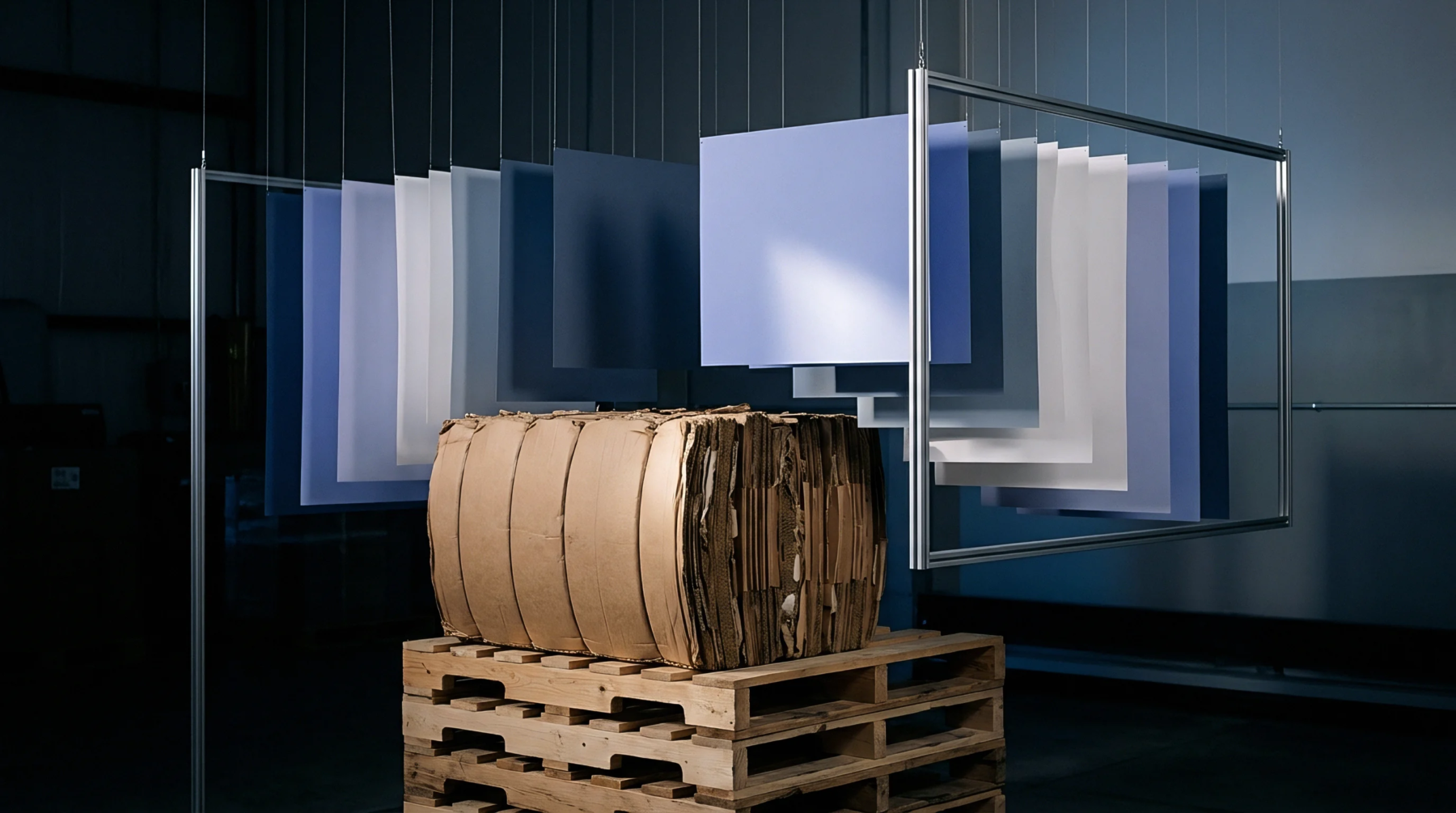
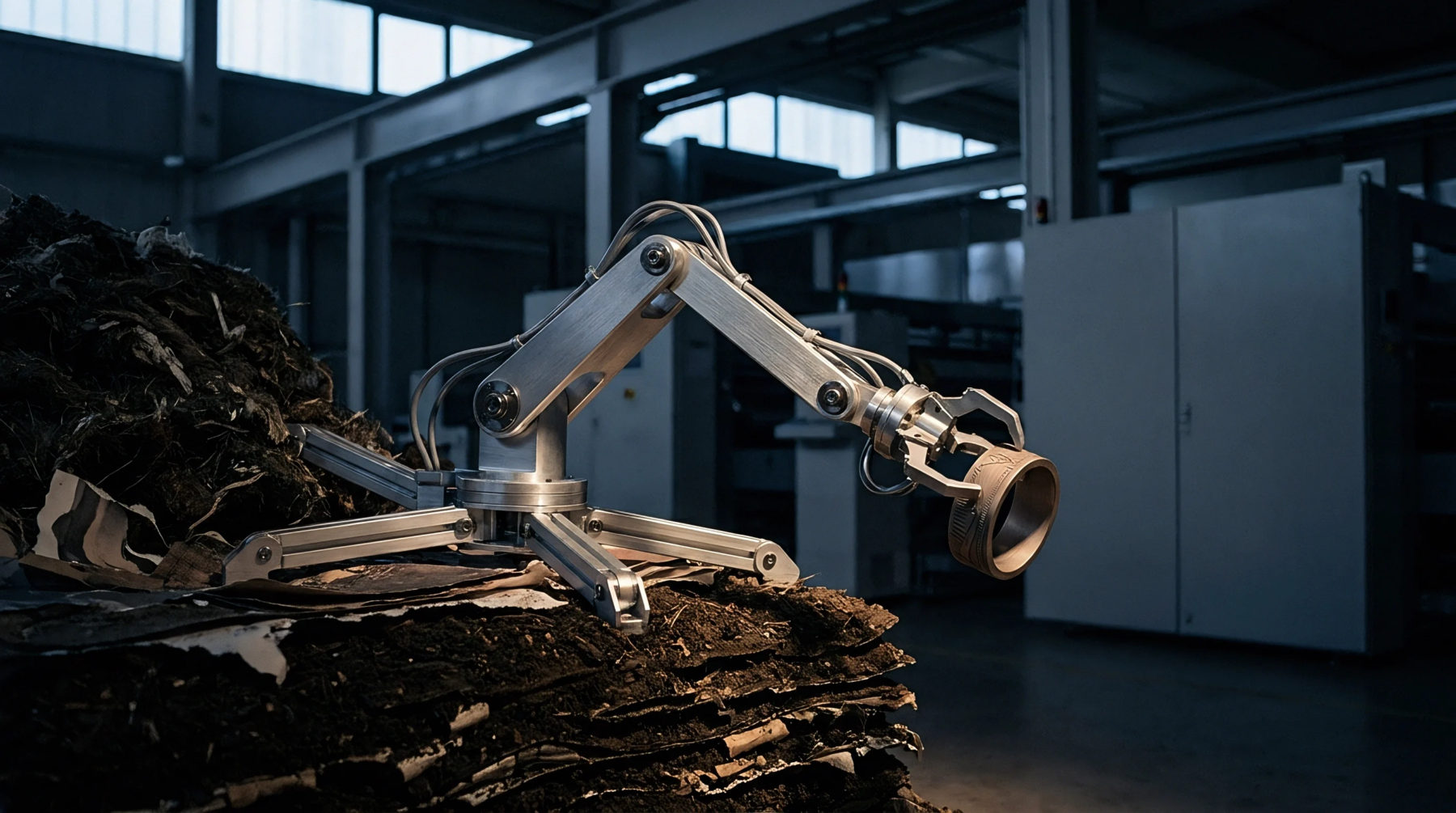
Forest certification bodies audit recovered paper suppliers to confirm that recycled paperboard claims rely on audited chain-of-custody protocols rather than estimated averages. Mills track furnish inputs through mass balance accounting, separating unbleached kraft clippings from mixed residential collections to maintain accurate feedstock ratios for brand owners. Verification standards require proof that chemical residues from inks and adhesives remain below allowable limits for direct contact with dry foodstuffs.