Internal Cohesion
Internal fibre bond strength determines the resistance of a paper substrate to forces acting perpendicular to the sheet surface. This quality is z-direction tensile, a measurement of the force per unit area required to cause sheet rupture when pulling forces apply to both sides of the stock. It defines the point where the sheet splits into two separate layers rather than tearing across the horizontal plane.
High values indicate a stable sheet structure resistant to picking or surface delamination during high speed printing processes. Testing identifies the physical limits of the sheet integrity and prevents the separation of internal layers during intense mechanical operations or high viscosity ink applications.
Production Calibration
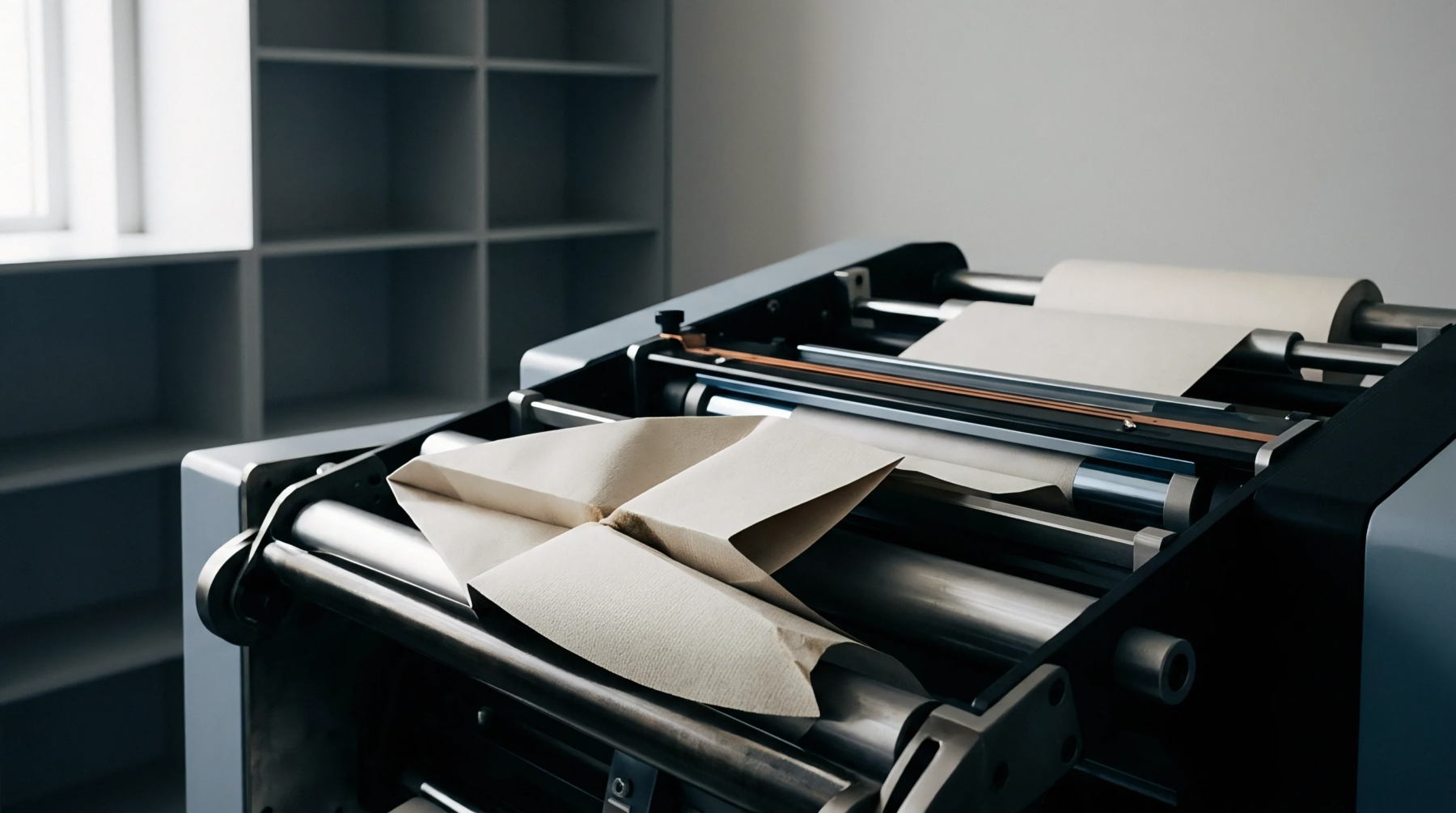
Manufacturing processes including headbox flow dynamics and refining intensity influence the alignment and bonding of cellulose fibres within the paper sheet. Operators adjust the degree of fibre hydration to modify the z-direction tensile value to match the demands of specific offset or gravure printing environments. Excessive vacuum pressure during web formation or uneven drying profiles causes localized weaknesses that lead to sheet failure under tension.
Mills monitor the internal bond strength to ensure the substrate withstands the suction forces present at each printing unit. Uniform fibre distribution throughout the thickness of the paper reduces the likelihood of ruptures during high speed converting steps. Consistency in these mechanical properties allows for stable performance on filling lines where rapid speed changes create shock loads on the material surface.
Surface Integrity
Substrates require specific resistance levels to prevent picking when inks pull against the top layer of the paper during the transfer process. A low z-direction tensile results in the failure of the sheet surface where fibres lift away from the base layer and accumulate on the printing blankets. Printers verify the strength of the internal structure to avoid these defects during large scale production runs.
Higher strength levels provide the necessary resistance to withstand the stresses created by heavy ink coverage or high tack adhesive applications. This mechanical property remains the primary barrier against the delamination of paperboard during rapid folding or high tension rewinding operations. The material capacity to hold together under perpendicular stress dictates the success of complex finishing tasks.