Contact Angle Analysis for Surface Decay in Polyurethane Film
Contact angle analysis detects hydrophobic recovery and additive blooming in polyurethane films before lamination failure occurs on high-speed converting lines.
Contact angle analysis detects hydrophobic recovery and additive blooming in polyurethane films before lamination failure occurs on high-speed converting lines.
Polyurethane surface energy decays through soft-segment rotation, demanding secondary pass execution within seventy-two hours or inline re-activation.
Dynamic contact angle decay within 10 to 100 milliseconds governs liquid holdout and adhesion on paperboard, requiring tight surfactant diffusion control.
Sessile contact angle goniometry isolates polar and dispersive surface energy to verify polyolefin corona treatment and prevent lamination delamination.
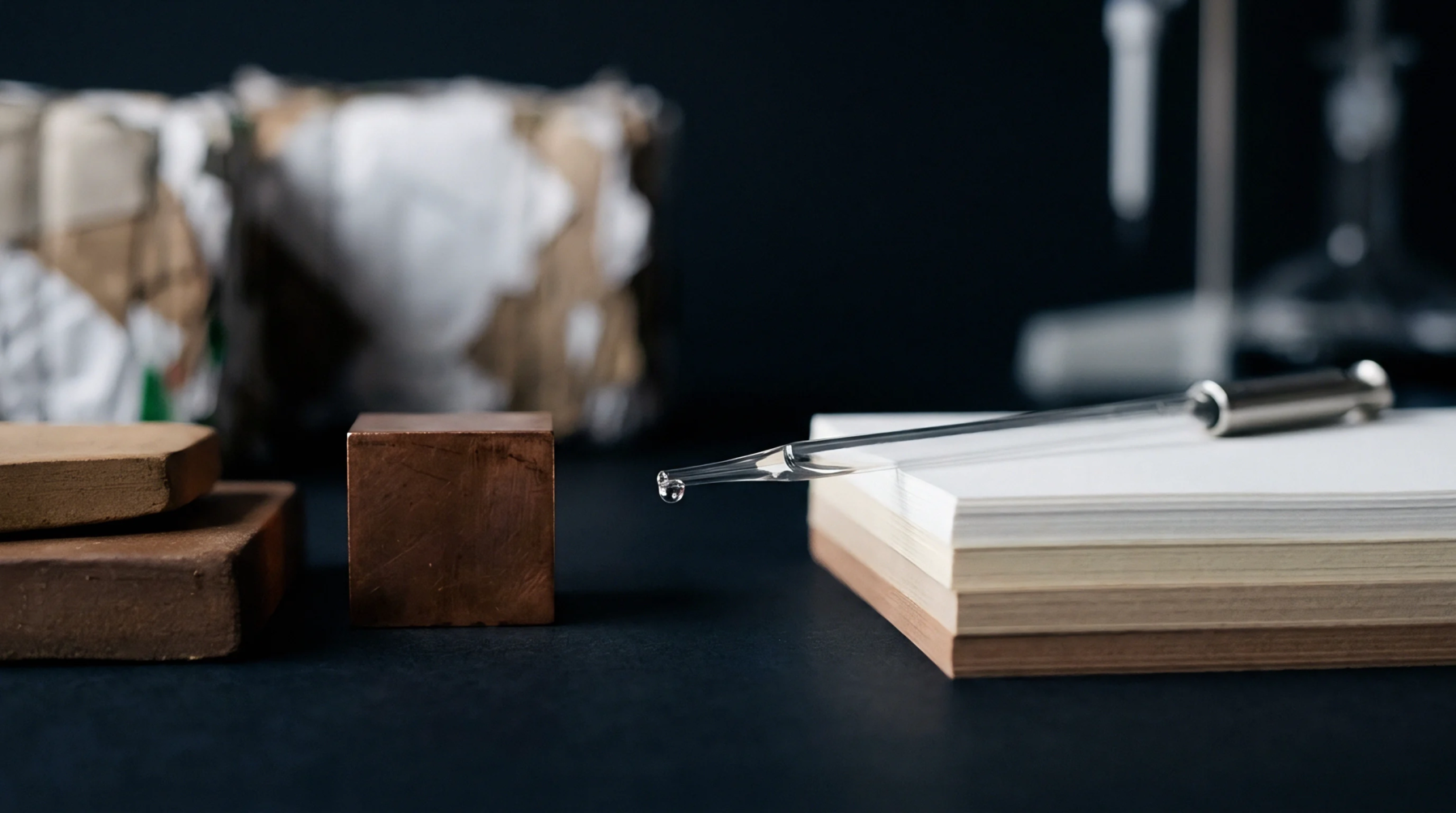
Hornification in secondary fibres reduces internal pore volume and alters optical scattering, requiring dynamic wetting controls to prevent press mottle.
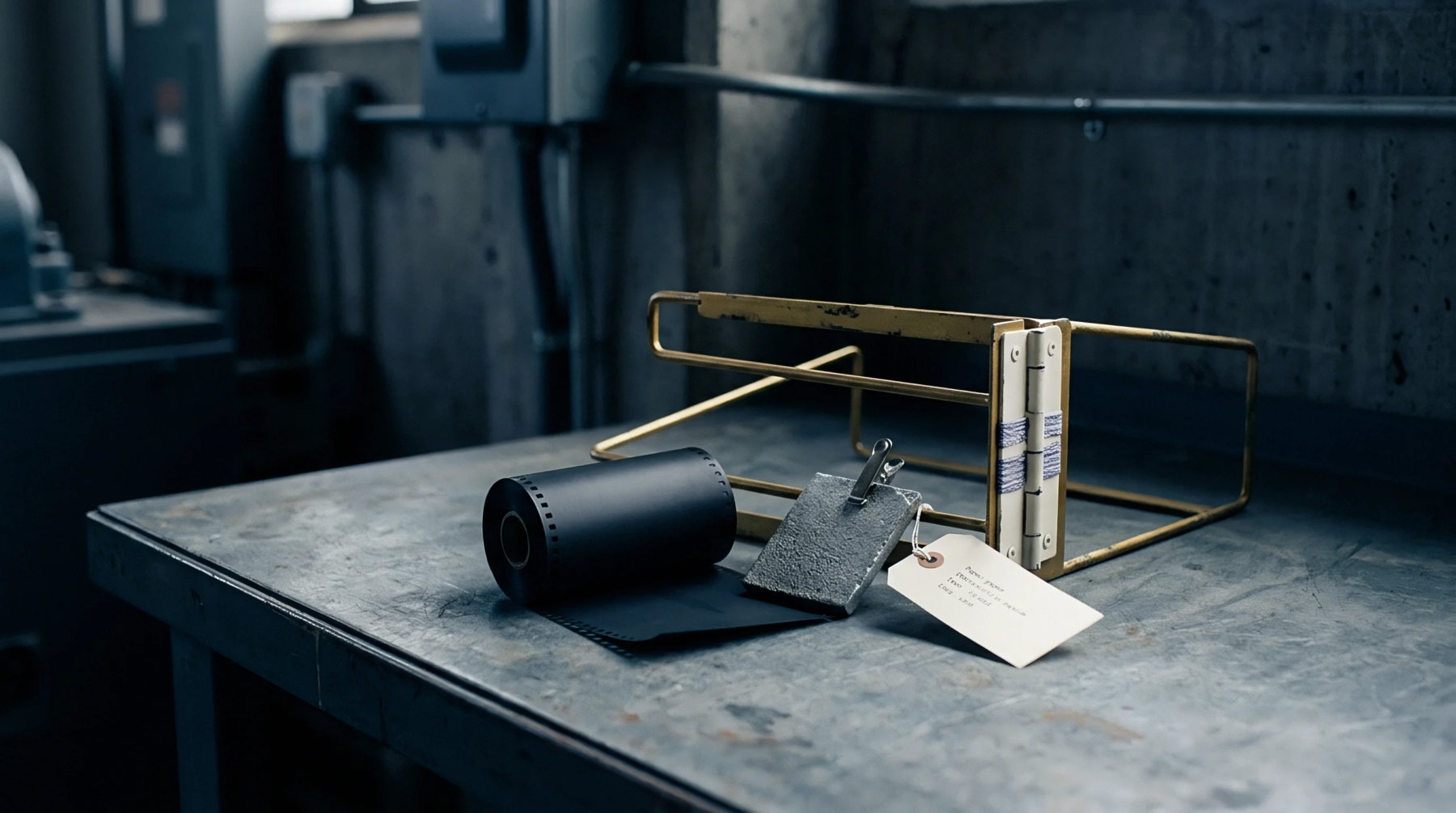
Polyurethane tactile films trade high material costs for self-healing elastomeric scuff resistance, requiring precise thermal nip control and high dyne levels.
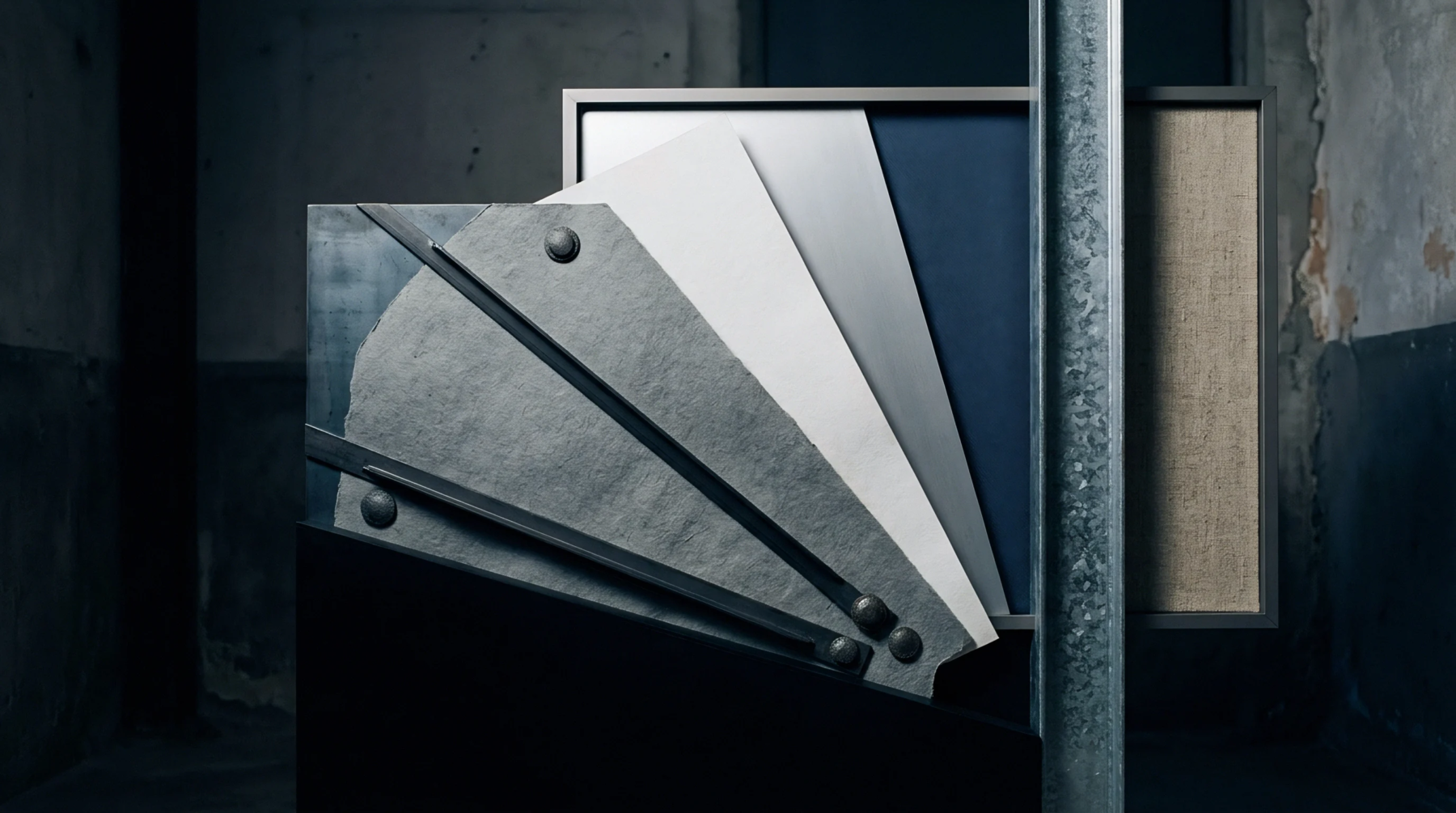
Thermodynamic wetting in polyolefin lamination demands substrate polar surface energy above 6.0 mN/m to achieve complete adhesive spreading and bond durability.
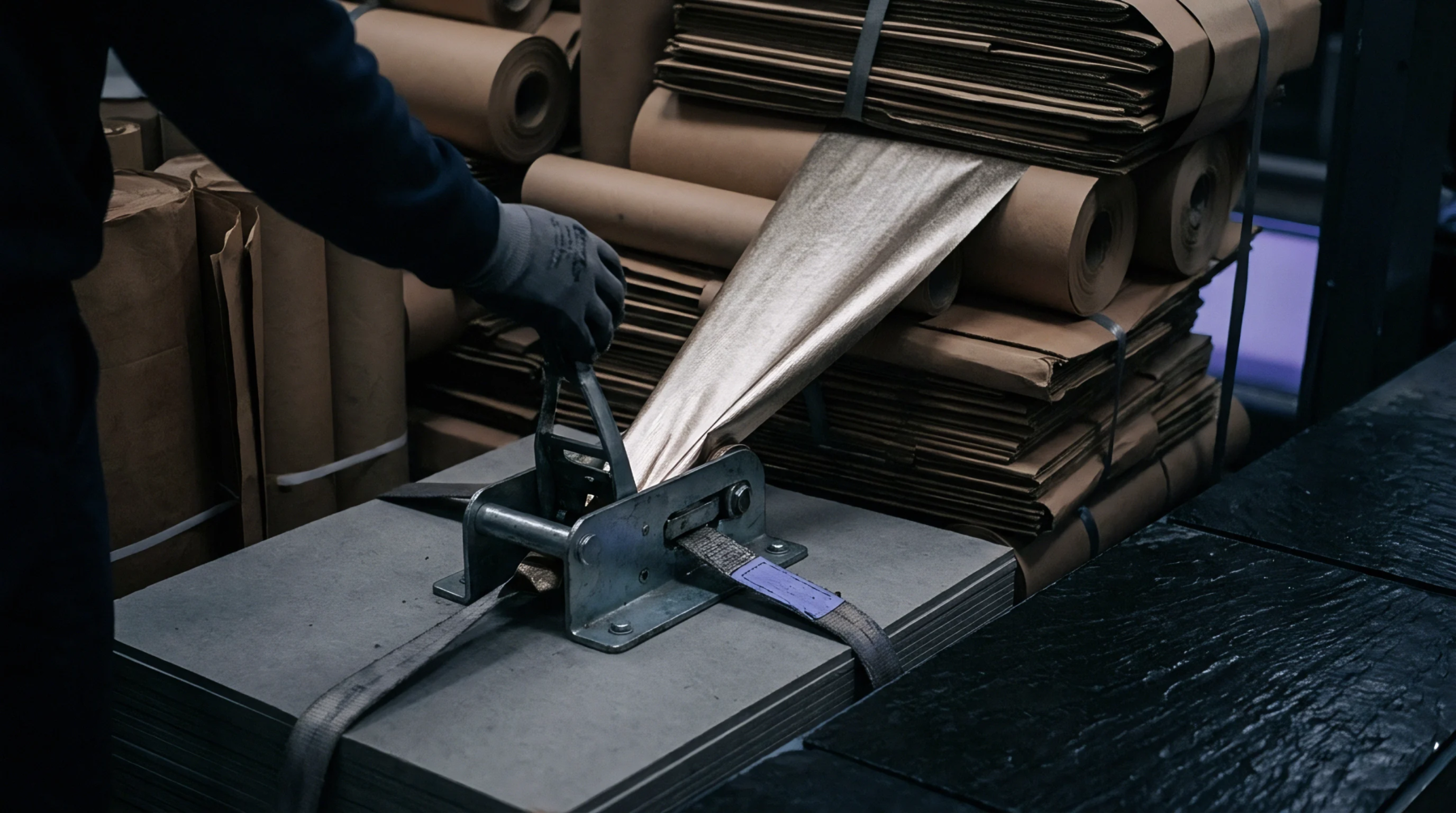
Lamination failure stems from dyne decay and score mismatch; precise surface energy matching and matrix sizing prevent debonding and lower EPR packaging costs.
Expertise is a utility, not a secret. sentiention™ publishes its working knowledge as open reference: intelligence layer covering the materials it sources, the markets it enters, and the reference that serves both.