Surfactant Adsorption Kinetics Affecting Dynamic Contact Angles on Paperboard Substrates
Dynamic contact angle decay within 10 to 100 milliseconds governs liquid holdout and adhesion on paperboard, requiring tight surfactant diffusion control.
Dynamic contact angle decay within 10 to 100 milliseconds governs liquid holdout and adhesion on paperboard, requiring tight surfactant diffusion control.
Dynamic fluid transport in lightweight coated sheets shifts from inertial to capillary control within milliseconds, demanding balanced pore throat sizing.

Substrate capillary absorption speeds govern ink setting rate, dryer energy consumption, and cross-web print defect thresholds across high-speed converting runs.
Residual surfactant migration in hardwood stock depresses dynamic surface tension below forty millinewtons per meter, triggering jetting print defects.
Balancing dynamic surface tension sub-10ms wetting with high extensional viscosity prevents droplet rebound and glue stringing on creased paperboard.
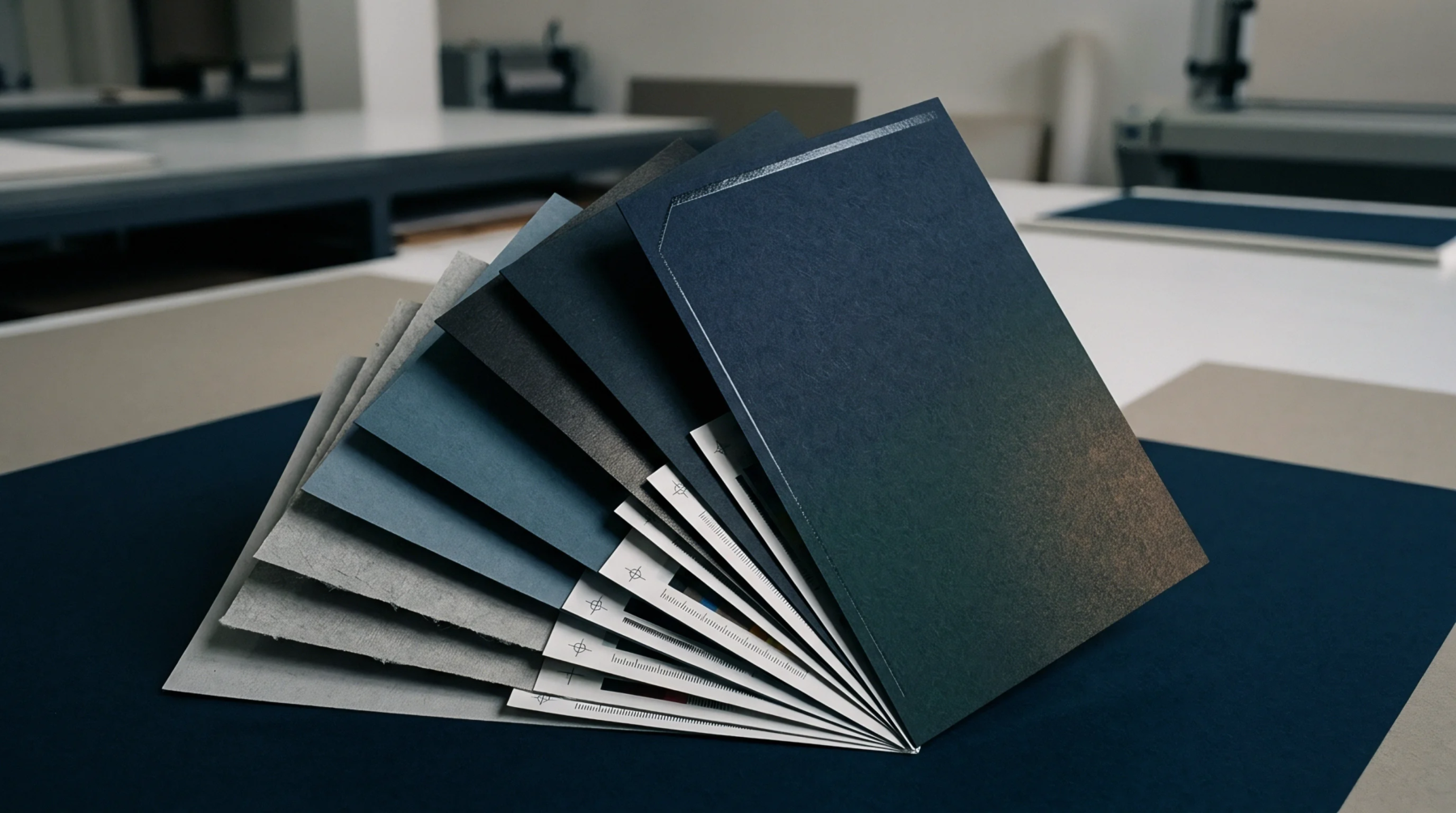
ISO 15901-1 porosimetry paired with dynamic sorption testing qualifies coating pore structures to prevent back-trap mottle and ink setting failures on press.

Dynamic contact angle relaxation rates dictate air entrainment and streak defect thresholds in high speed blade coating systems operating above 1200 m/min.

Narrow coating pore throats below 0.05 micrometres maximize capillary pressure, driving rapid ink vehicle separation and set speed on offset press.

Hornification in secondary fibres reduces internal pore volume and alters optical scattering, requiring dynamic wetting controls to prevent press mottle.

Dynamic surface tension decay in lightweight virgin hardwood papers dictates fountain solution uptake and ink setting, requiring strict dynamic contact angle limits in mill purchase specs.
Expertise is a utility, not a secret. sentiention™ publishes its working knowledge as open reference: intelligence layer covering the materials it sources, the markets it enters, and the reference that serves both.