
Validation of Public Chain of Custody Certificate Scope Data
Validating chain of custody certificates demands cross-checking online registry scopes, product categories, and site schedules against line-item invoice claims.
Validating chain of custody certificates demands cross-checking online registry scopes, product categories, and site schedules against line-item invoice claims.

Verify paperboard claims by checking the online scheme register, matching scope codes, and auditing transaction lines on invoices and delivery dockets.

Analytical mass balance frameworks require deducting flotation froth, screening rejects, and ash losses from gross recovered paper to verify recycled content claims.

Paperboard recycled claims require matching chain of custody certificates, mass balance ledger reconciliation, and certified converter invoices.

Validating paperboard claims requires cross-checking certificate scope codes on public databases and securing batch migration test reports.

Reconciling decoupled credit ledgers with physical fiber movements requires dynamic conversion factor auditing and site-level transfer tracking.
Multi-site kraft paper networks reconcile physical process yield losses against certified volume balances through standardized mill conversion factors.

Verify paperboard certificates by matching invoice claim text, product scope codes, and valid supplier registry entries before receiving inventory at the dock.
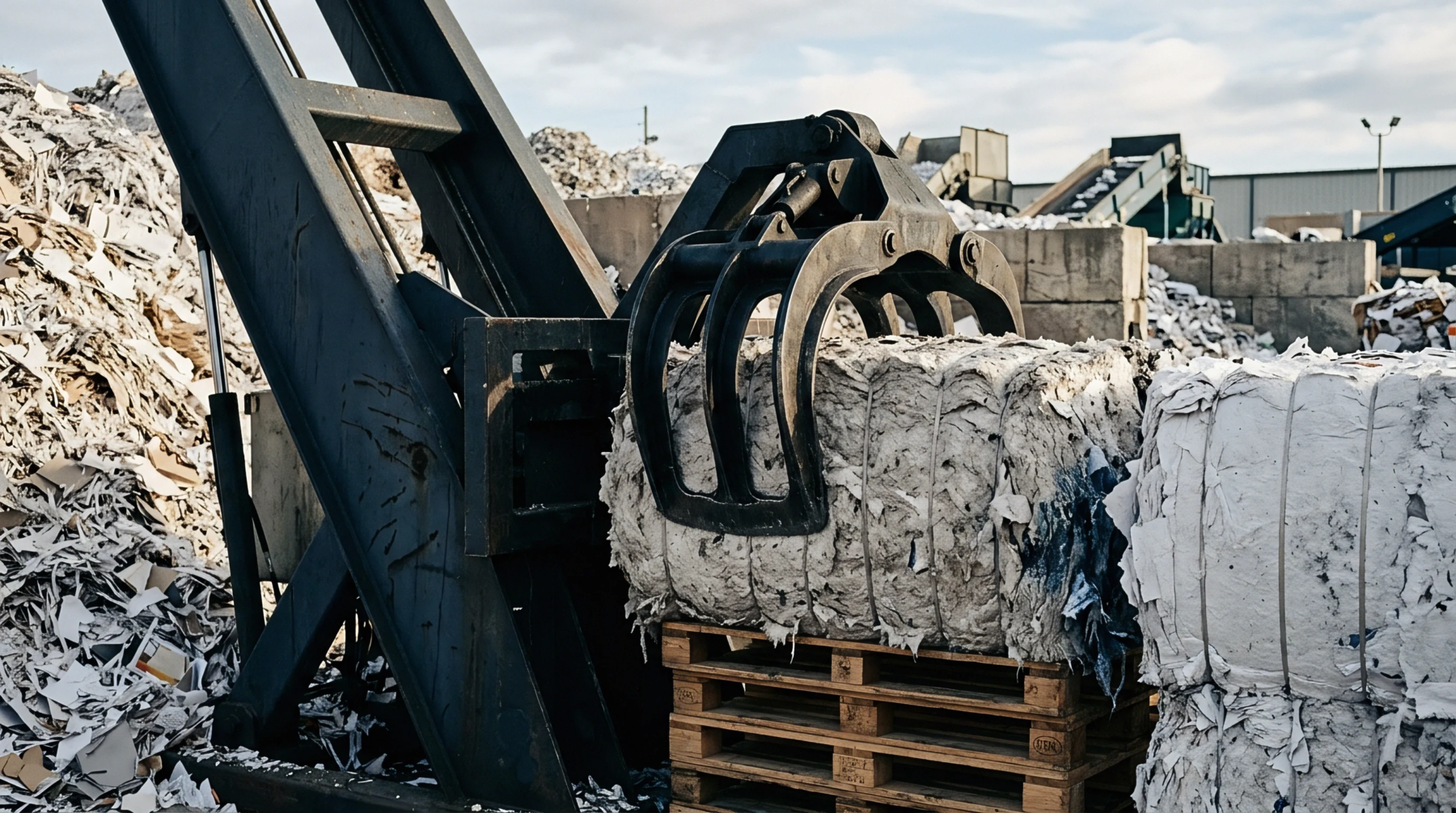
Auditing fiber ratios combines ISO 9184 furnish microscopy and ash testing with strict FSC and PEFC invoice-level mass balance chain of custody reconciliation.

Verifying imported packaging compliance requires auditing chemical migration reports, chain-of-custody scopes, and declarations of conformity before customs clearance.
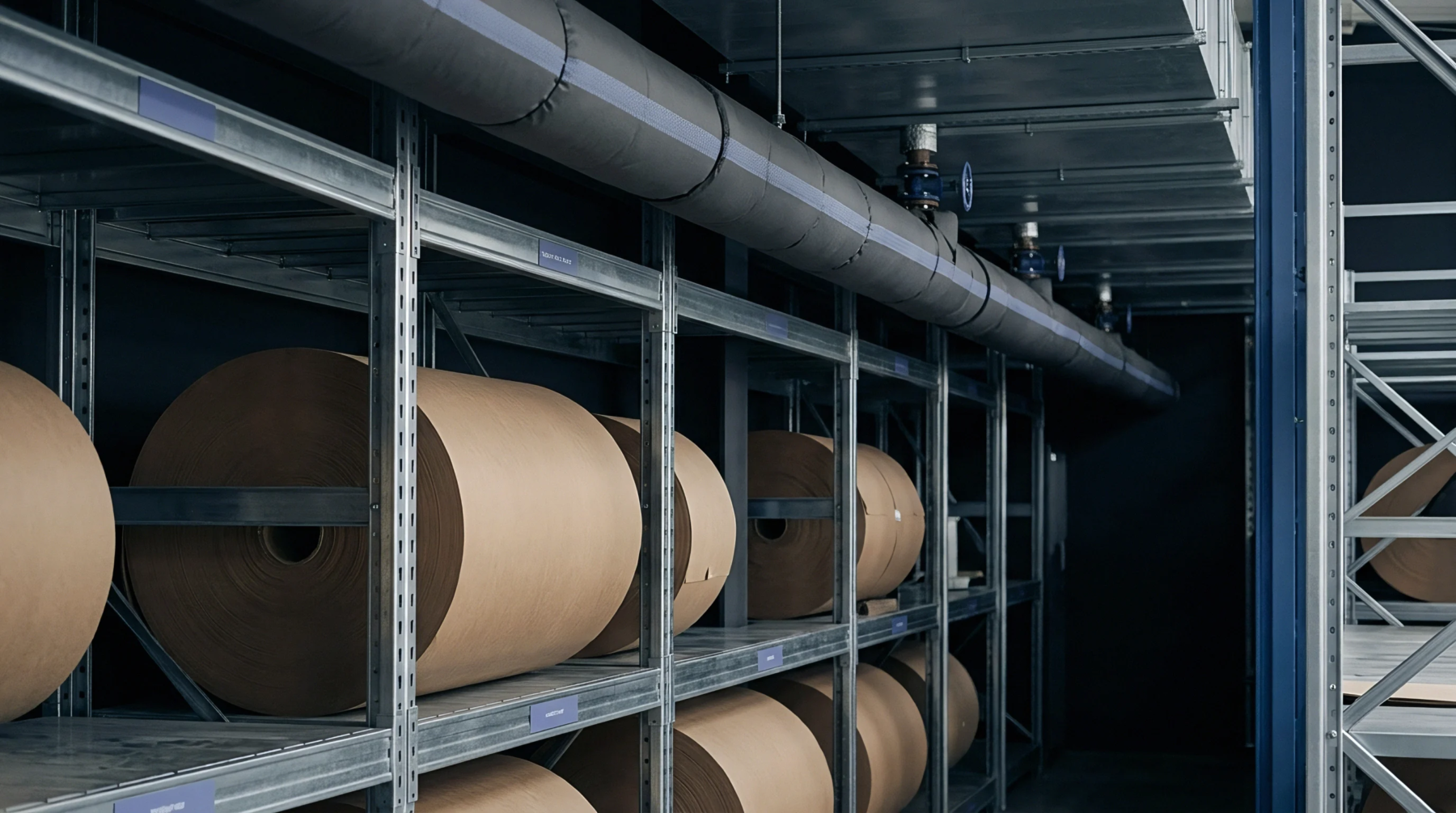
Public scope schedule verification requires matching board product categories and claim systems on official registers to downstream delivery notes.

Verify mill test certificates against ISO 2859 sampling on arrival; static swatches omit deckle variance, transit moisture creep, and food migration risks.

A converter's chain of custody certificate cannot retroactively grant certified status to packaging made from uncertified paper mill substrate.
Expertise is a utility, not a secret. sentiention™ publishes its working knowledge as open reference: intelligence layer covering the materials it sources, the markets it enters, and the reference that serves both.