
Contact Angle Analysis for Surface Decay in Polyurethane Film
Contact angle analysis detects hydrophobic recovery and additive blooming in polyurethane films before lamination failure occurs on high-speed converting lines.
Contact angle analysis detects hydrophobic recovery and additive blooming in polyurethane films before lamination failure occurs on high-speed converting lines.

Dynamic surfactant competition at 1-3 ms surface ages governs air entrainment boundaries in curtain heels operating above 1,200 metres per minute.

Dynamic contact angle decay within 10 to 100 milliseconds governs liquid holdout and adhesion on paperboard, requiring tight surfactant diffusion control.
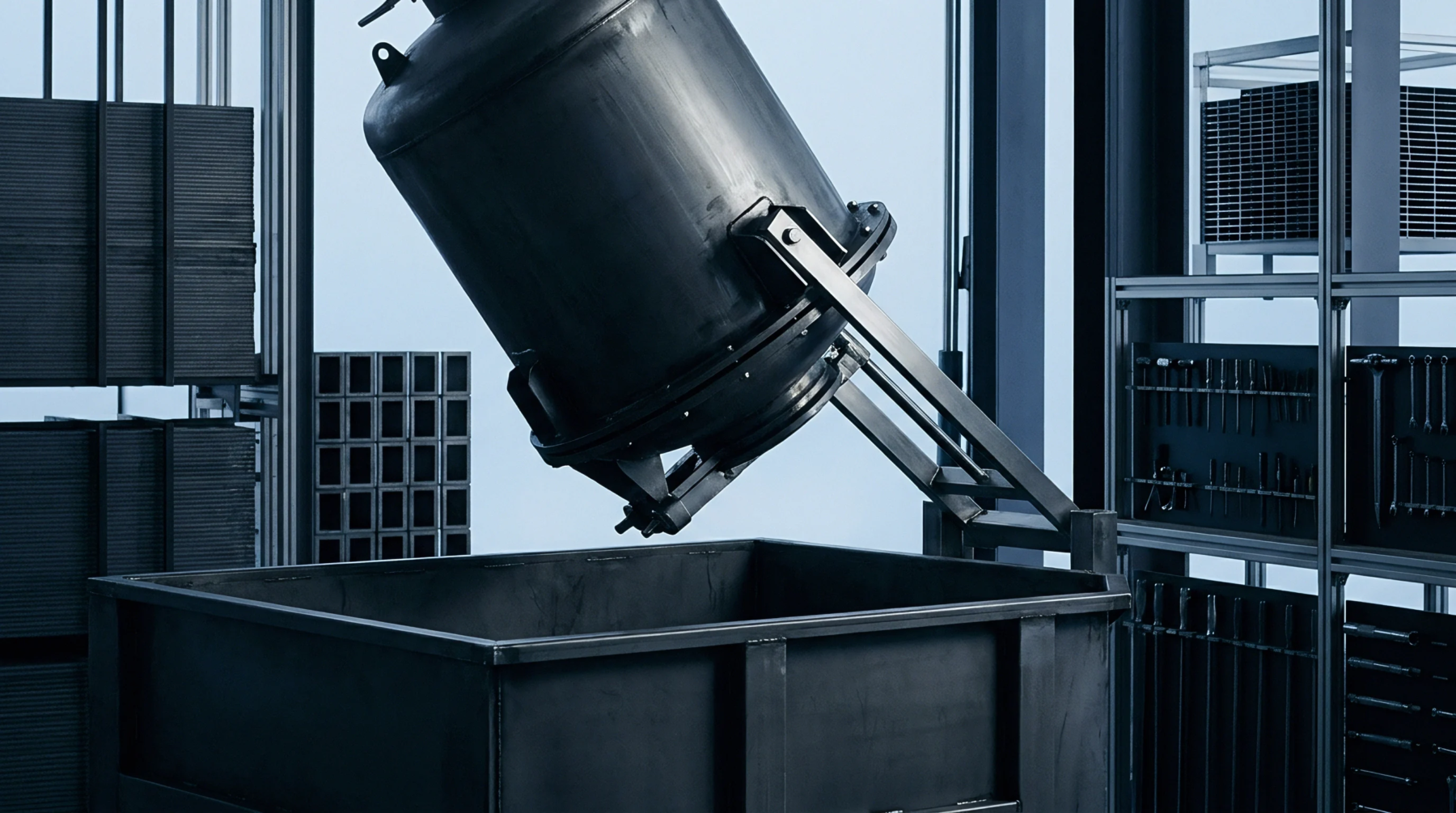
Dynamic fluid transport in lightweight coated sheets shifts from inertial to capillary control within milliseconds, demanding balanced pore throat sizing.

Dynamic surface tension gradients in recycled paperboard cause capillary stalling, uneven ink penetration, and severe converting spoilage.

Dynamic contact angle relaxation rates dictate air entrainment and streak defect thresholds in high speed blade coating systems operating above 1200 m/min.
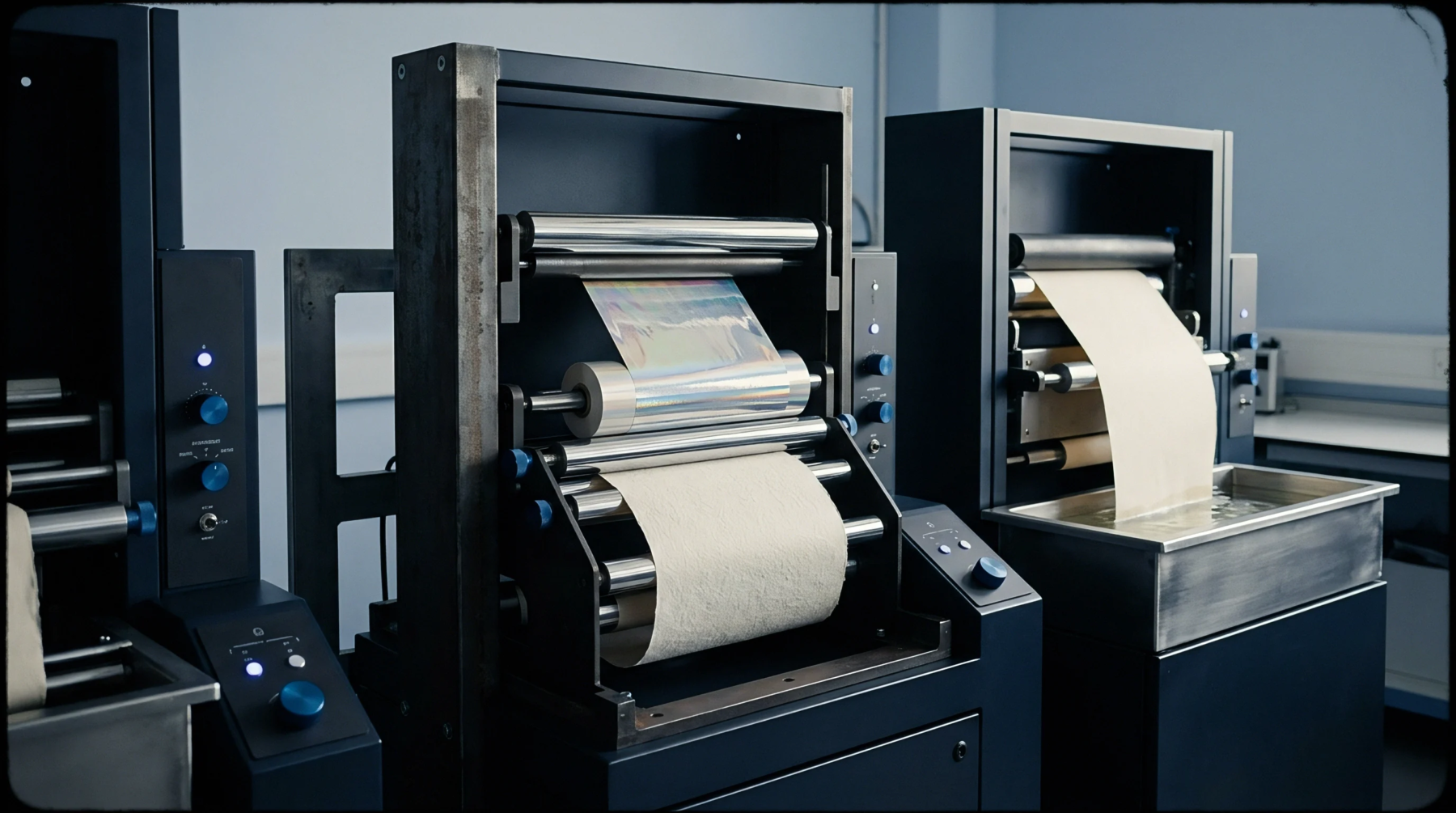
Dynamic surface tension at millisecond surface ages dictates liquid curtain stability and dynamic wetting limits in paperboard coating operations.

Surfactant diffusion kinetics govern dynamic surface tension within millisecond curtain residence times, dictating high-speed air entrainment speed thresholds.

Capillary absorption kinetics in lightweight coated virgin papers depend on pigment packing geometry, binder distribution, and sub-micron pore radii.
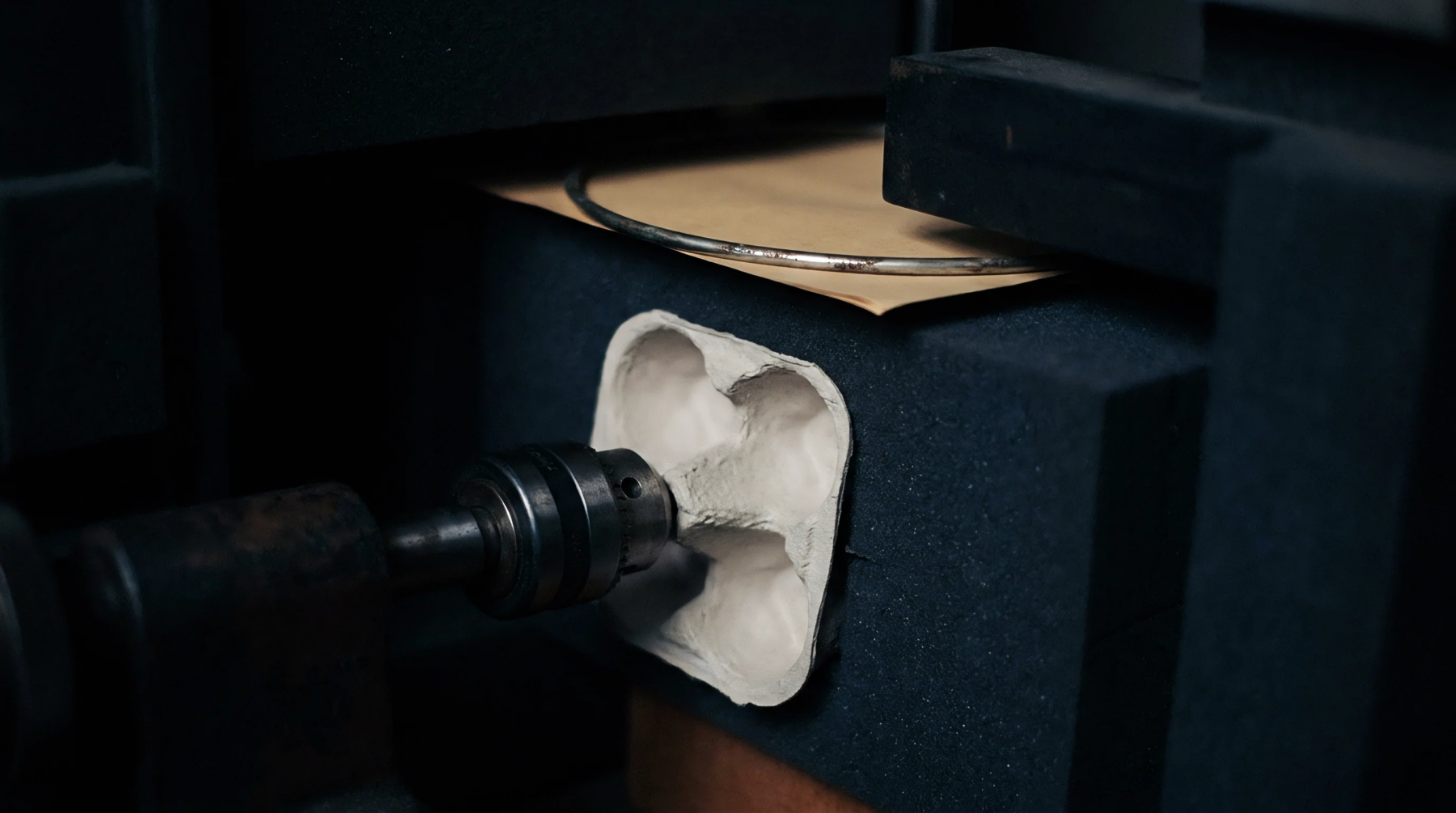
Dynamic surface tension reduction below 40 mN/m within 10 milliseconds prevents air entrainment, enabling coater speed increases above 1,300 m/min.
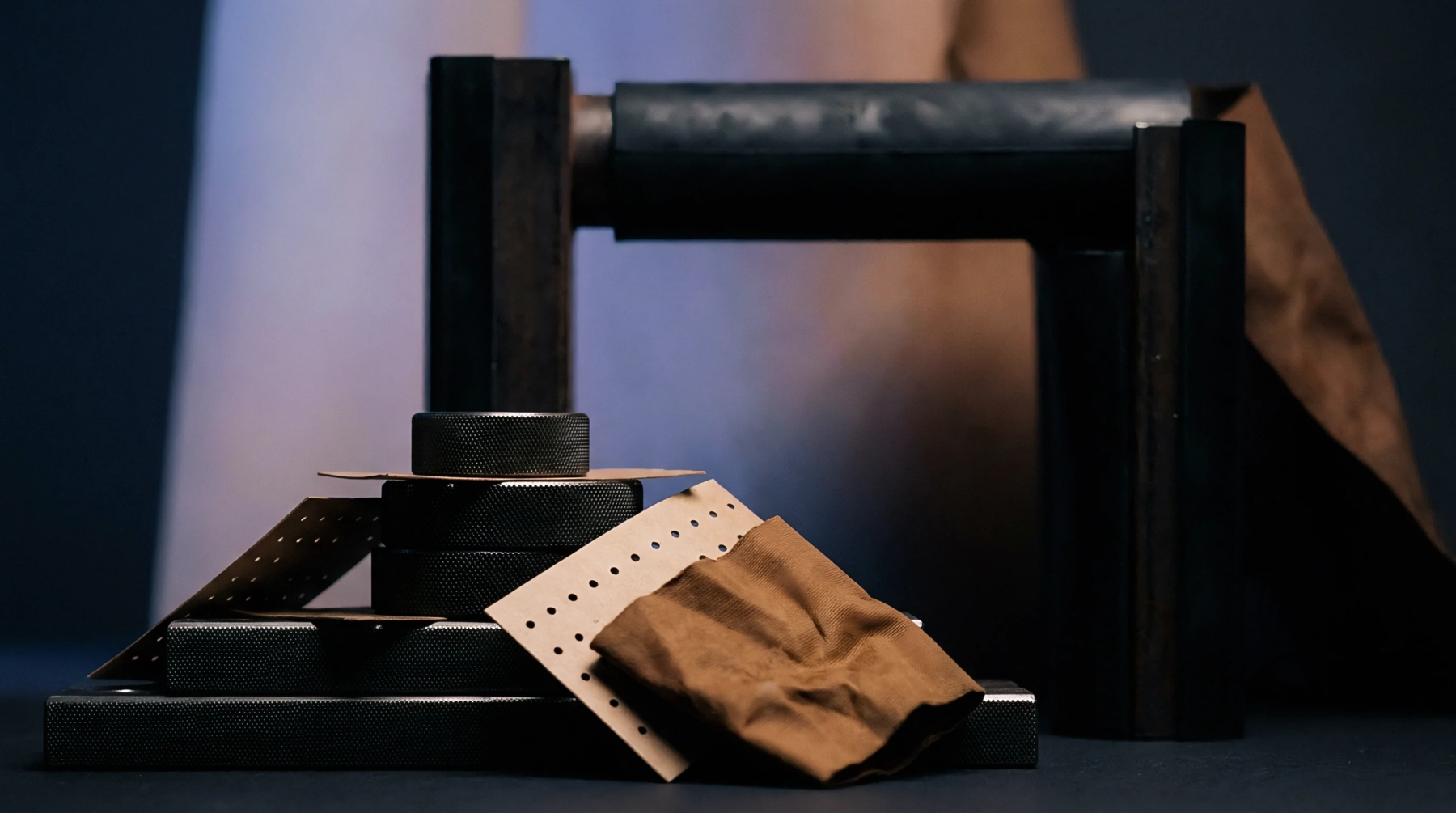
Micro-porous paper coating capillary dimensions govern dynamic ink vehicle filtration rates, ink setting speeds, press energy consumption, and total converted sheet yield.
Expertise is a utility, not a secret. sentiention™ publishes its working knowledge as open reference: intelligence layer covering the materials it sources, the markets it enters, and the reference that serves both.