Rotational Alignment
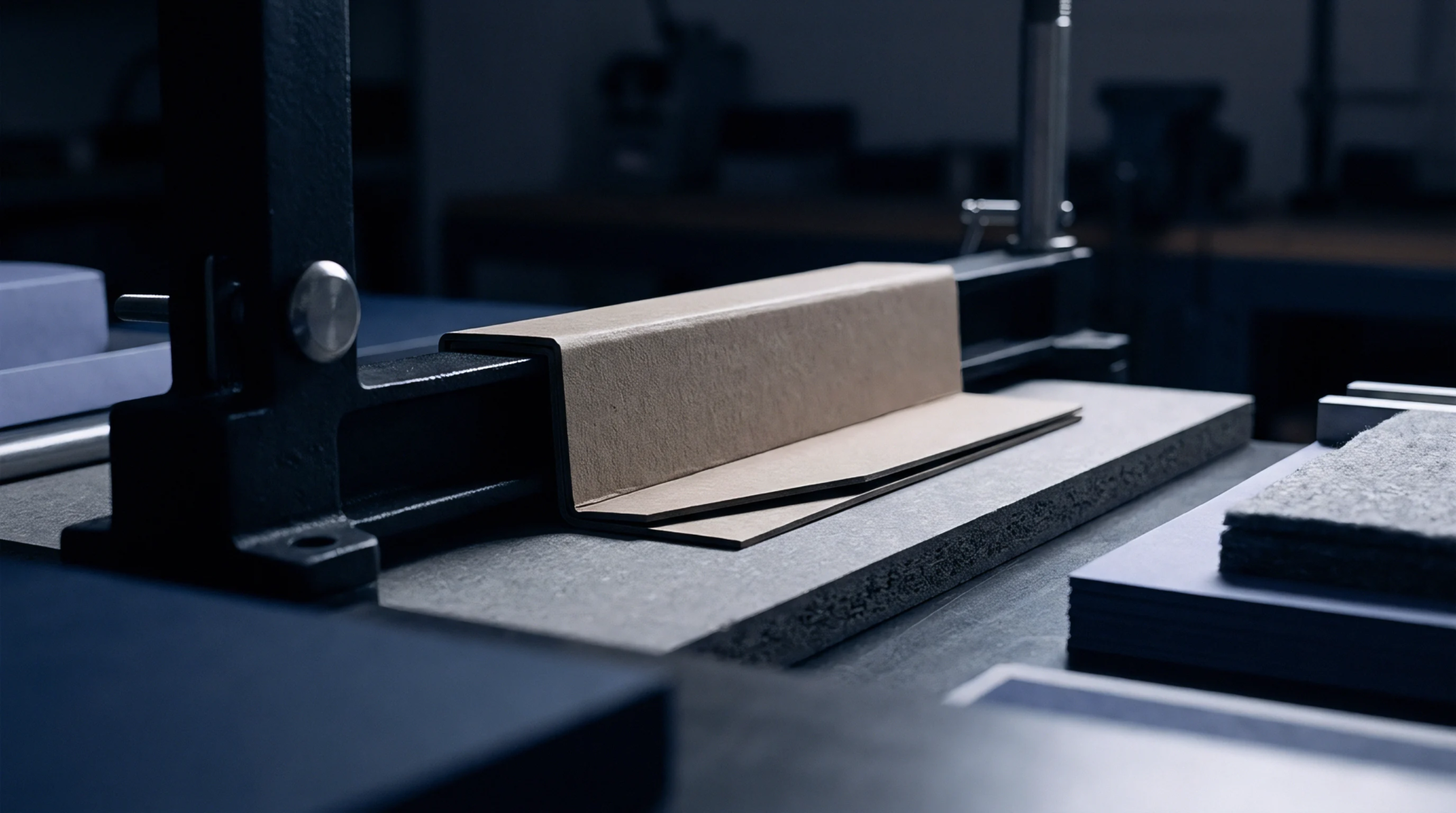
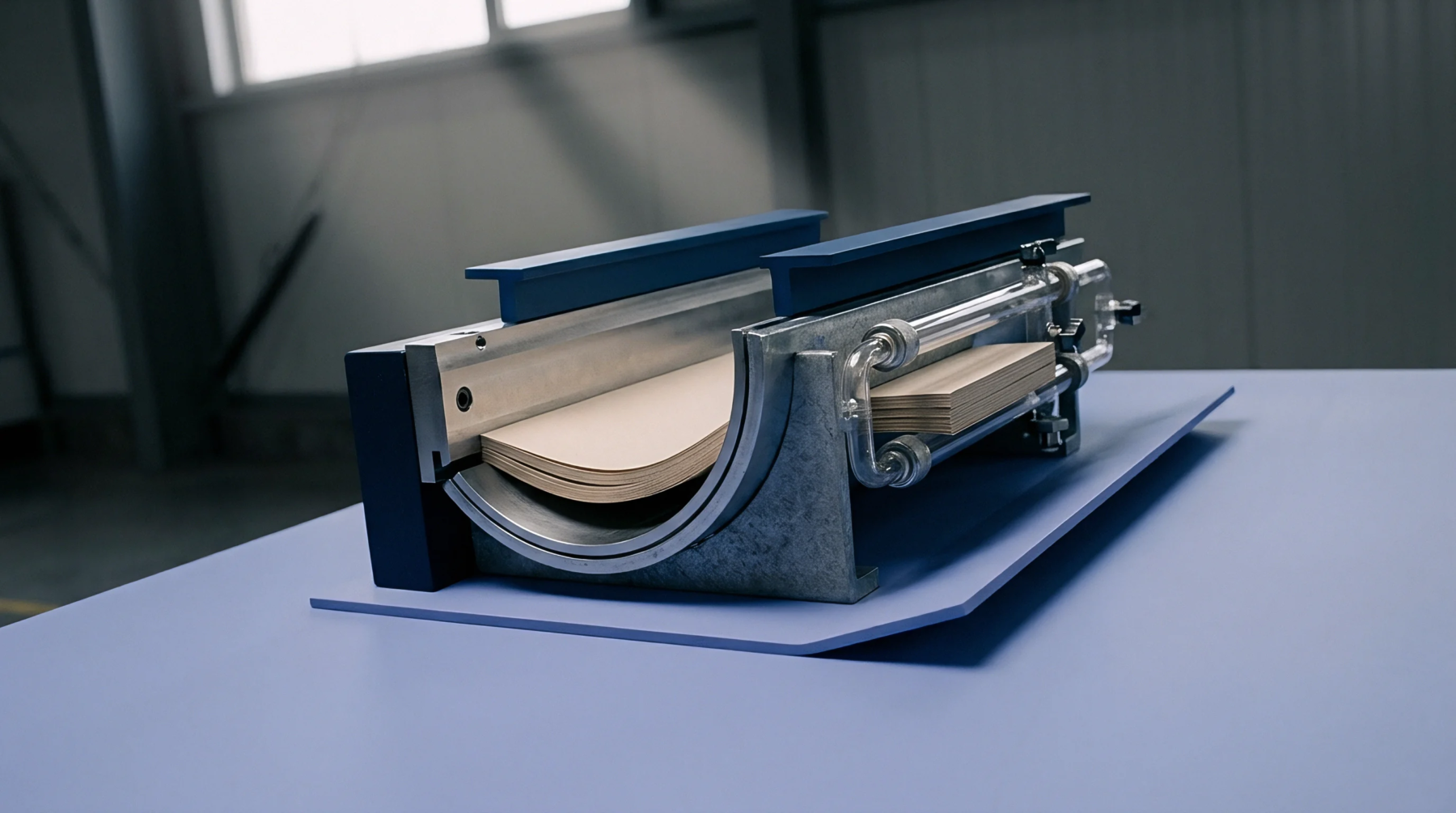
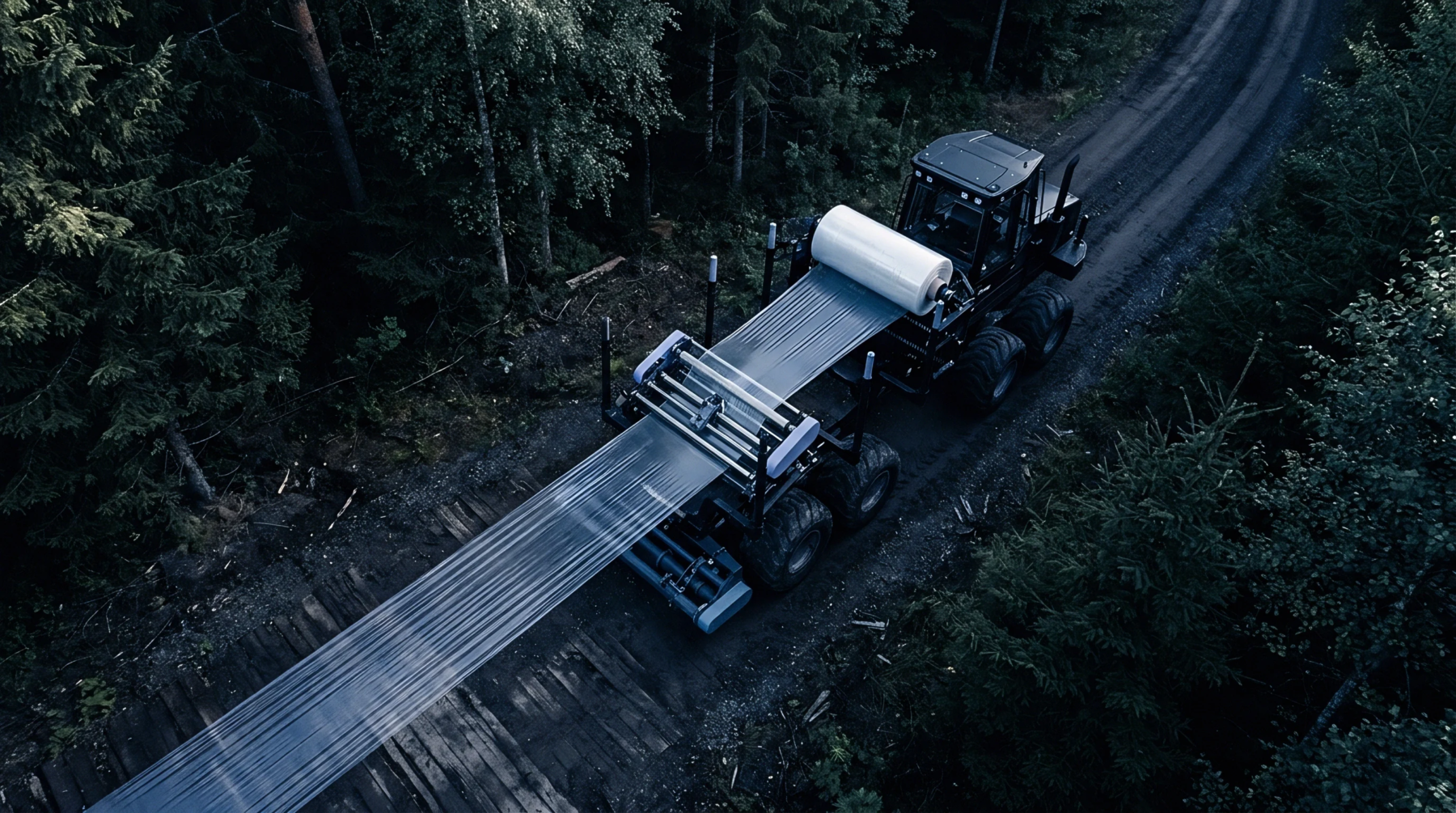
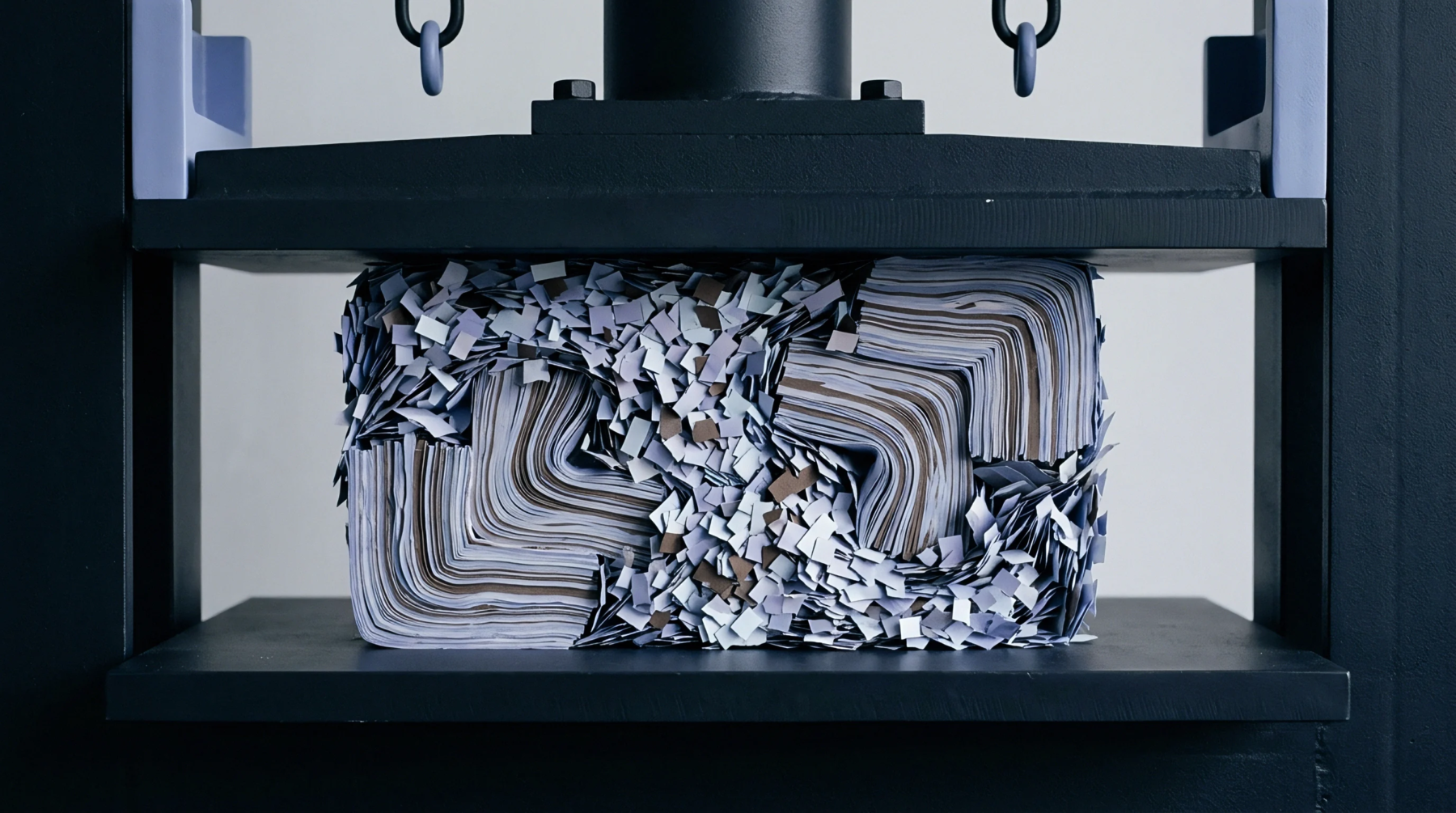
Cylindrical engraving depth discrepancy during rotary die cutting defines the female matrix channel on solid steel tooling. Rotary converting presses hold strict tolerances across high speed web runs where misregistration causes substrate tearing or incomplete scoring. Die makers cut the female matrix channel into the anvil cylinder to receive excess matrix waste during pressure sensitive label stripping.
Hardened steel substrates require precise milling parameters to maintain clean edge shearing against the male cutting rule.
Channel Geometry
Microscopic clearance variations along the female matrix channel alter waste stripping tension and web stability. Tool designers calculate depth and wall angle parameters according to face stock caliper and adhesive coat weight. Excessive channel depth permits lateral label lifting during high speed separation cycles while insufficient clearance induces web breakage.
Stripping angles must match the web exit trajectory to eliminate adhesive contamination inside the tool cavity.
Wear Characteristics
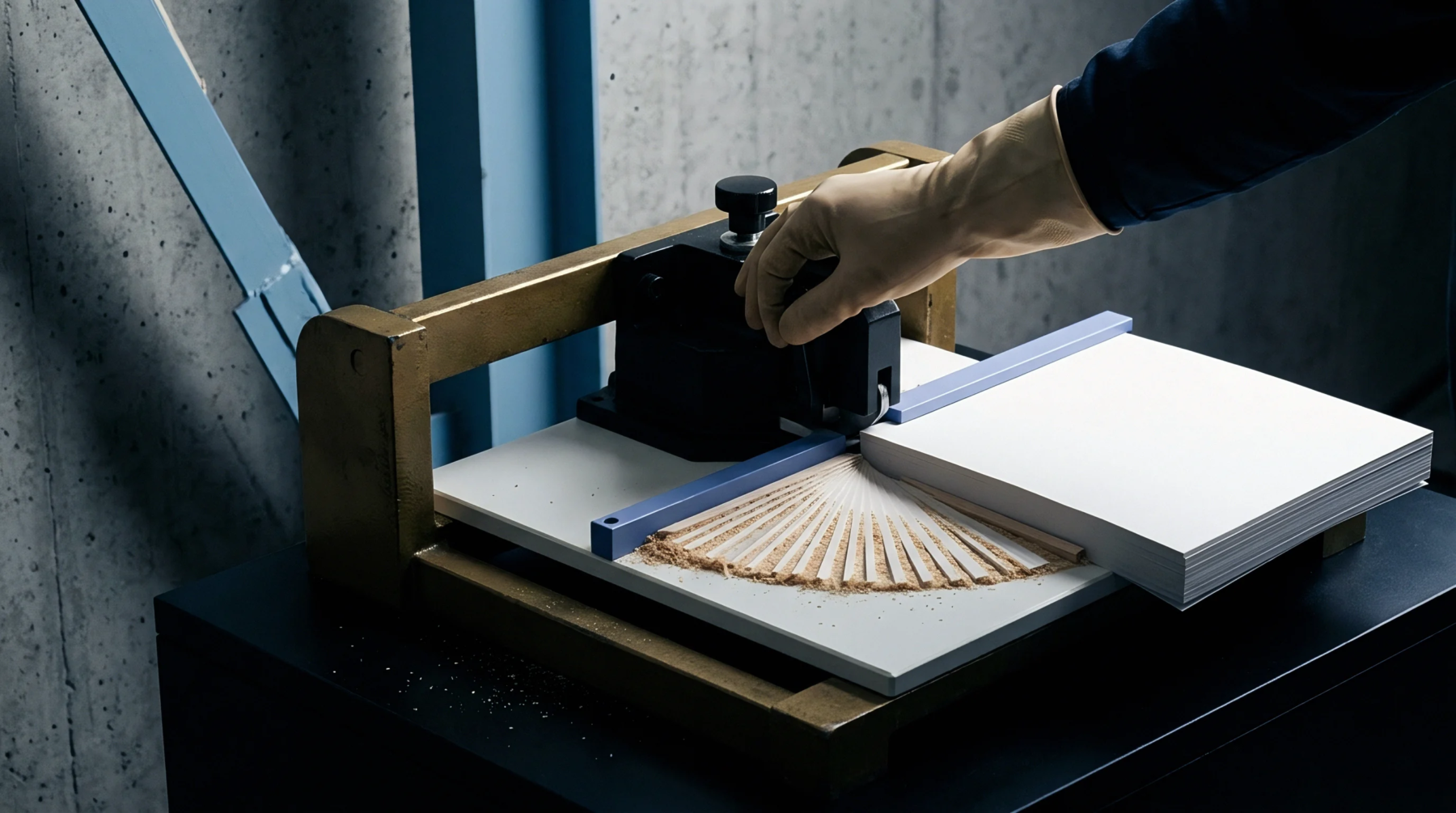
Frictional contact between the stripping web and the female matrix channel sidewalls produces abrasive degradation over extended production runs. Tool longevity depends on surface hardening treatments applied after precision CNC milling operations finish the cylinder profile. Thermal expansion differentials during continuous running alter effective channel width and require coolant temperature regulation on wide web presses.
Proper lubrication schedules prevent adhesive build up and maintain consistent stripping force across millions of conversion revolutions.