
Anisotropic Thermal Strain Mapping across Large Format Heated Platen Brass Die Chases
Pre-scaling brass die vector artwork based on directional thermal strain maps eliminates press registration drift across large format heated platens.
Pre-scaling brass die vector artwork based on directional thermal strain maps eliminates press registration drift across large format heated platens.
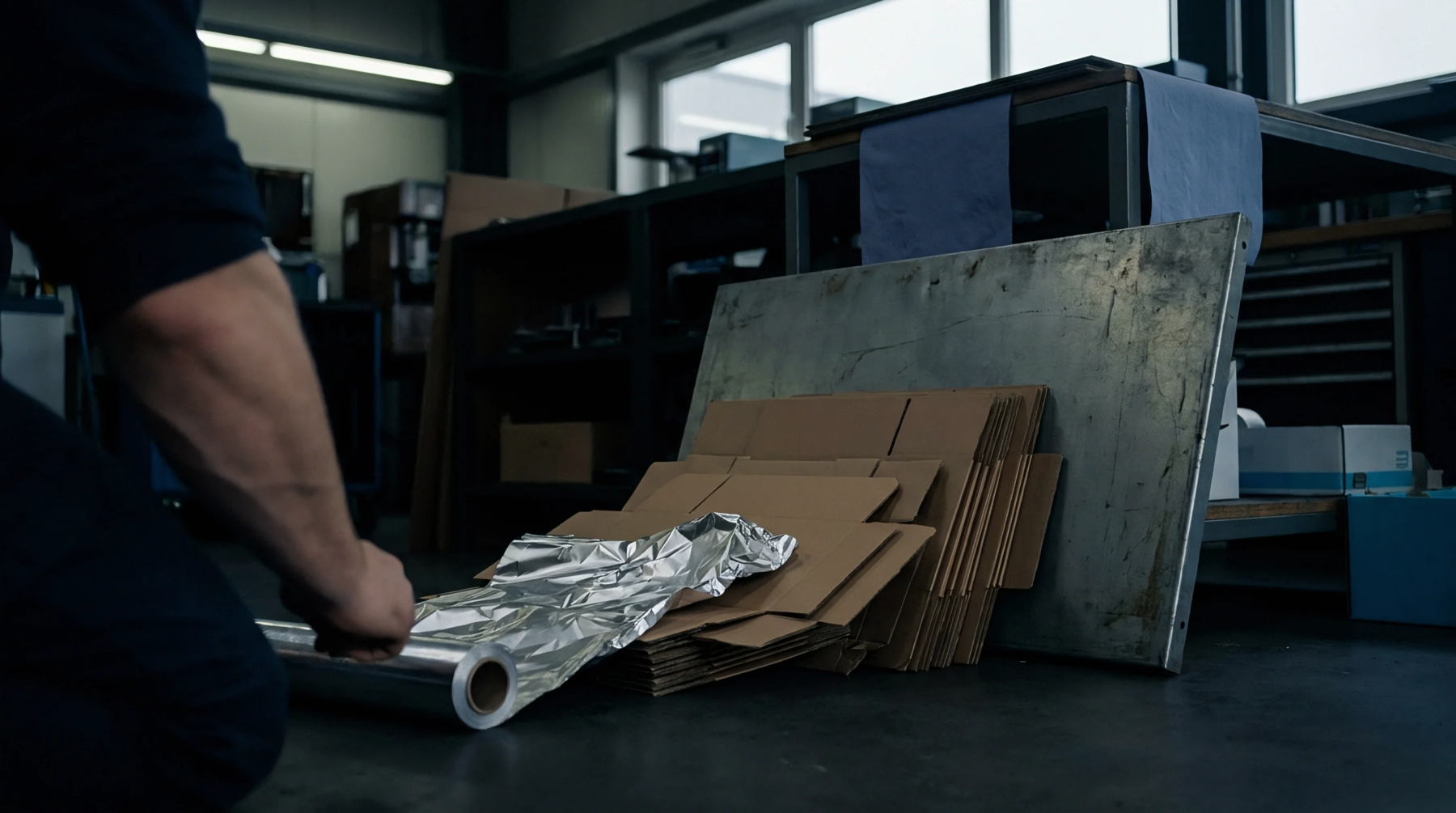
Substrate desiccation during heated stamping alters sheet dimensions, requiring differential die scaling and controlled humidity recovery between passes.
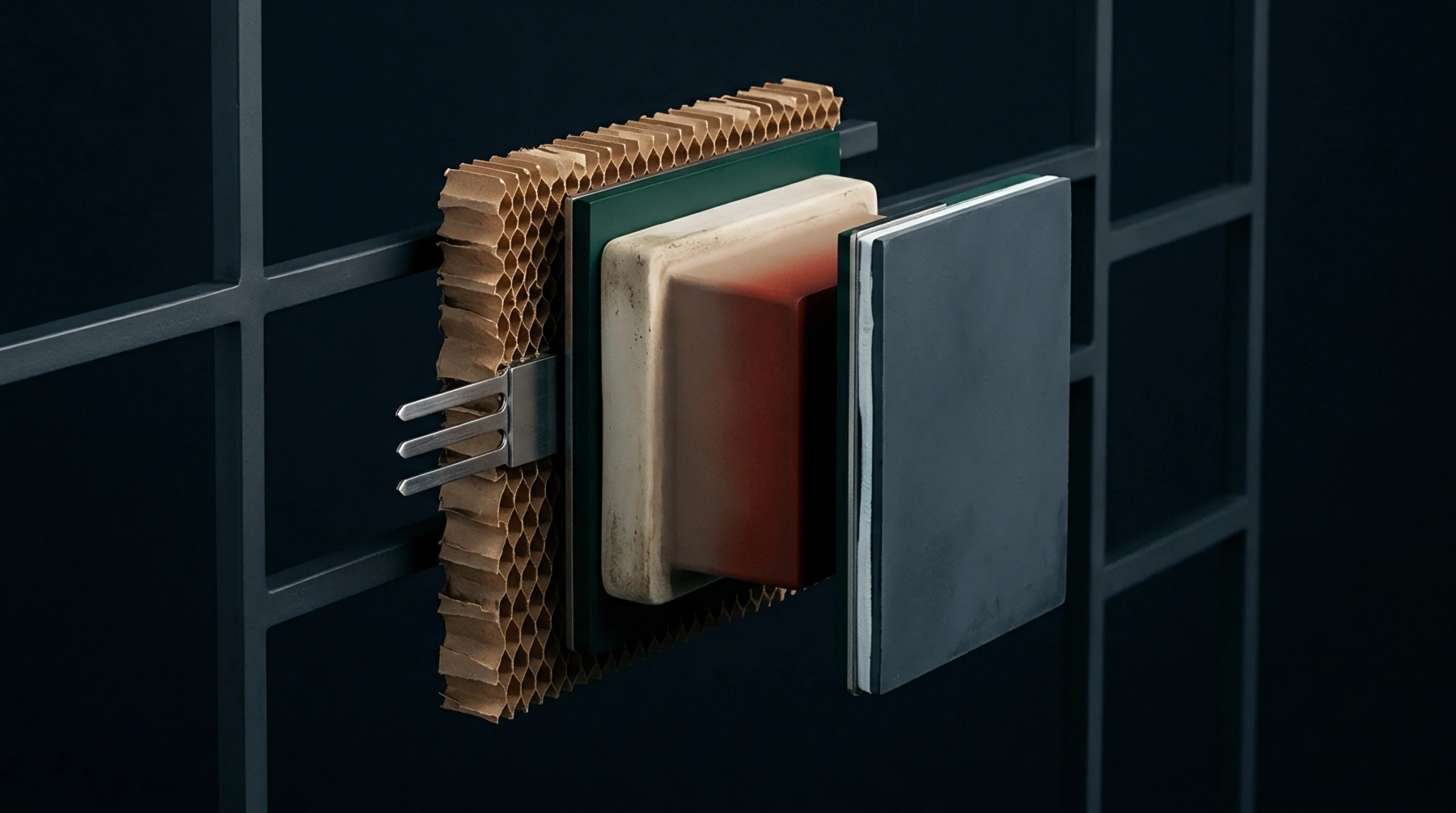
Dynamic platen converting above 7,500 sph degrades board core shear modulus by up to 60 percent, demanding calibrated matrix tooling to prevent carton collapse.
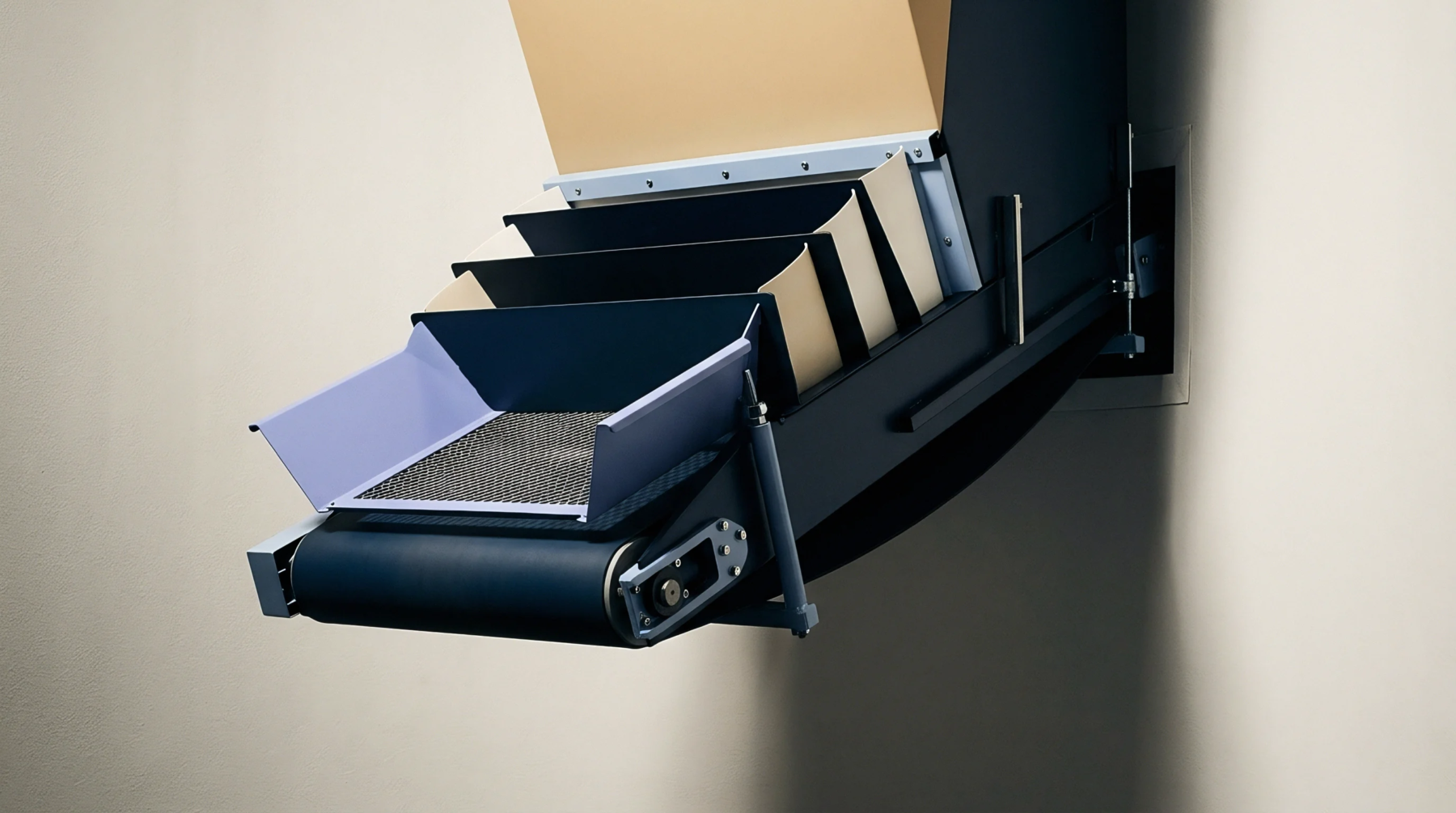
Moisture plasticizes secondary fibre bonds, reducing Mode I and II fracture energy thresholds and causing delamination during thermal finishing and creasing.

Dynamic Scott Bond impact and static Z-tensile testing verify multi-ply recycled board strength to prevent costly delamination during foil stamping and creasing.
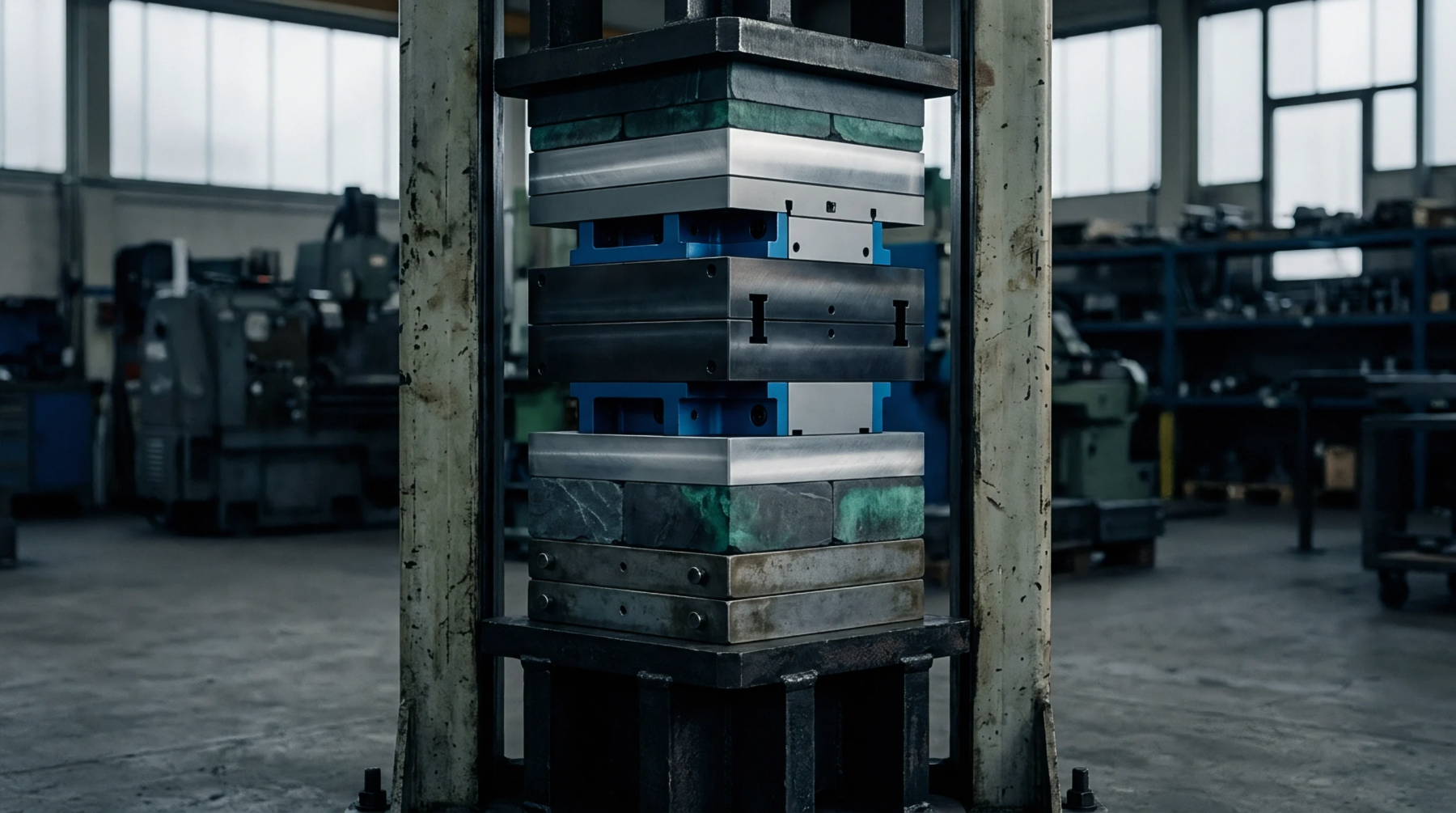
Predict dynamic thermal expansion and counterforce creep using alloy scaling factors and glass-transition temperature limits to maintain stamping register.
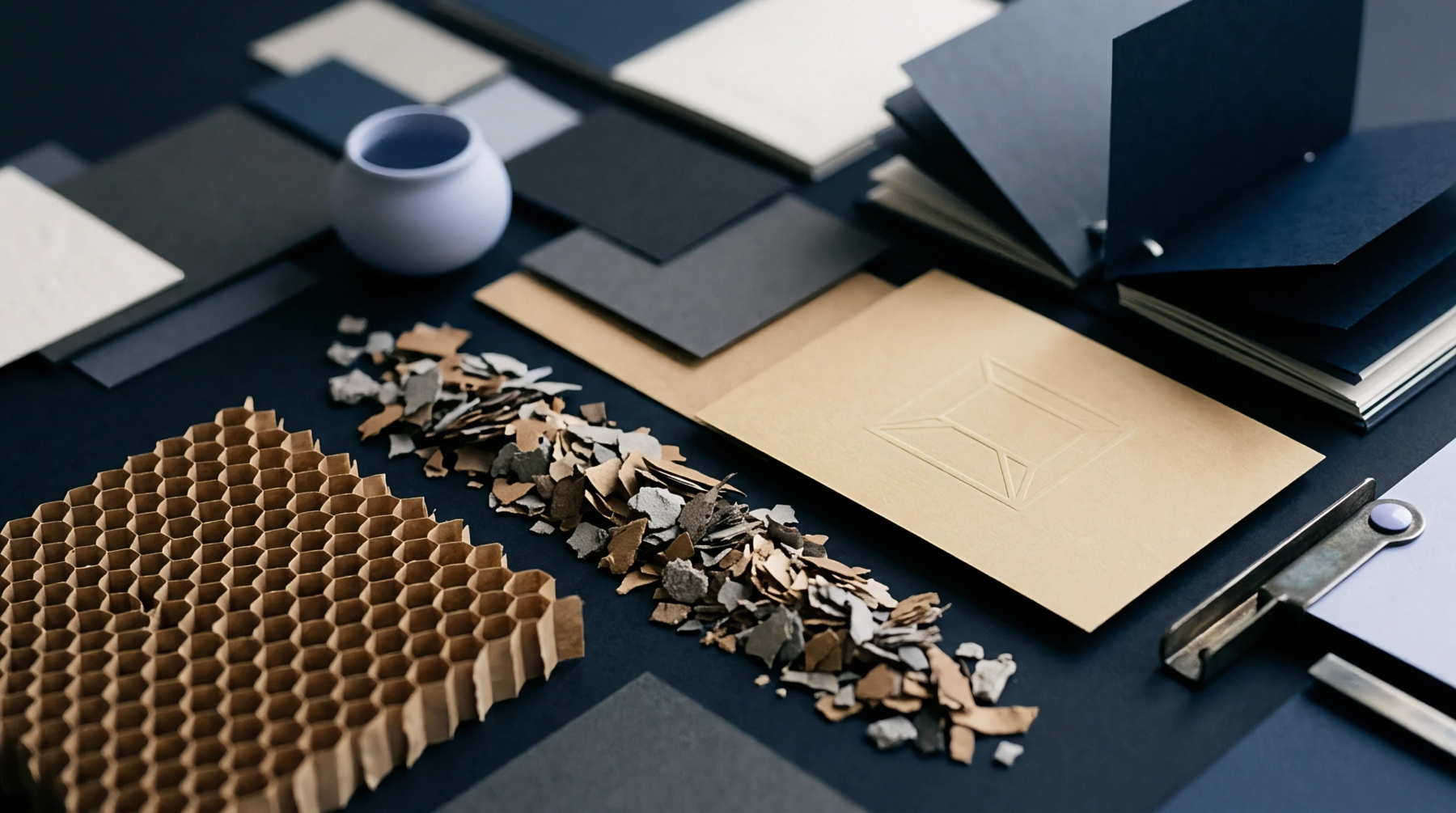
Managing thermal expansion in brass embossing dies requires pre-scaling vector artwork by calculating precise isotropic expansion across operating press temperatures.
Inline blade coating and soft-nip calendering establish surface uniformity, while targeted finishing passes balance visual embellishment against repulpability.
Pass order determines surface energy, registration accuracy, recyclability, and unit scrap rates across multi-step print converting runs.

Digital spot UV beats hot foil stamping on setup costs below 3,400 B2 sheets at 5% coverage, beyond which low foil area costs surpass high fluid burn.
Expertise is a utility, not a secret. sentiention™ publishes its working knowledge as open reference: intelligence layer covering the materials it sources, the markets it enters, and the reference that serves both.