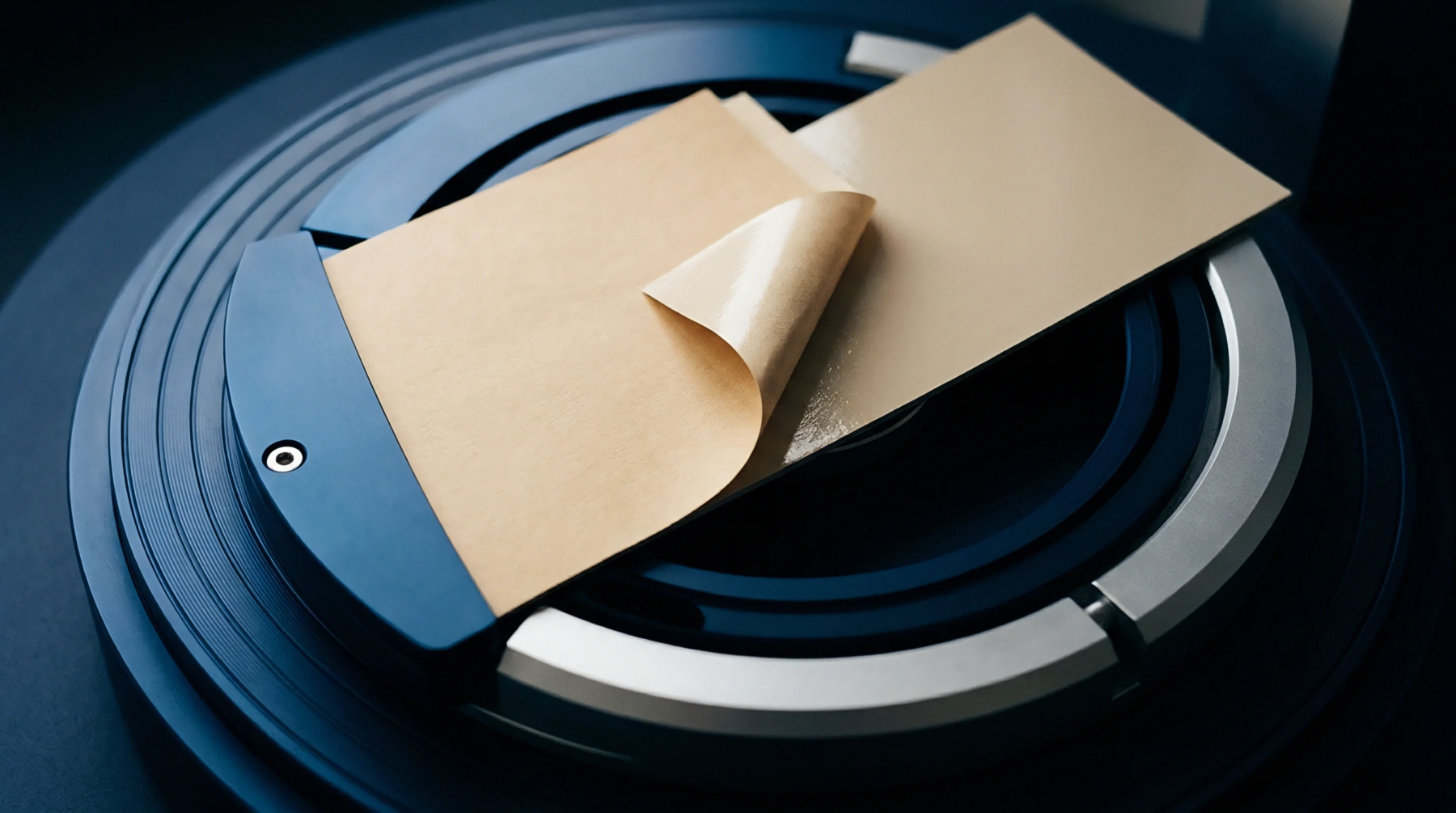
Crease Shear Resistance in Extrusion Coated Boxboard Packaging
Optimize counter-matrix width and rule penetration depth to induce internal core ply delamination while protecting outer extrusion barrier films from shearing.
Optimize counter-matrix width and rule penetration depth to induce internal core ply delamination while protecting outer extrusion barrier films from shearing.

Dynamic creasing impact compresses internal pore air into transient pressure spikes, reducing effective shear strength and causing high-speed ply blowout.

Predicting interfacial delamination thresholds in recycled boxboard requires quantifying Mode II shear fracture toughness and adjusting crease matrix channel dimensions to prevent hinge failure under cyclic loading.
Cyclic microclimates degrade recycled paperboard inter-ply shear strength through moisture expansion mismatch and starch bond mechanical fatigue.
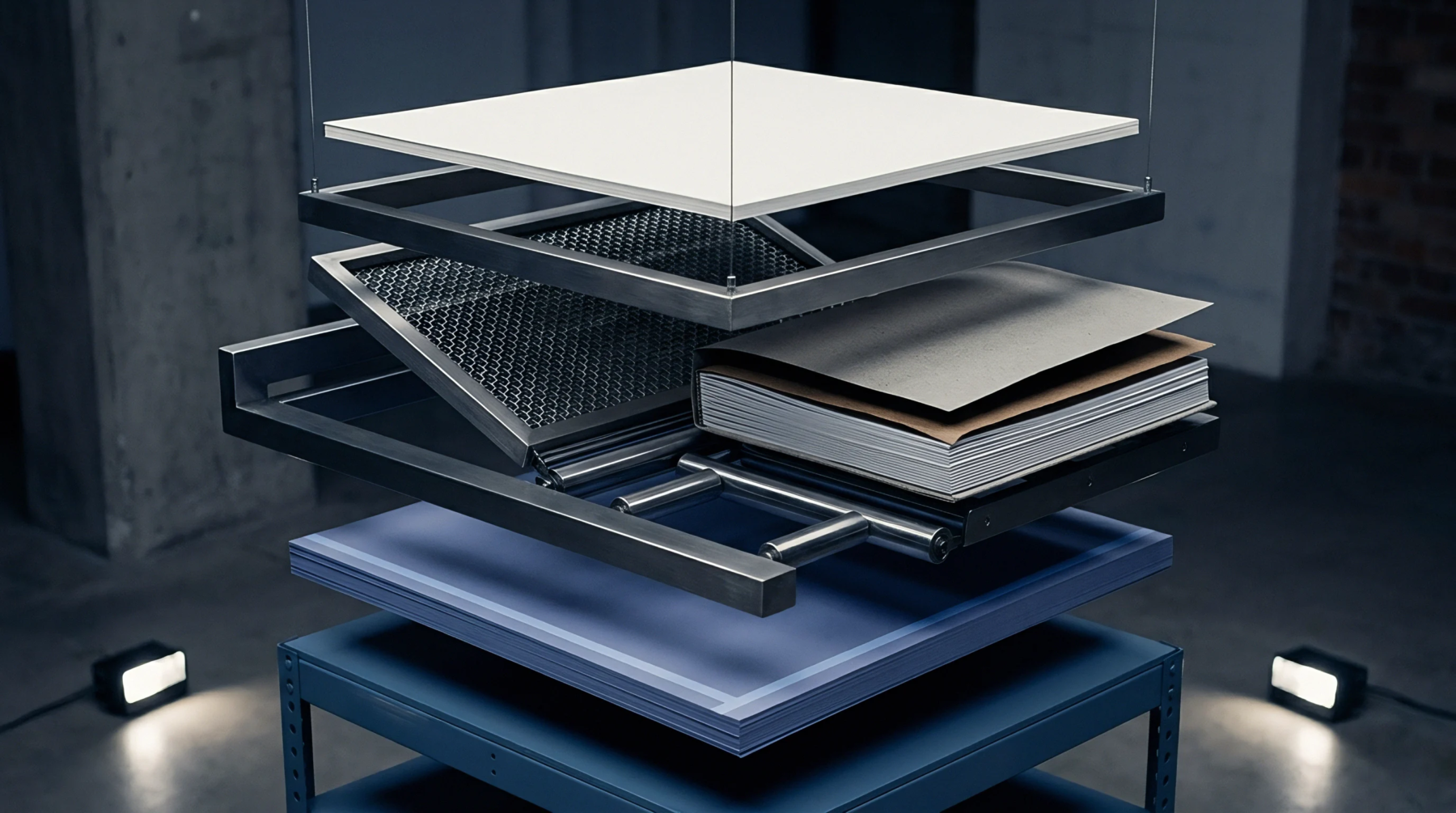
Predicting paperboard delamination requires balancing Z-direction shear strength to permit core separation while preventing outer liner tensile fracture.
Controlled low energy refining of middle ply mechanical pulp yields superior Z direction tensile development without caliper loss in multi ply boxboard.
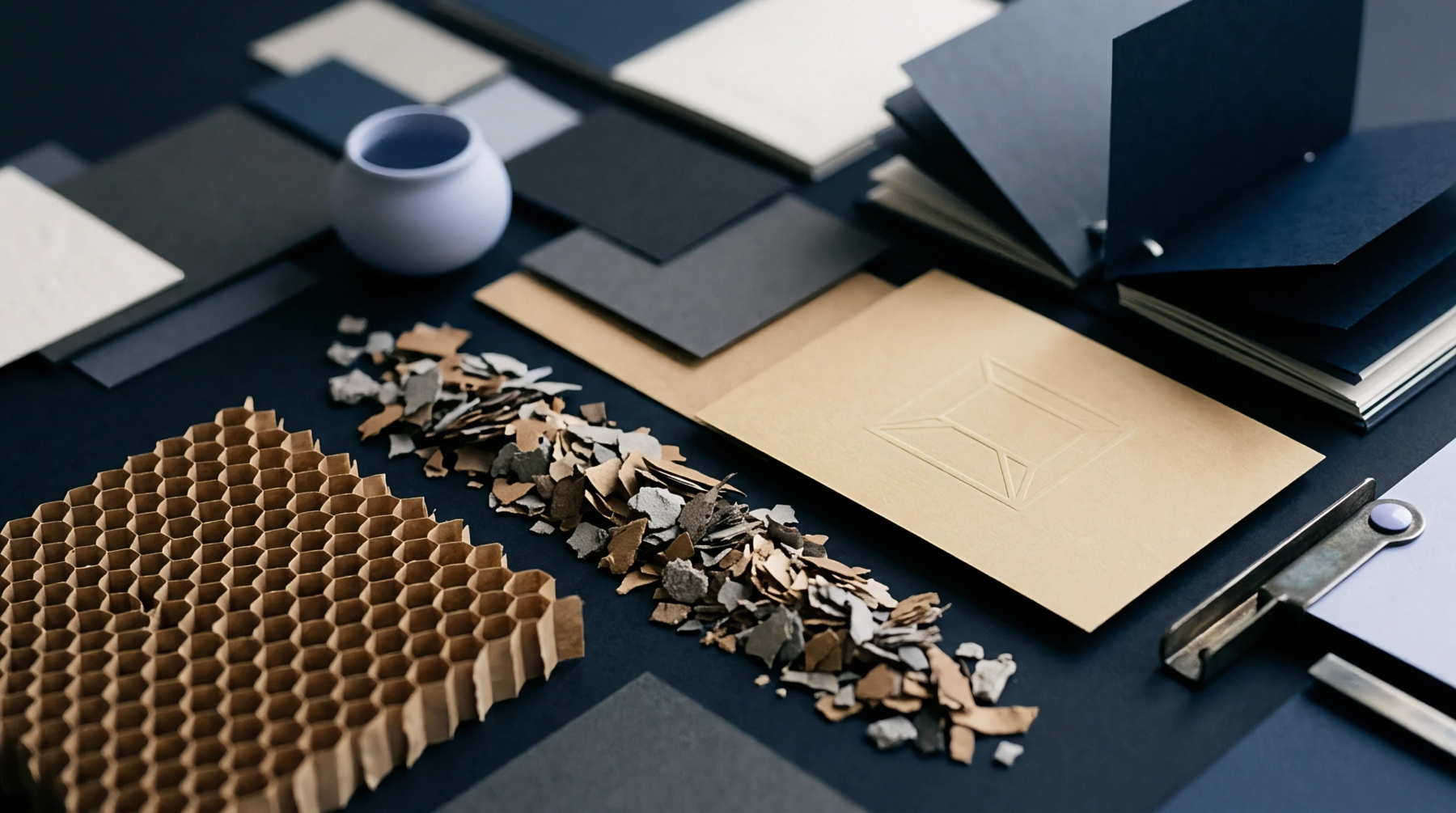
Matching dynamic Scott Bond energy above 120 J/m² prevents high-speed folder-gluer delamination and reduces net carton cost through lower line scrap.
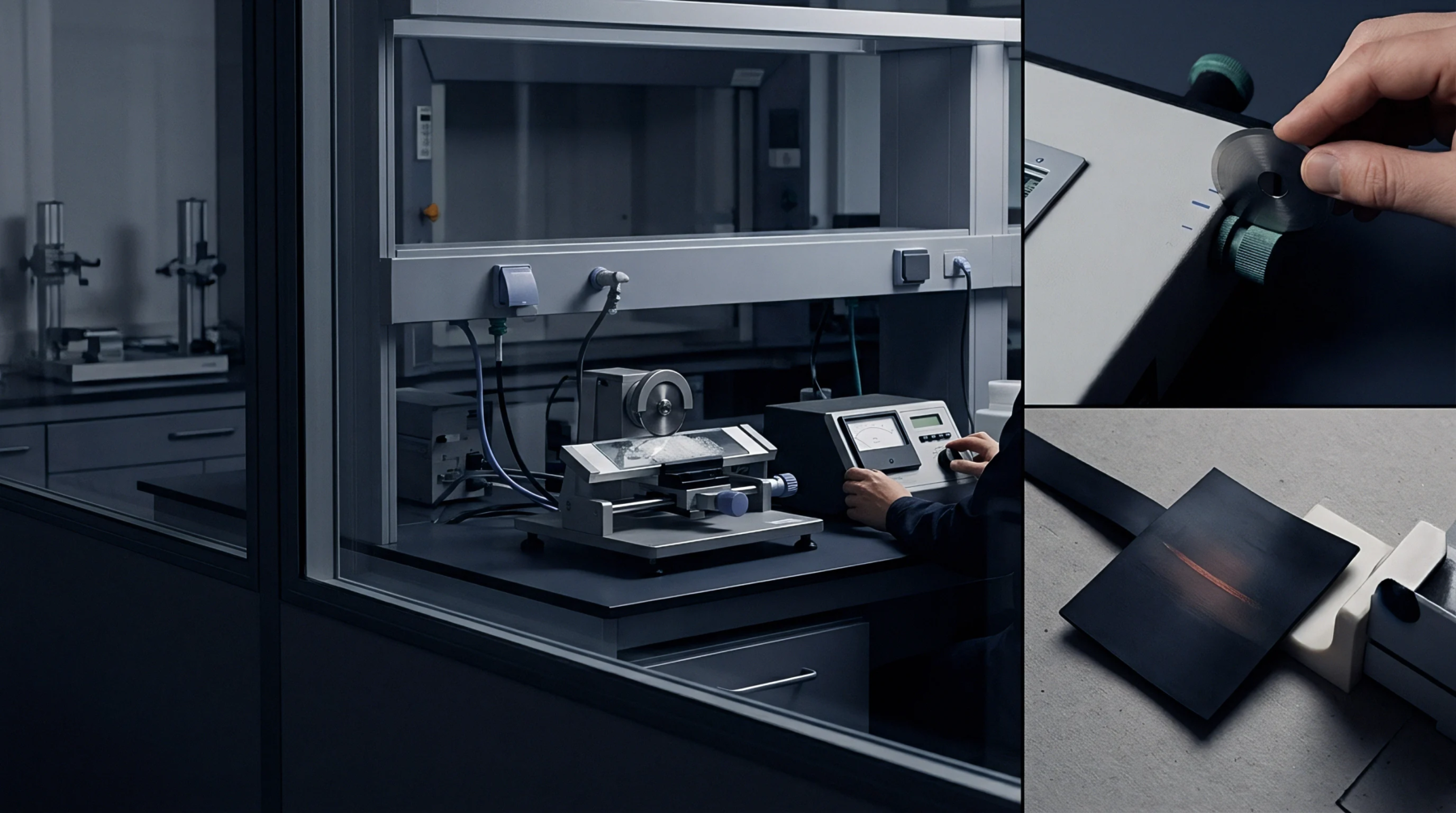
Paperboard physical property verification requires strict ISO 187 conditioning and standardized test methods to ensure compliance and prevent customs holds.

Interfacial shear delamination in dispersion-coated folding boxboards occurs when converting flexure stresses exceed polymer-fiber bond fracture energy.
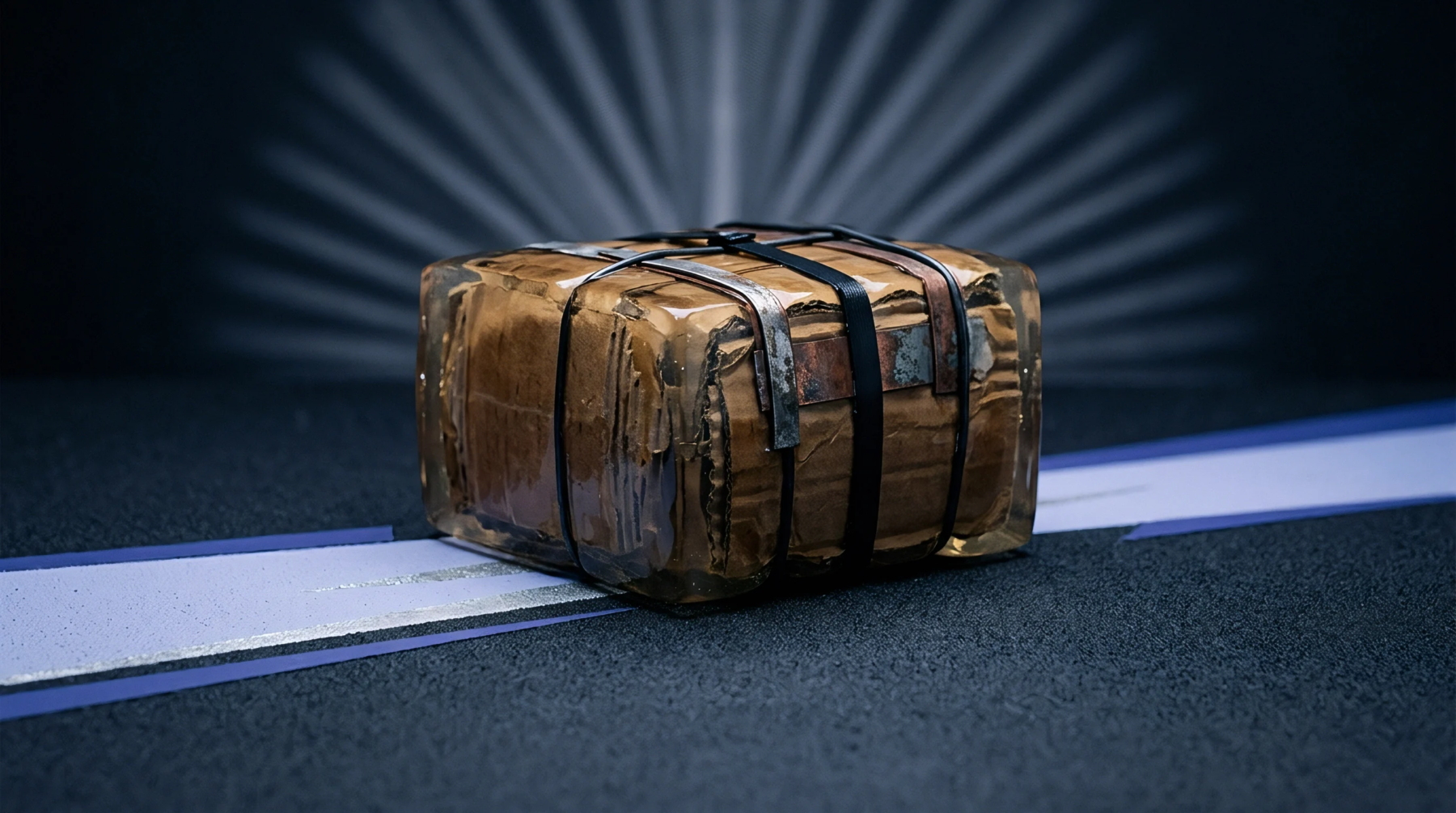
Dynamic delamination thresholds in recycled calipers dictate converted score integrity, requiring minimum inter-ply shear energy dissipation under high strain rates.
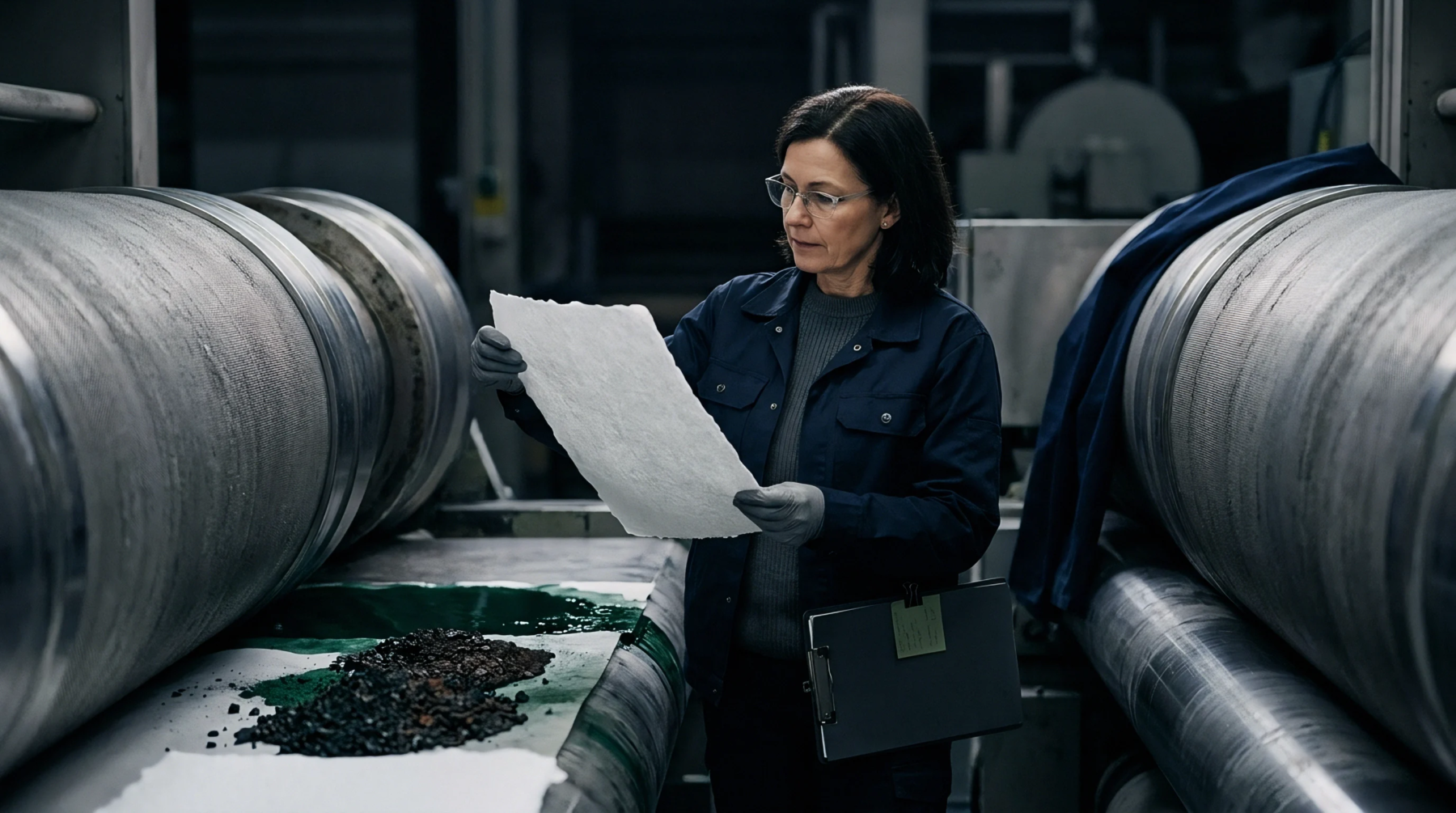
Recycled boxboard interlaminar shear thresholds decay non-linearly above 65% RH due to fiber hornification and starch matrix plasticization.
Dynamic platen impression adjustment balances platen bow and speed-dependent viscoelastic strain to eliminate liner cracking in multi-ply cartonboard.
Optimizing shoe press peak pressure and wet-end couch solids maximizes inter-ply bond strength in multi-ply recycled fiber formations.
Controlled inter-ply shear delamination inside the middle layers under rule stroke impact converts rigid board into thin lamina, eliminating score cracking.
Expertise is a utility, not a secret. sentiention™ publishes its working knowledge as open reference: intelligence layer covering the materials it sources, the markets it enters, and the reference that serves both.