
Determining Photoinitiator Migration Limits in Food Contact Print Finishes
Photoinitiator migration limits in food contact print finishes are determined through standardized simulant extractions quantified by GC-MS or LC-MS testing.
Photoinitiator migration limits in food contact print finishes are determined through standardized simulant extractions quantified by GC-MS or LC-MS testing.

Process capability analysis for barrier laminates requires transforming non-normal permeation data before calculating Cpk to prevent latent containment failures.

Optical specular light scattering drops as varnish micro-roughness exceeds wavelength dimensions, requiring precise rheological control and coat weight to maintain target gloss.
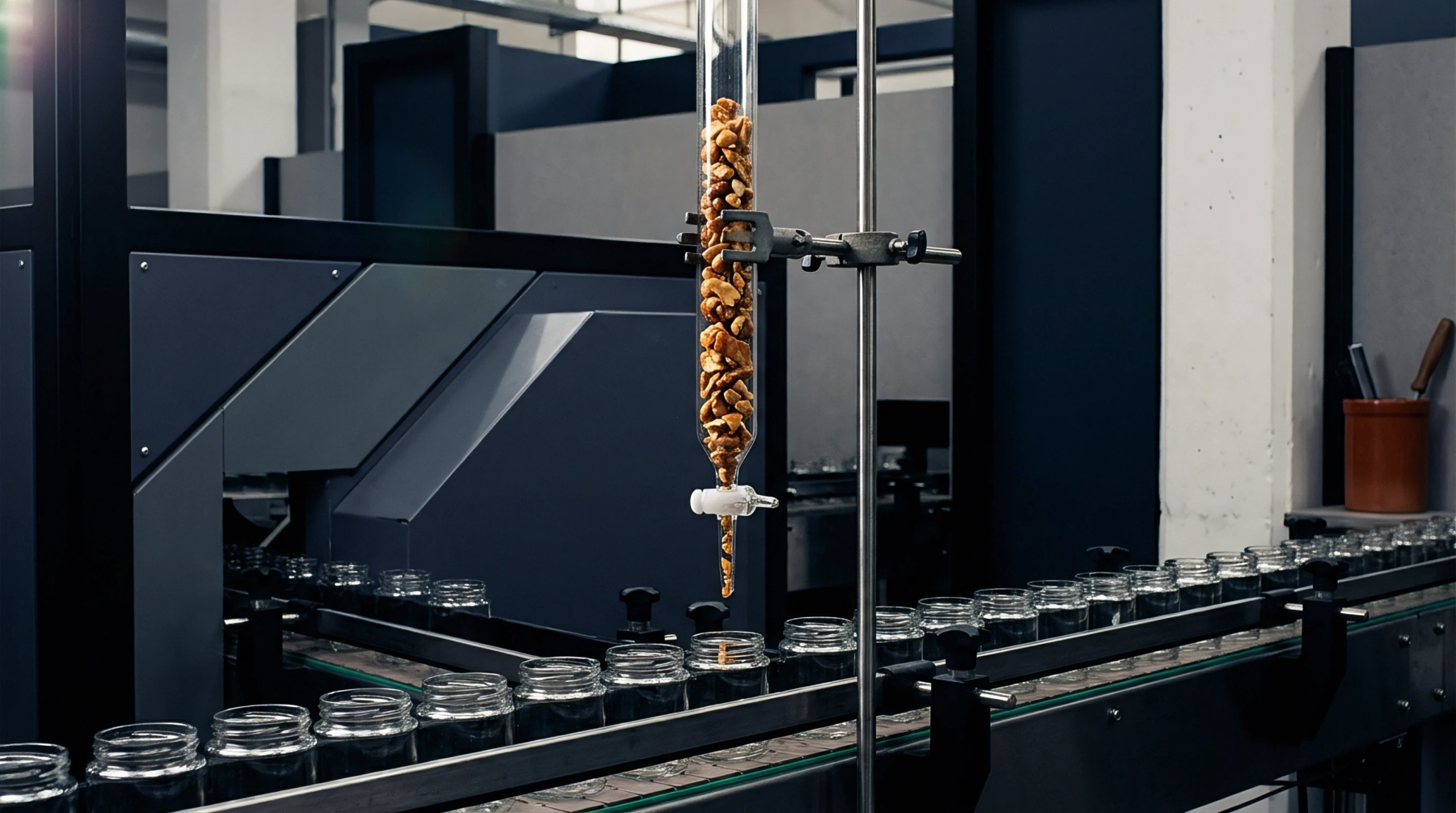
Accelerated static laboratory migration data underestimates dynamic food contact mass transfer on high-speed filling lines unless corrected for strain cracking and fluid shear.

Chromatographic identification couples GC-MS and LC-HRMS screening with Cramer classification to clear unidentified non intentionally added substances below 0.01 mg/kg.

Creasing modified latex barriers creates micro-fissures that accelerate migrant diffusion, requiring strain-matched polymer selection and standardized cell testing.

Poly(2,6-diphenyl-p-phenylene oxide) replaces liquid simulants for paperboard, preventing fiber collapse during compliance migration testing.

Polyurethane soft-touch films provide superior scratch resistance and score fold integrity compared to BOPP but require higher temperature control and lower web yields.
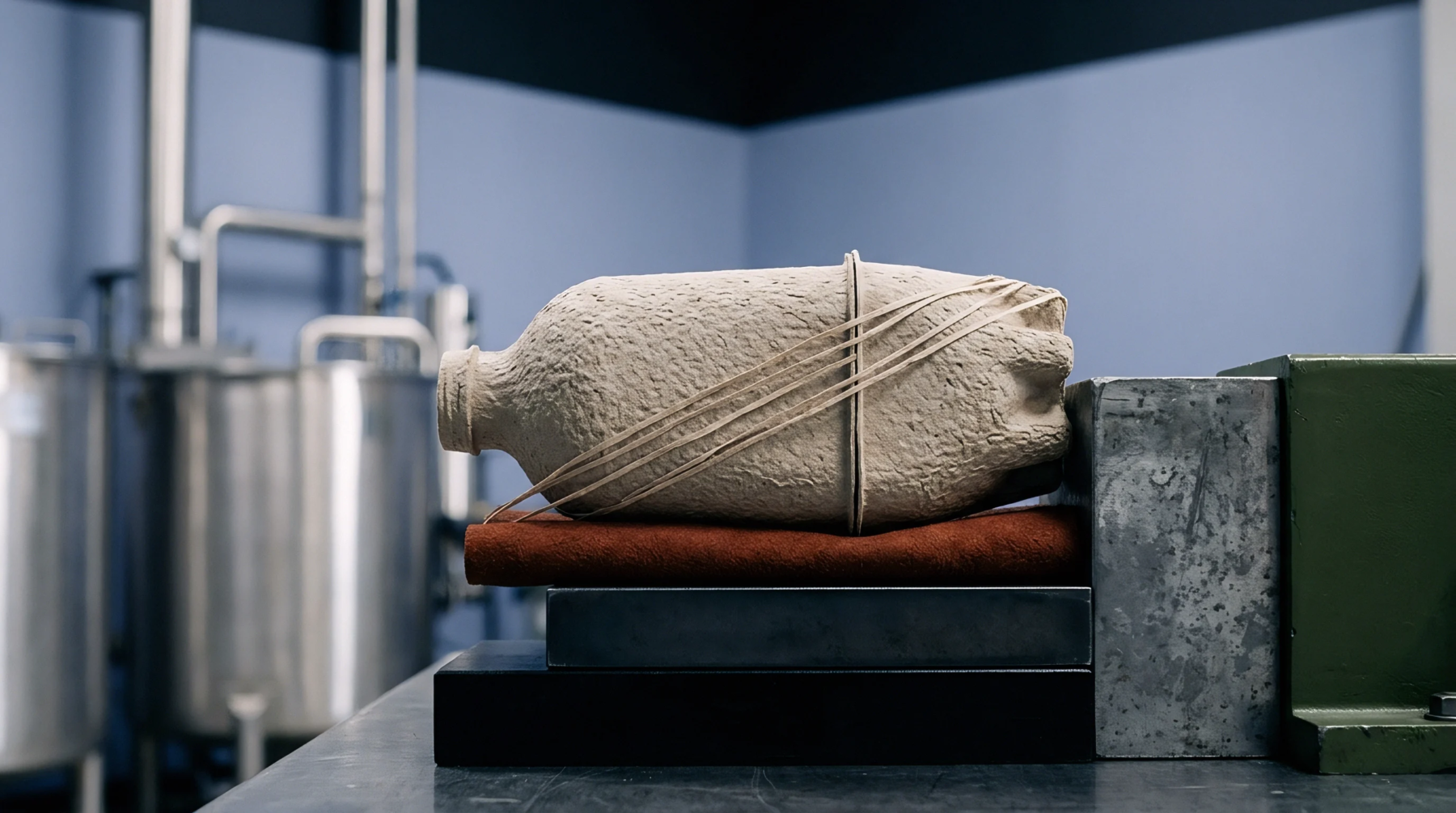
Chromatographic testing via LC-MS/MS verifies photoinitiator specific migration limits in printed barrier packaging to maintain compliance.
Fickian migration diffusion modeling provides legally binding compliance verification under EU Regulation 10/2011 when Piringer parameters upper-bound migration.

Verify polymer barrier paperboard through creased Cobb testing, migration simulant suites, Cepi repulpability yields, and lot-matched Declarations of Compliance.

Evaluating paperboard barrier food contact declarations requires verifying specific migration limits, functional barrier continuity, and total NIAS disclosures.

Extractives and migration testing requires matching food simulants, extraction solvents, and analytical thresholds to specific regulatory contact conditions.

Resolving multi layer migration liability requires linking batch trace numbers to accredited specific migration reports and contract indemnity clauses.

Mitigate polymer swap risks by pairing ATR-FTIR incoming resin screening with enforceable supplier contracts capping liability to full downstream food loss.

Aqueous barrier coatings on food contact paperboard require accredited migration, extraction, and permeation testing matching real food simulants and shelf temperatures.

Verifying imported packaging compliance requires auditing chemical migration reports, chain-of-custody scopes, and declarations of conformity before customs clearance.

Photoinitiator migration limits demand complete photopolymer conversion or functional containment to keep extractable residues below 10 parts per billion.
Chemical migration testing for dispersion coated board requires single-sided extraction cells and post-crease migration proofs to account for score-line breaks.

Paperboard chemical migration testing requires matching food simulants to substrate porosity, using Tenax for dry media and certified barrier qualification.

Gas chromatography verification requires static headspace extraction at 100 degrees Celsius to quantify residual ink solvents down to zero point five milligrams.

Polymeric paperboard barrier integrity depends on kinetic diffusion rates and mechanical crease limits verified through certified mass transfer modeling.

Verify certificate status against public scope schedules to ensure product group codes, grammages, and converting sites explicitly cover every delivered batch.
A raw material shift in barrier coatings alters chemical migration profiles, instantly invalidating food contact declarations and risking complete job quarantine.

Paperboard chemical retention and migration compliance requires verifying wet-end additive fixation, simulant extractions, and mass transfer kinetic barriers.

FSC and PEFC prove auditable timber origin and mass-balance fiber accounting; they do not prove food safety, chemical purity, repulpability, or EUDR compliance.

Regulatory enforcement detains unverified paper packaging at borders, placing absolute financial and chemical compliance liability directly on the importer of record.

Moving certificate risk onto suppliers requires contract clauses that link claim validity to invoice codes, batch migration reports, and full indemnity for border holds.
Expertise is a utility, not a secret. sentiention™ publishes its working knowledge as open reference: intelligence layer covering the materials it sources, the markets it enters, and the reference that serves both.