Mechanical Pressure
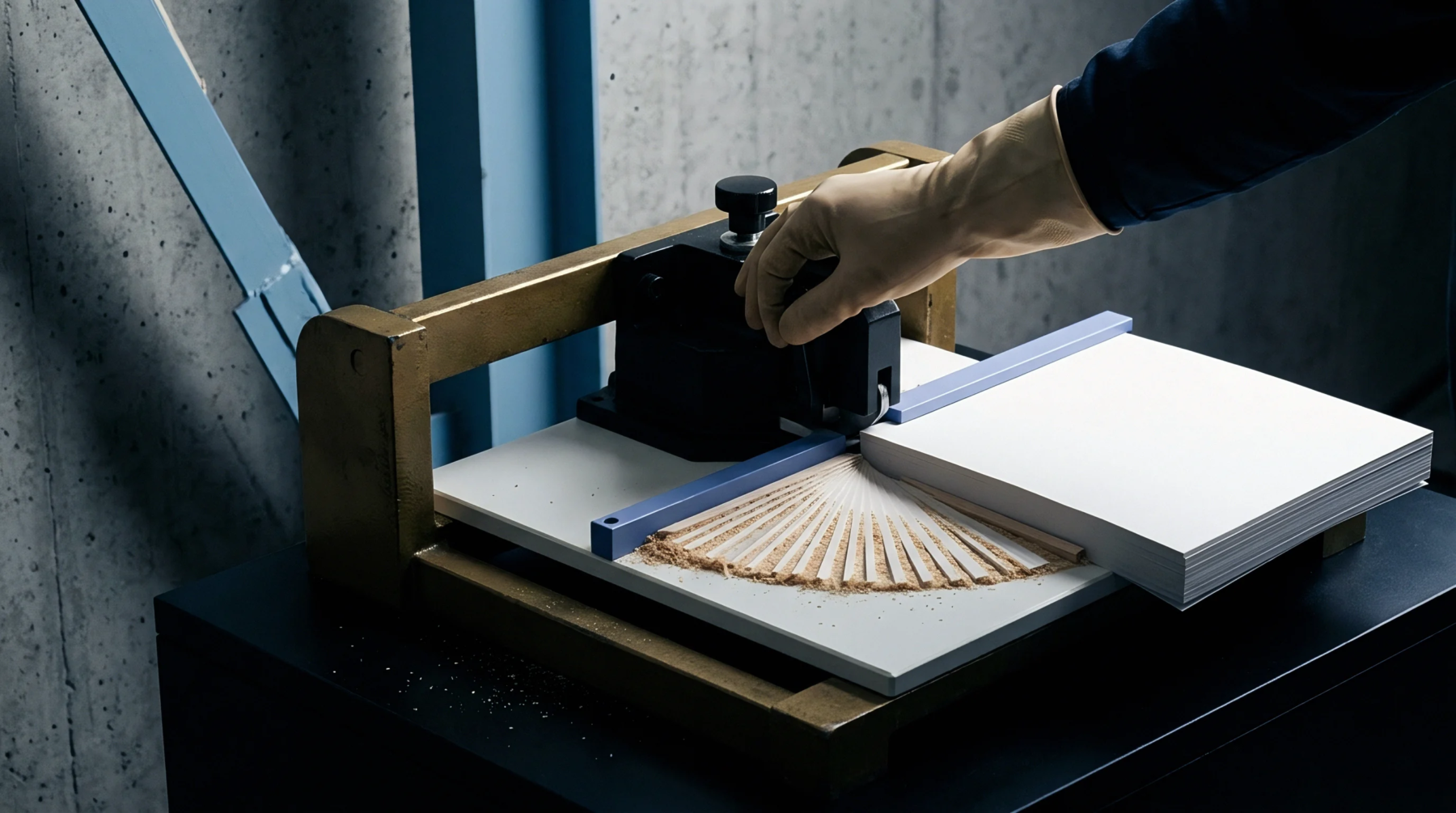
High tonnage reciprocating force drives steel rules through dense paperboard substrates during high speed converting operations. Heavy industrial machinery known as a platen die-cutter isolates packaging blanks from large parent sheets through sheer tonnage delivered against a flat steel jacket. Mechanical linkages transfer torque from a massive flywheel into four toggle levers, which force the lower bed upward with immense pressure against a stationary upper chase.
Operators adjust the make-ready sheets beneath a thin steel counter plate to compensate for slight variations in board caliper across the entire working area.
Creasing Matrix
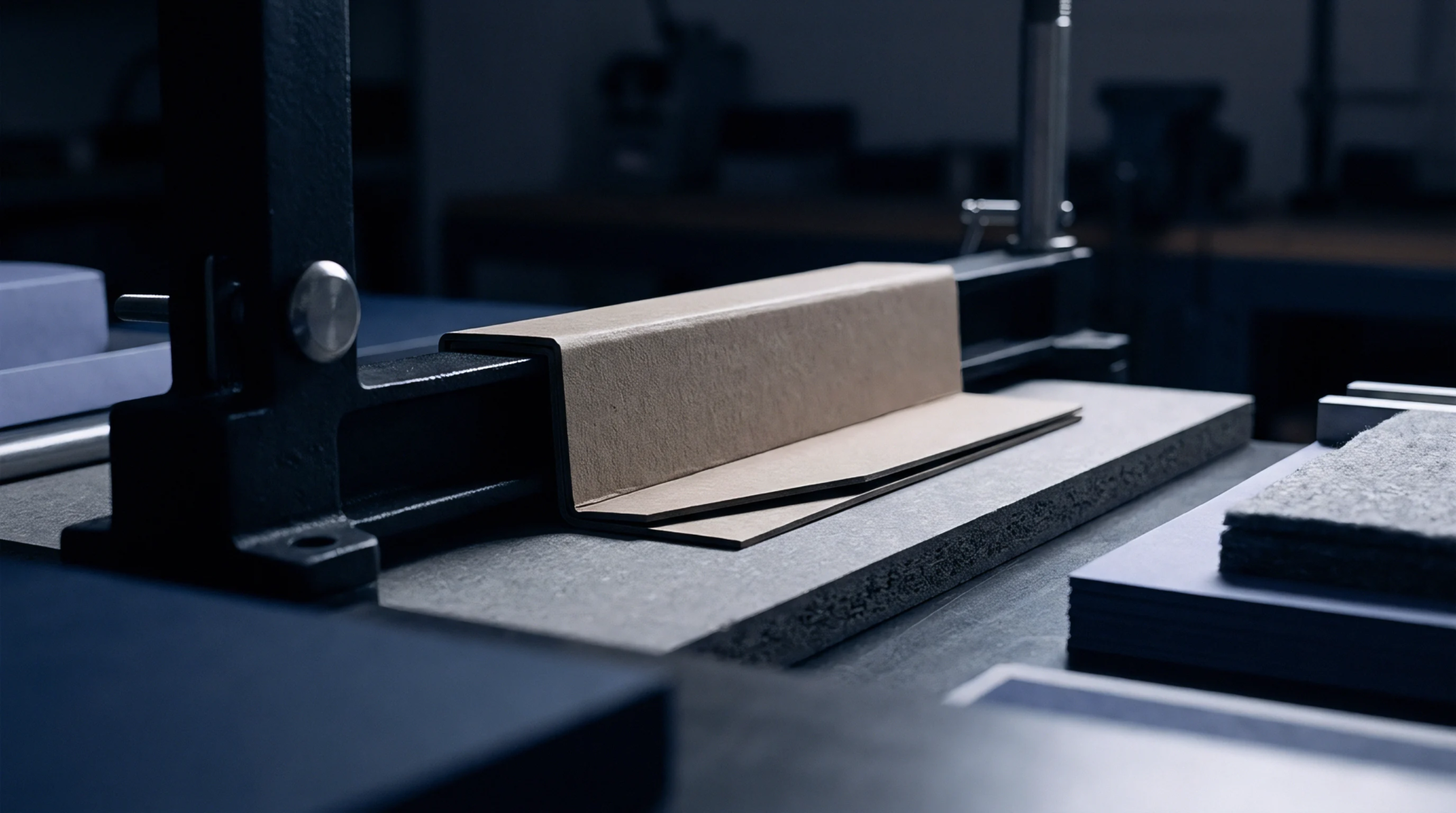
Narrow channels adhered to the lower steel plate govern the folding lines of folding cartons by pressing paperboard fibres into shallow grooves without cutting through the top liner. Precision placement of these phenolic channels determines whether the finished carton folds cleanly along the correct axis during high speed gluing on automated packaging lines. Misalignment between the creasing rule and the opposing channel causes tearing along the outer ply of heavy kraft board, which ruins the structural integrity of the final container.
Stripping Station
Automated pin frames remove internal paper waste from die cut sheets immediately after the pressing operation separates individual box blanks from the surrounding skeleton web. Pneumatic grippers transport the stacked sheets through the separation phase where upper and lower tooling push out scrap pieces into collection bins below the main bed. Production speeds depend entirely upon the efficiency of this waste removal mechanism, because trailing edge jams inside the platen die-cutter halt the entire converting line until cleared by hand.