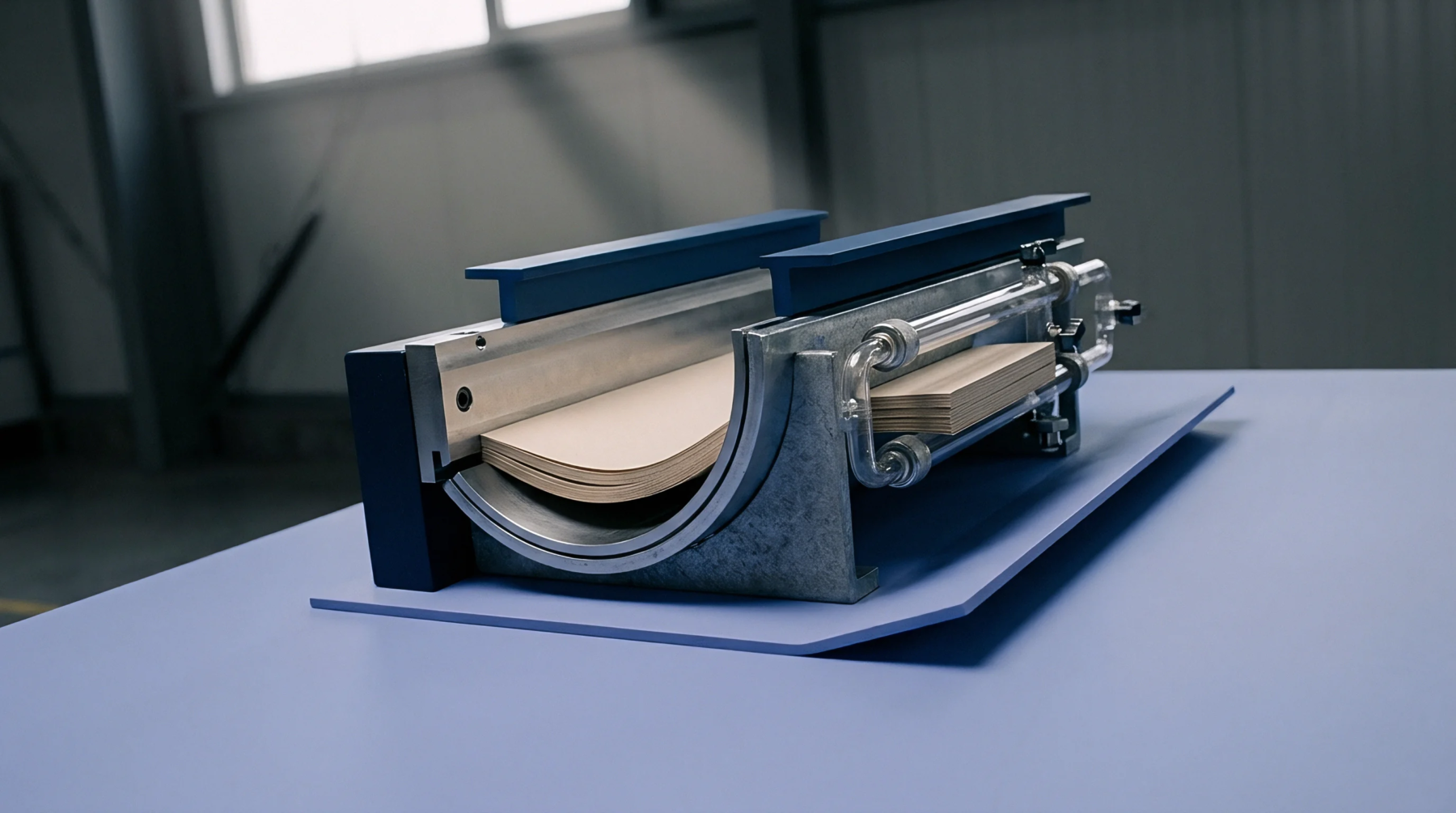
Paperboard Crease Bending Resistance Evaluation Standard Laboratory Test Protocols
Crease evaluation measures 15-degree sheet stiffness against 90-degree fold resistance, targeting a 30 to 50 percent ratio to prevent cartoning line jams.
Crease evaluation measures 15-degree sheet stiffness against 90-degree fold resistance, targeting a 30 to 50 percent ratio to prevent cartoning line jams.
Predictive stiffness loss modeling prevents folder-gluer waste by adjusting crease depth and binder chemistry to compensate for high-speed dynamic strain.
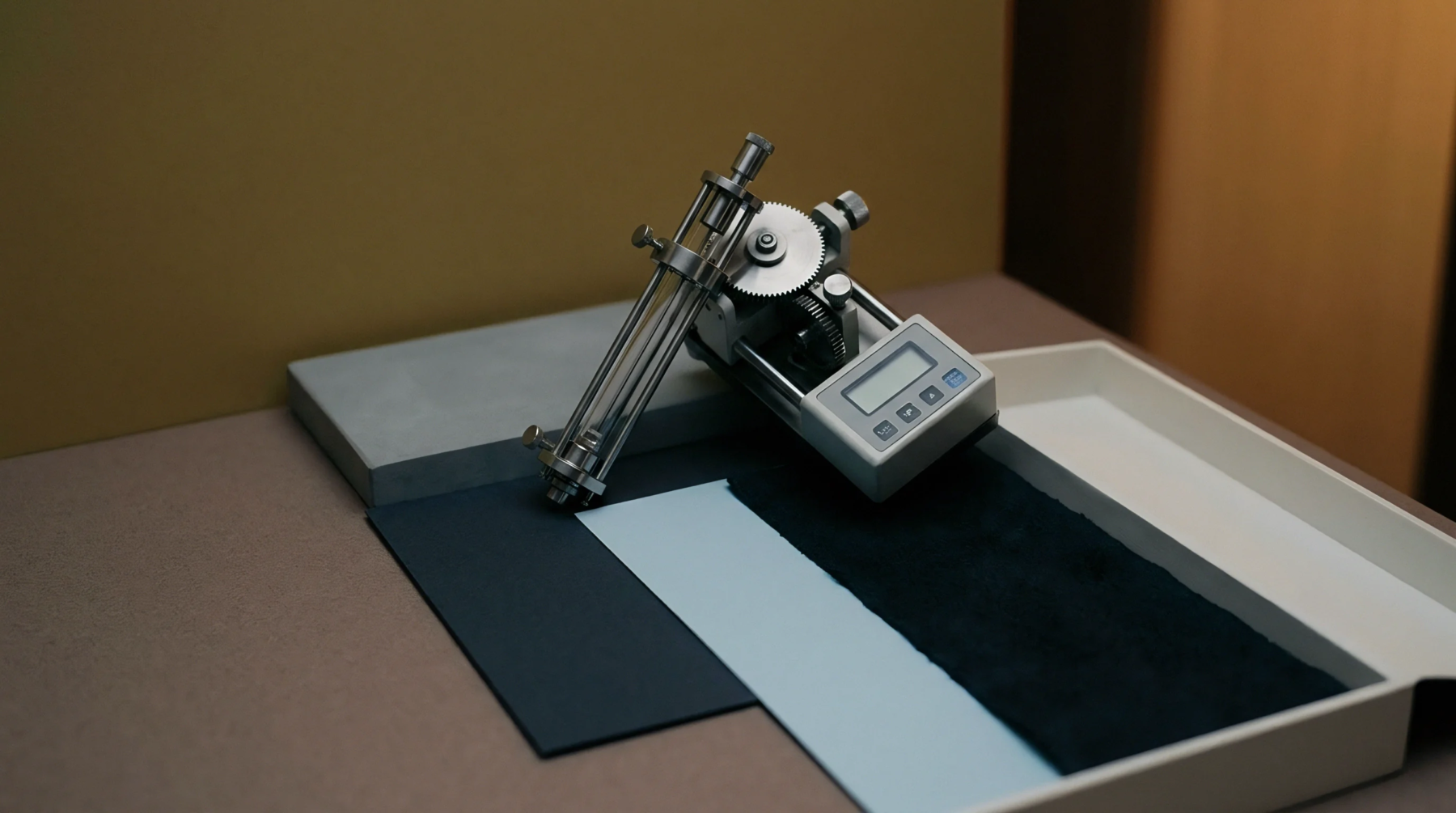
Calculate matrix channel width for co-extruded laminates using an expanded 1.65 to 1.85 board modifier plus rule gauge and double film thickness.
Substrate compression ratio measures z-axis compaction, balancing tool impression depth against fiber strain limits to maximize embossing height without shearing.
Unheated storage alters multi-ply boxboard moisture equilibrium, swelling sheet edges, reducing internal bond strength, and causing severe converting curl.

Dynamic viscoelastic springback coupled with orthotropic panel deflection governs cartoning line efficiency and side-wall structural limits under high speeds.

Cyclic microclimates degrade recycled paperboard inter-ply shear strength through moisture expansion mismatch and starch bond mechanical fatigue.

Modulating ultrasonic transducer frequency to pulsed burst mode below 30 kHz prevents sub-micron polymer barrier shear rupture during high-speed crease inspection.
Automated optical morphology testing under ISO 16065-2 quantifies fiber shortening and hornification to control secondary substrate strength and yield.
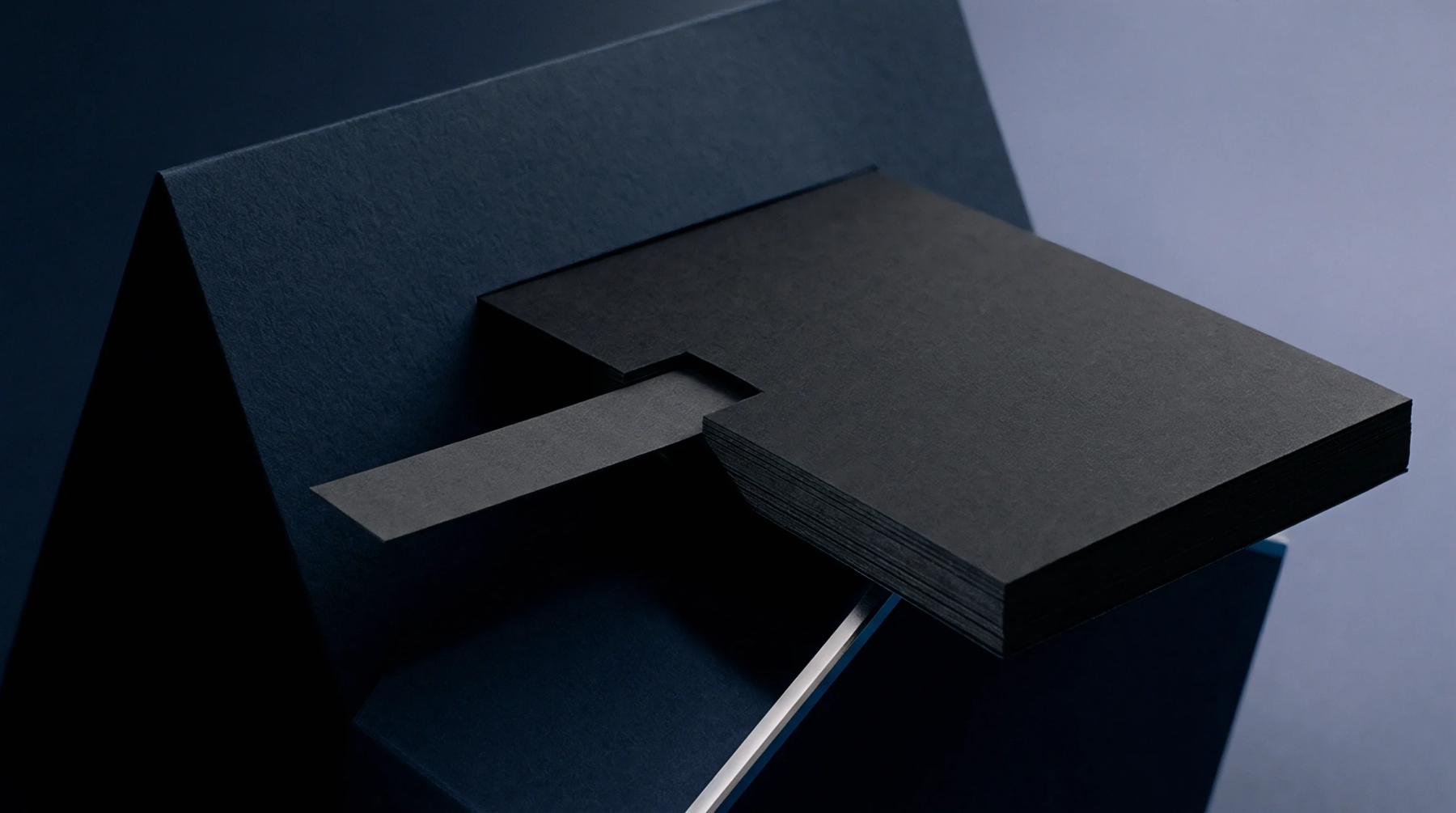
Determining matrix channel width requires adding steel rule thickness to board caliper multiplied by 1.5 for machine direction or 1.7 for cross direction scores.
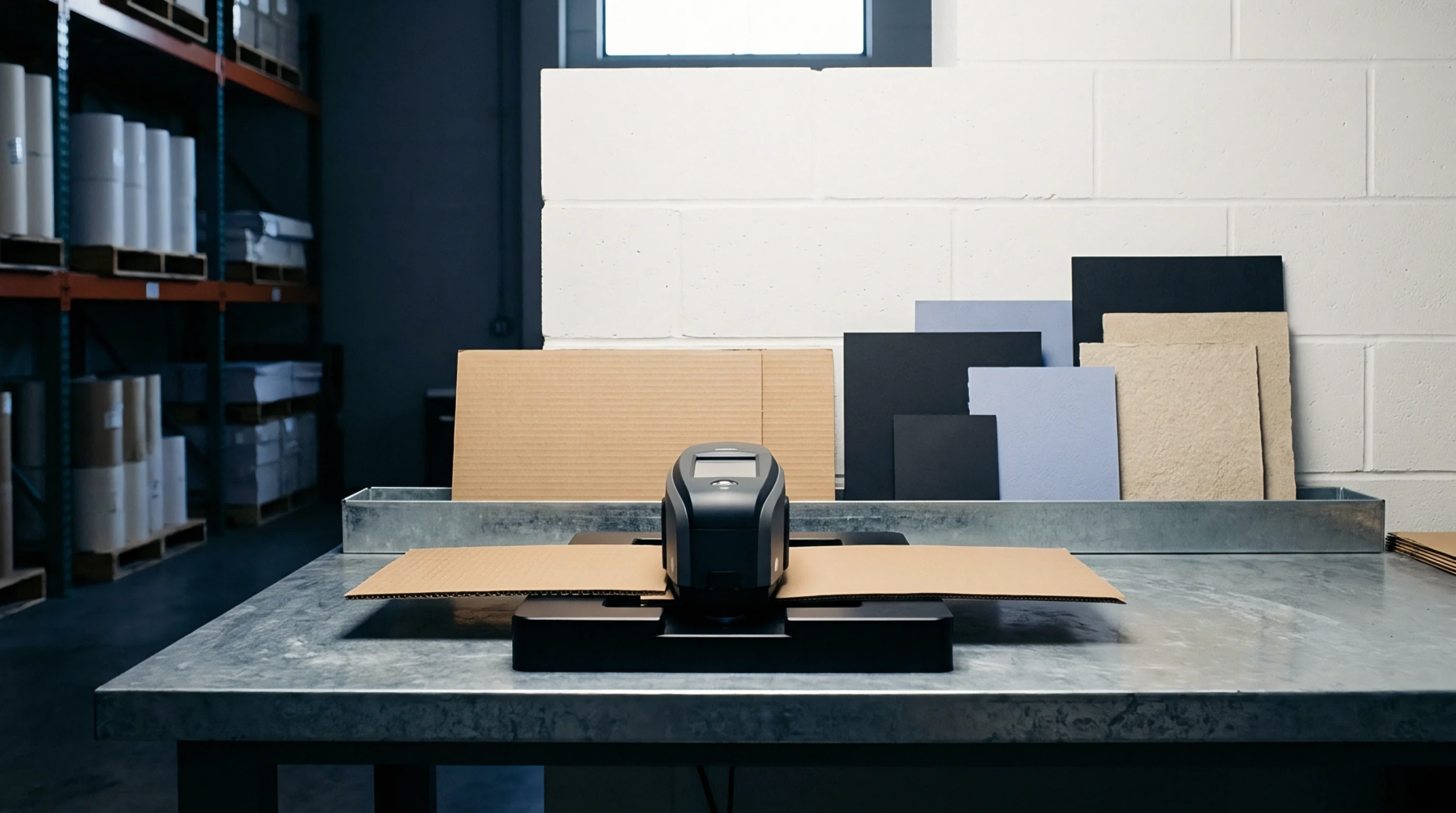
Air-coupled ultrasonic guided waves quantify paperboard crease ply delamination and micro-cracking non-destructively, preventing box compression failure.

Matching counter matrix channel width to rule thickness plus 1.5 to 1.7 times board caliper prevents clay coating rupture and stabilizes carton score stiffness.
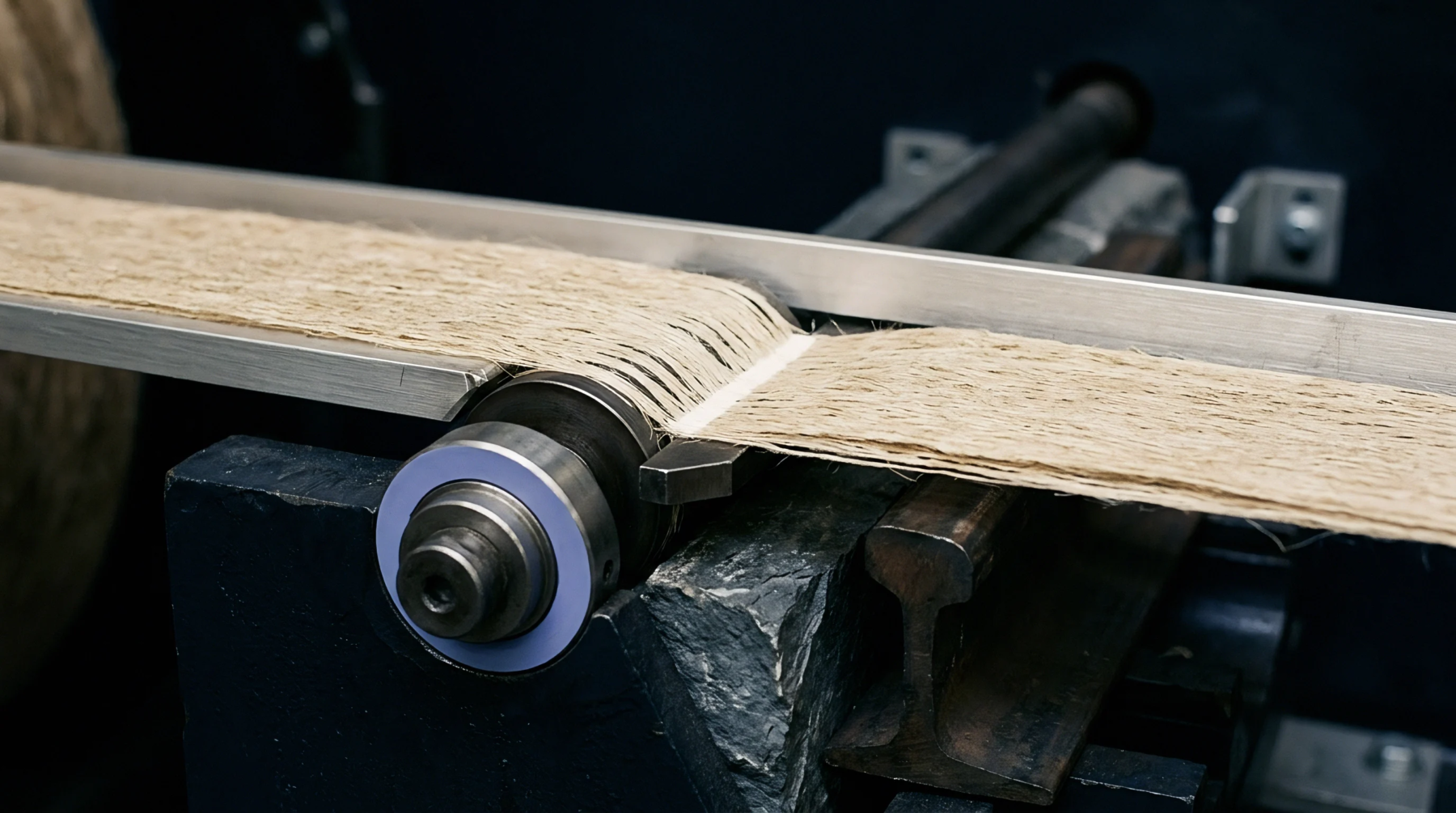
Low-fibre recycled board requires widening female matrix channels to 1.8 times caliper and reducing penetration depth to prevent top-liner rupture.

Uncoated folding boxboard requires matrix channel width equal to creasing rule thickness plus 1.8 times caliper to prevent top liner cracking during folding.
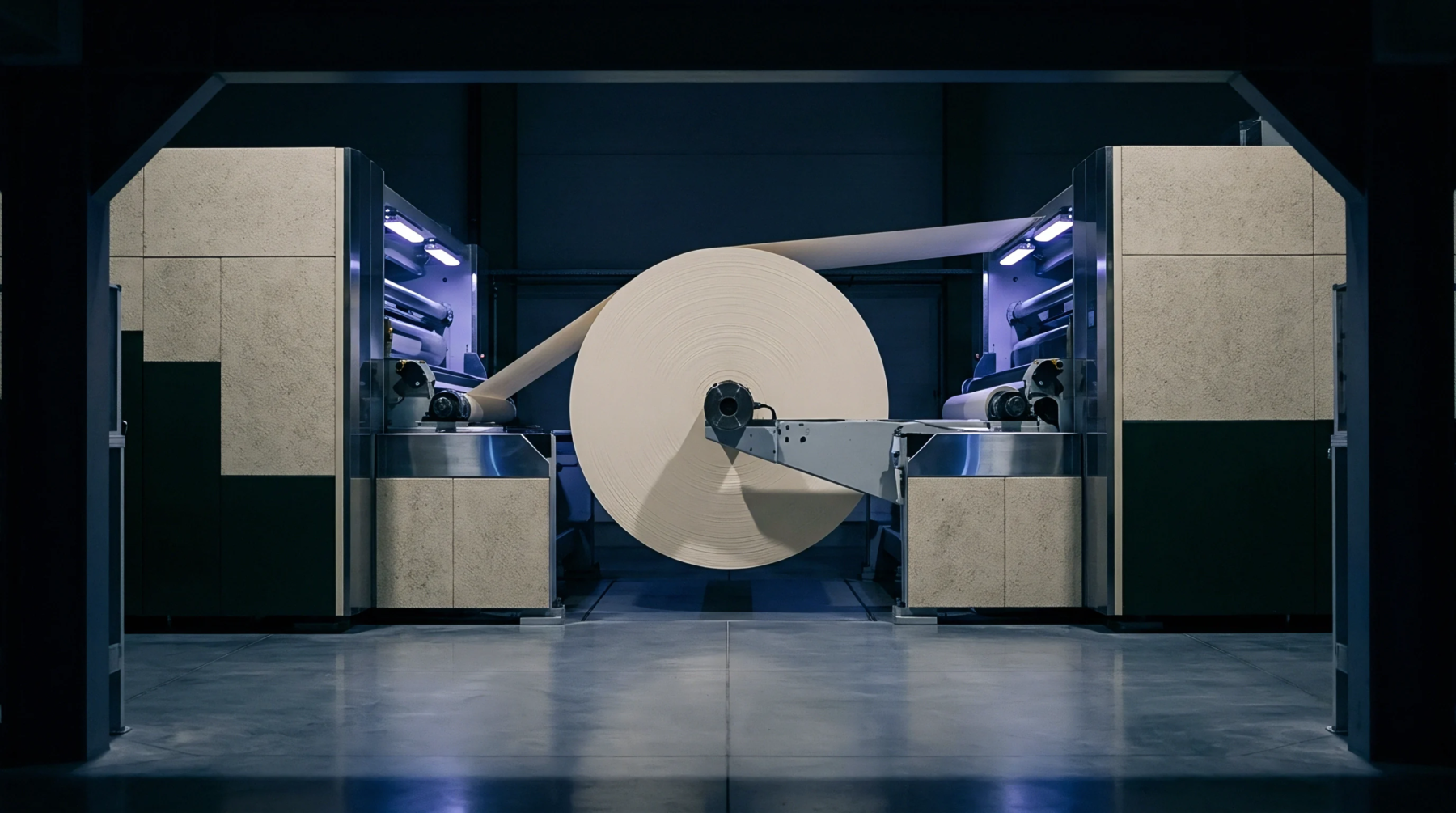
Die imposition layouts must align machine direction grain along the extraction vector to prevent dynamic bowing and vacuum shear during high-speed cartoning.
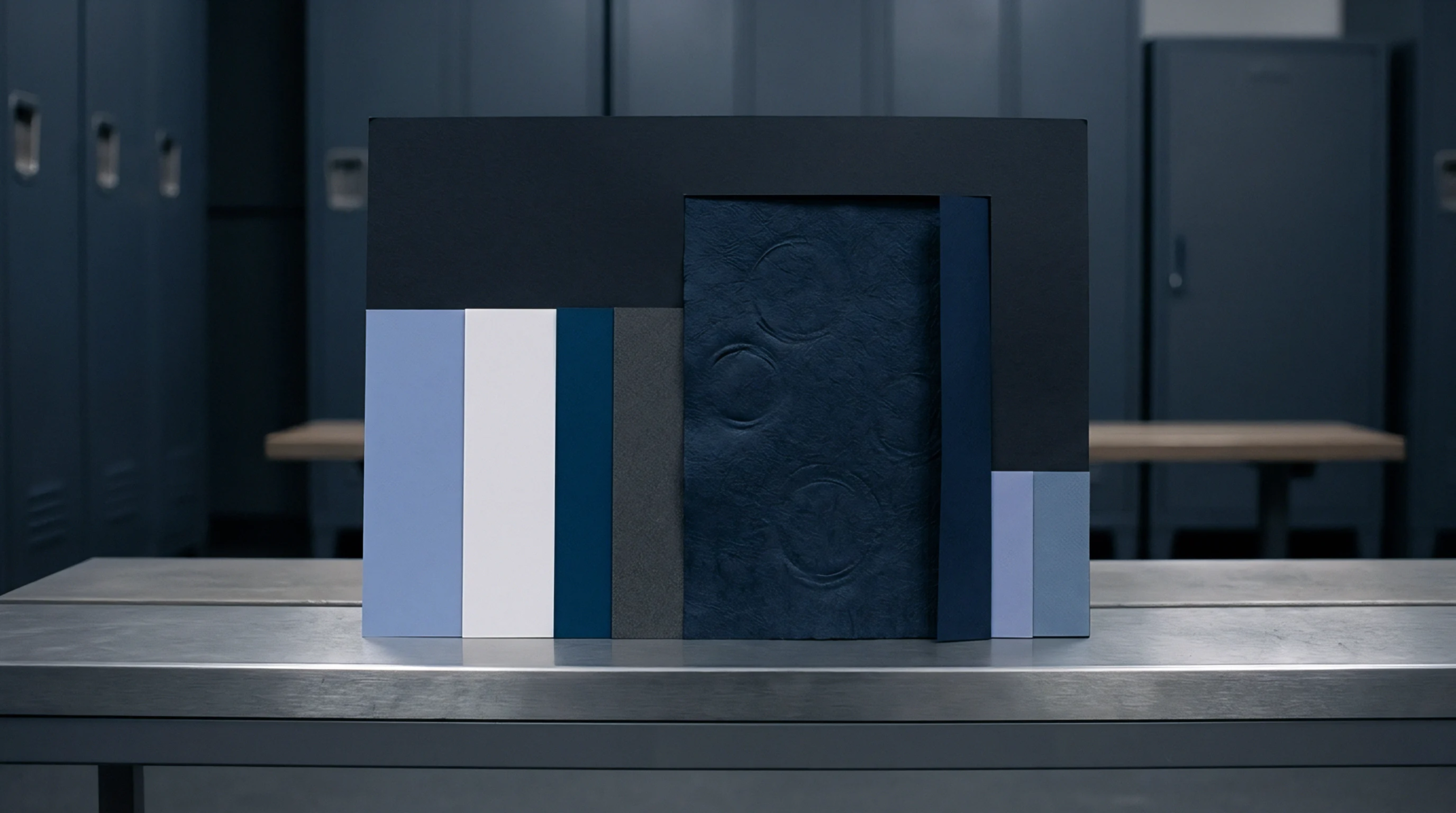
High frequency ultrasonic attenuation profiling non-destructively maps internal ply delamination and polymer barrier continuity during cartonboard creasing passes.
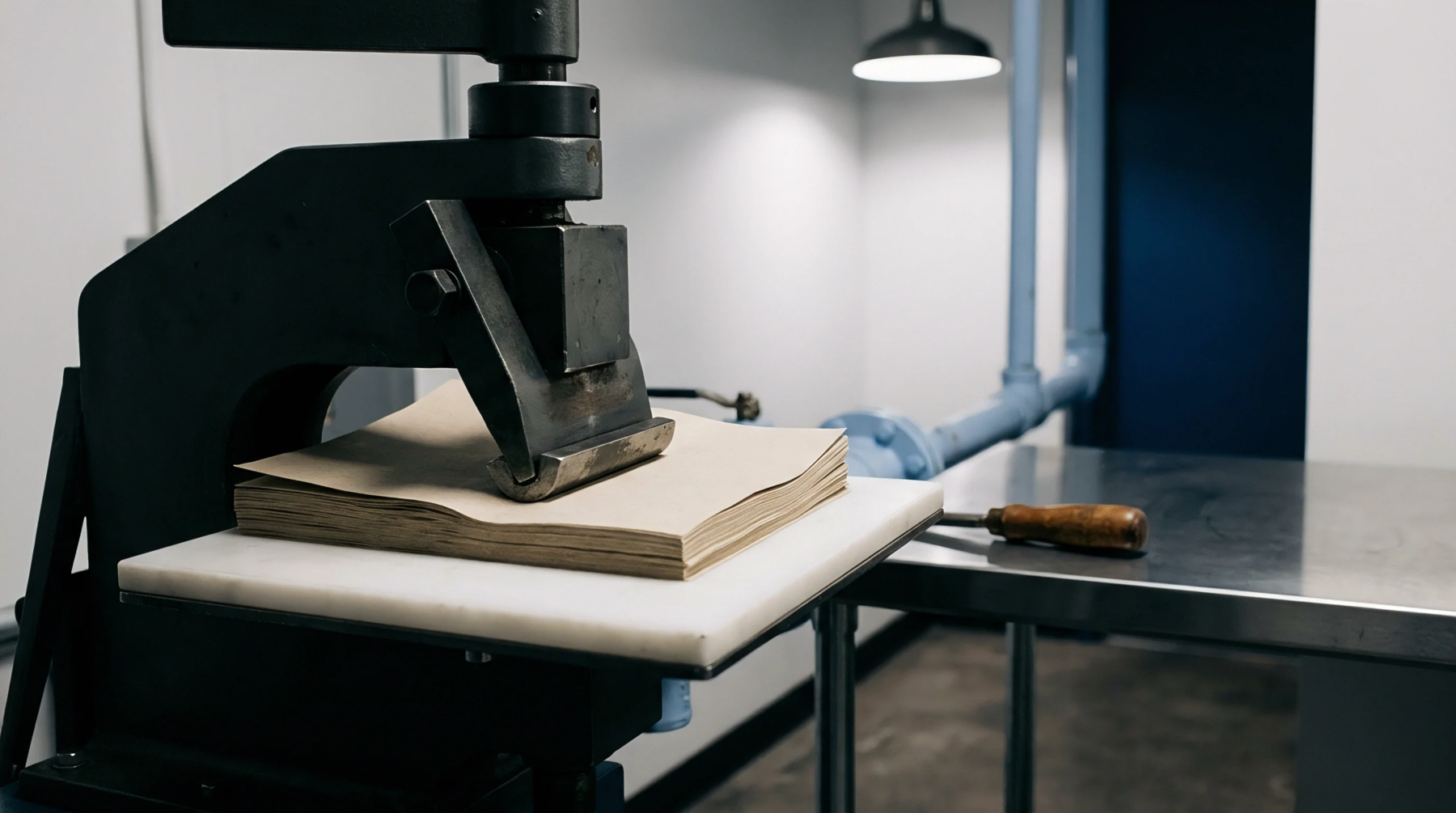
Piezoelectric stress wave monitoring detects cartonboard score cracking in real time by capturing high-frequency elastic strain transients at rotary die nips.
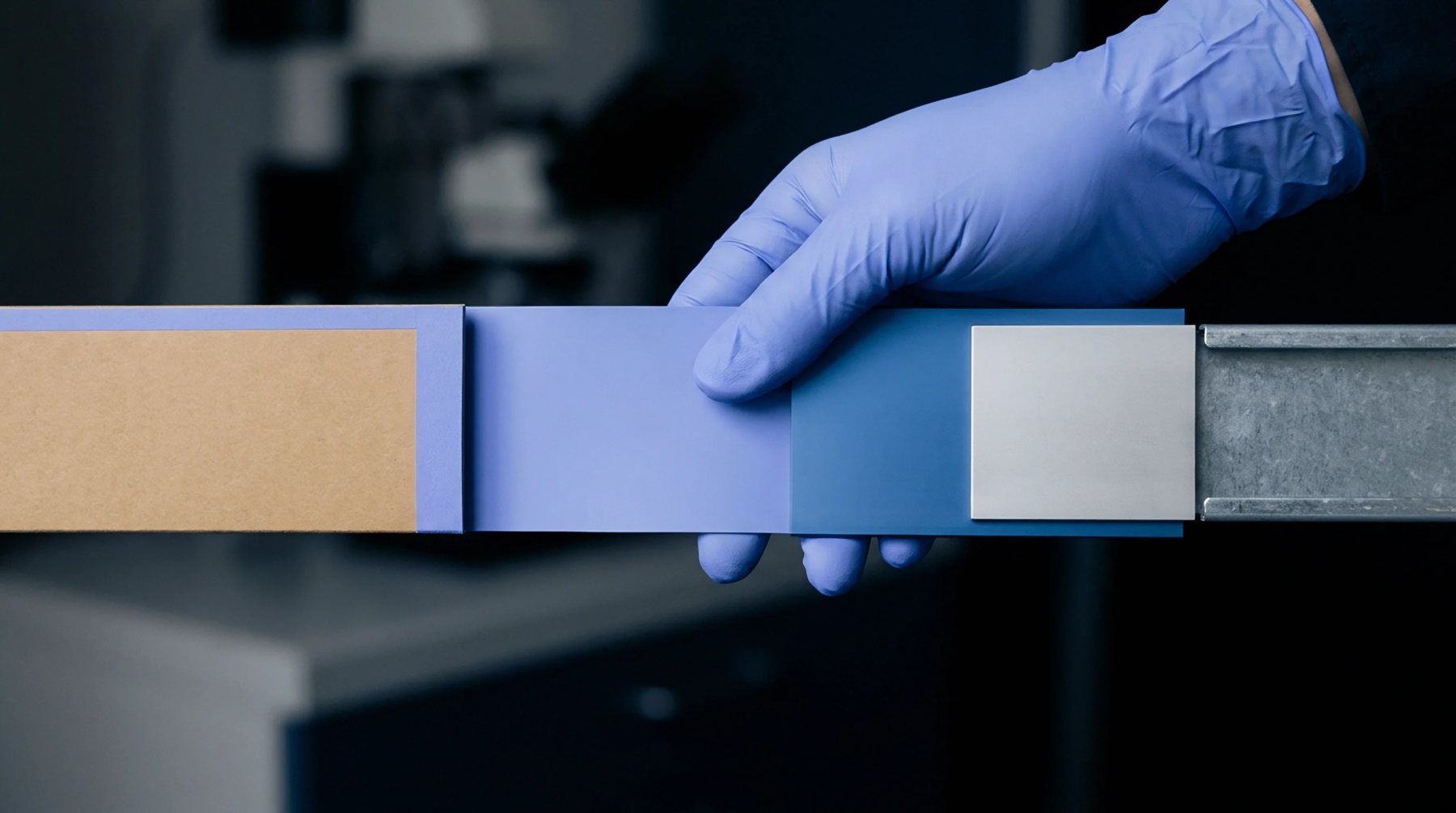
Calculate crease rule height by subtracting compressed board caliper from cutting rule baseline, sizing matrix width to rule thickness plus 1.5 to 1.8 times board thickness.
Optimize matrix channel clearance using board caliper and rule thickness formulas to guarantee internal ply delamination while preventing outer liner score cracking.
Expertise is a utility, not a secret. sentiention™ publishes its working knowledge as open reference: intelligence layer covering the materials it sources, the markets it enters, and the reference that serves both.