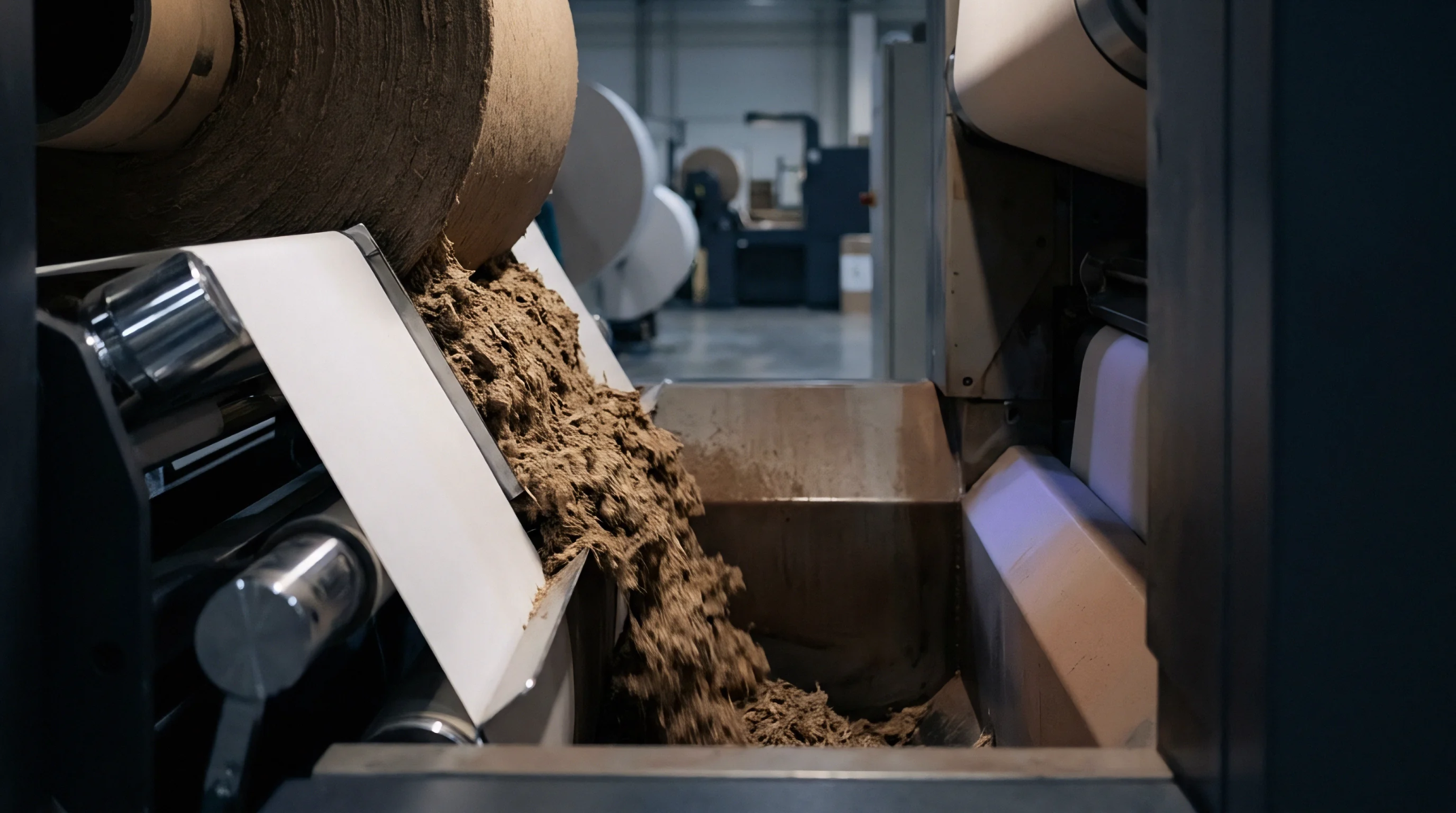
Mapping Paperboard Mill Scope Classifications to Downstream Packaging Claims
Paperboard mill certificate scopes govern packaging claims by strictly limiting authorized product groups, fiber credit allocations, and contact testing boundaries.
Paperboard mill certificate scopes govern packaging claims by strictly limiting authorized product groups, fiber credit allocations, and contact testing boundaries.
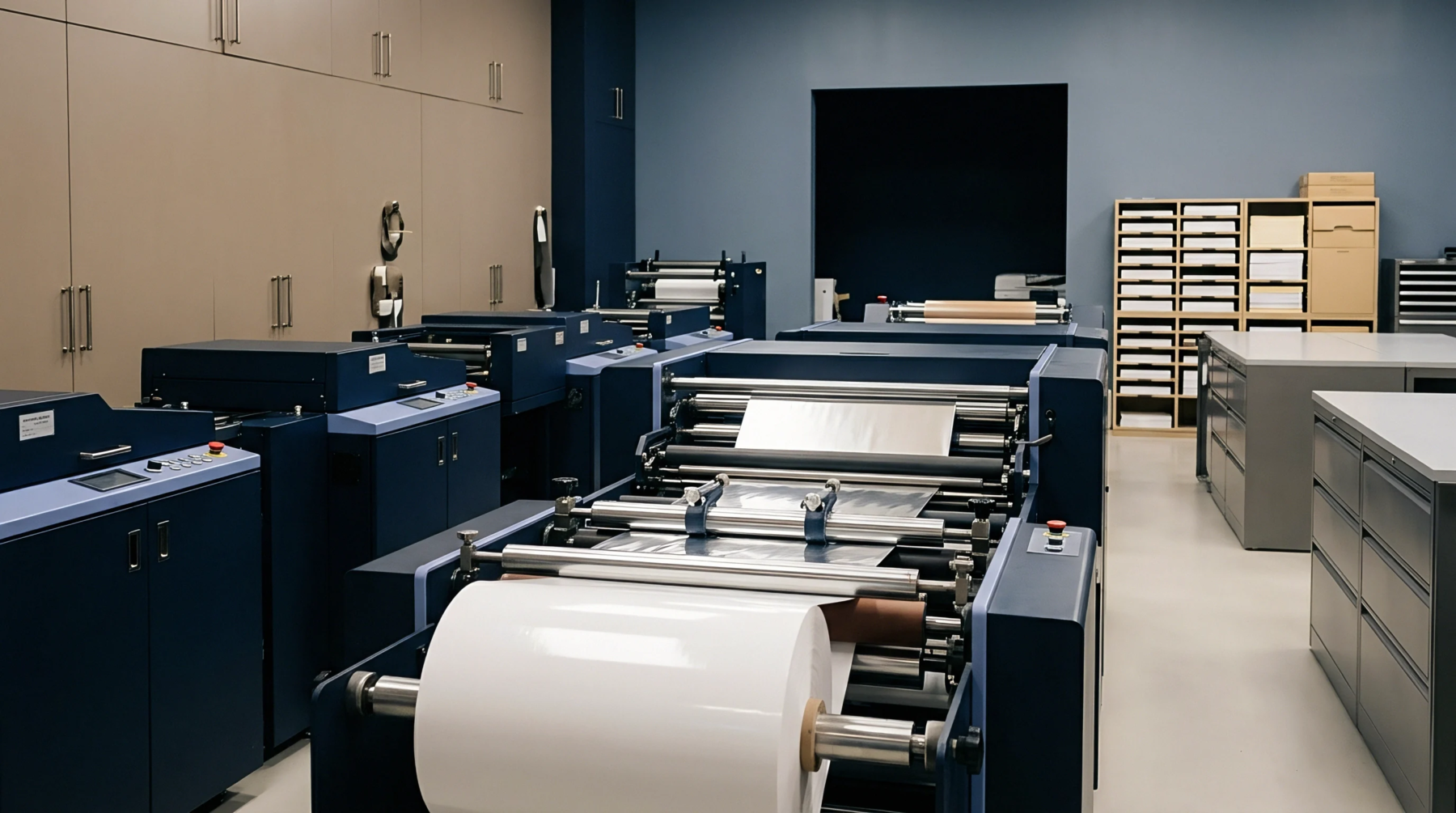
Dynamic Weibull residual filtering of autocorrelated web tension data eliminates false alarms and stops non-normal tensile defect propagation in high-speed converting.

Pyrolysis mass spectrometry isolates covalently bound alkyl ketene dimer esters from free waxes in paperboard, verifying food contact safety and mill sizing cure.

Closing white water loops concentrates non-retained synthetic additives and chloropropanols, degrading board strength and threatening food contact compliance.

Coupled hygro-mechanical finite element modeling prevents chilled transit collapse by predicting rapid condensation softening and interface delamination.

Mitigating matrix interference in recycled fiber extraction requires silver nitrate chromatography and epoxidation to separate target hydrocarbons accurately.

Verify polymer barrier paperboard through creased Cobb testing, migration simulant suites, Cepi repulpability yields, and lot-matched Declarations of Compliance.

Food contact safety for recycled board requires functional barrier proof and complete chain of custody documentation down to invoice line items.

Validating paperboard claims requires cross-checking certificate scope codes on public databases and securing batch migration test reports.

Inline blade coating and soft-nip calendering establish surface uniformity, while targeted finishing passes balance visual embellishment against repulpability.

Verifying imported packaging compliance requires auditing chemical migration reports, chain-of-custody scopes, and declarations of conformity before customs clearance.

Polymeric coatings block recycled board NIAS migration when layer thickness, crosslinking density, and pinhole frequency meet specific mass transfer criteria.
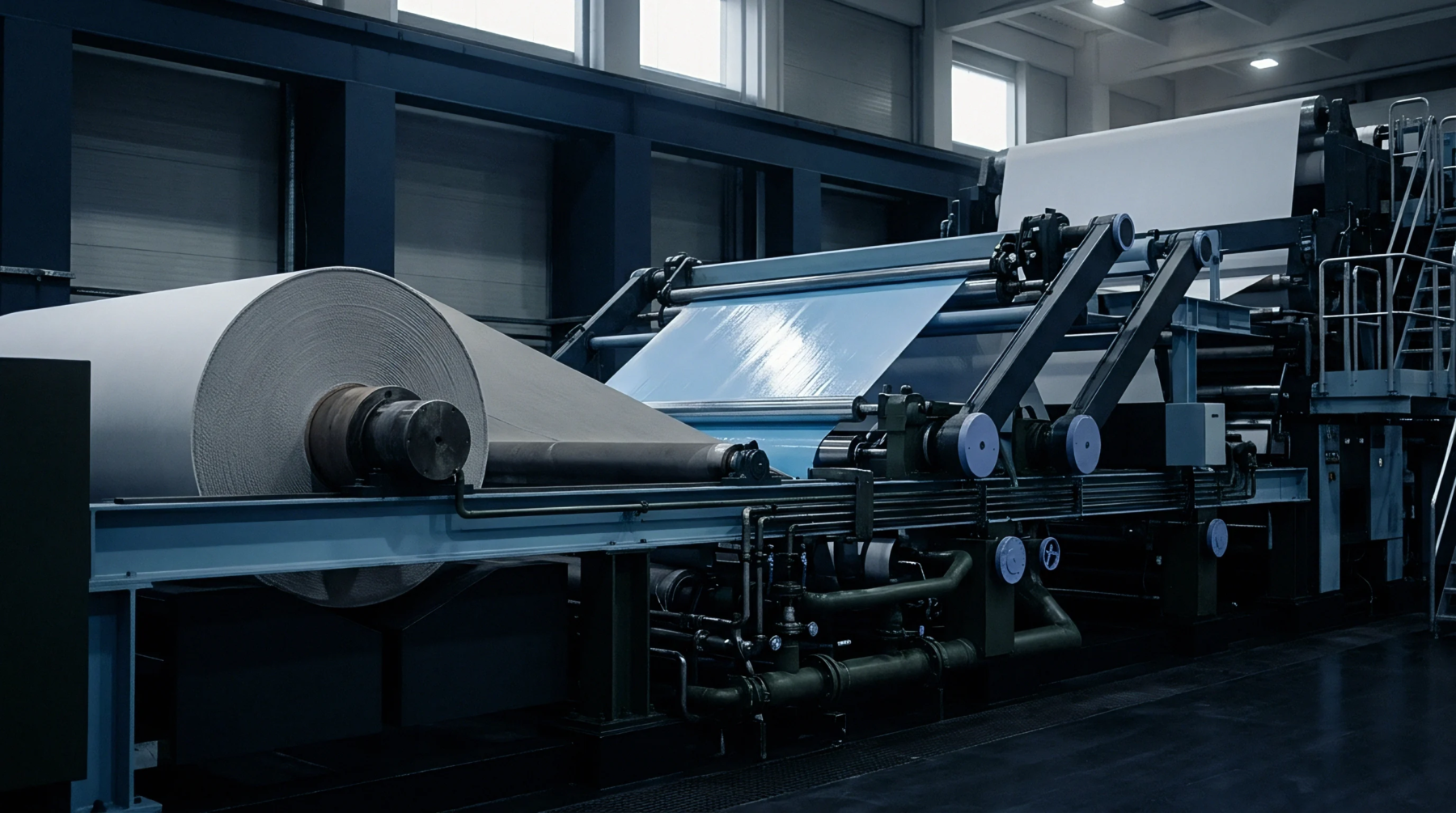
Dynamic climate chamber testing under cyclic relative humidity isolates mechanosorptive creep failure modes that standard static equilibrium conditioning miss.

Scope cross-checking against public scheme registers and line-item invoice verification prevent customs detentions and illegal packaging claims.

A converter's chain of custody certificate cannot retroactively grant certified status to packaging made from uncertified paper mill substrate.
Expertise is a utility, not a secret. sentiention™ publishes its working knowledge as open reference: intelligence layer covering the materials it sources, the markets it enters, and the reference that serves both.