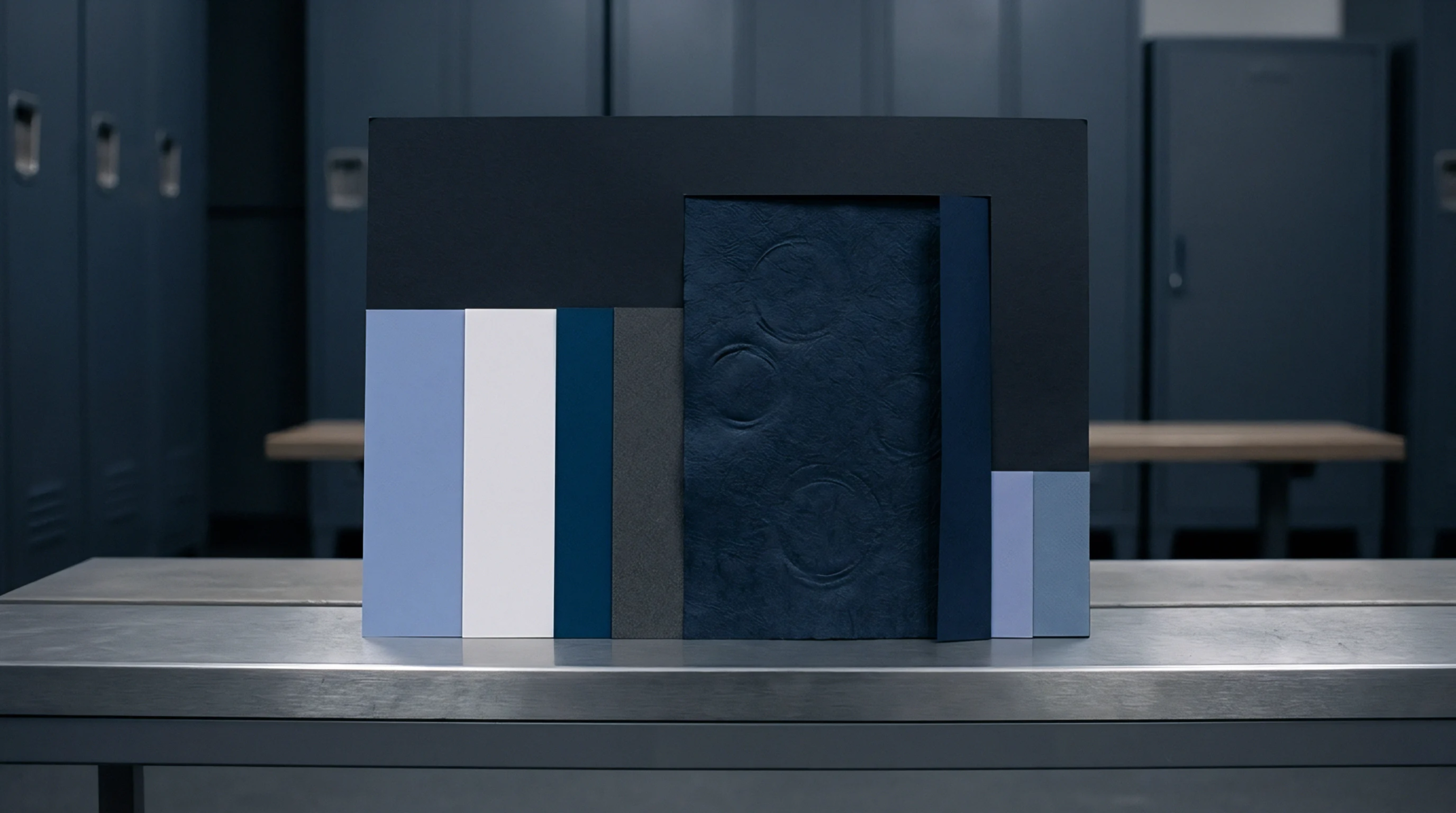
Optimizing Crease Score Geometry for Coated Packaging Board
Optimize crease score geometry by matching rule width and counter depth to caliper while sizing channel width to induce core shear delamination without coating cracks.
Optimize crease score geometry by matching rule width and counter depth to caliper while sizing channel width to induce core shear delamination without coating cracks.
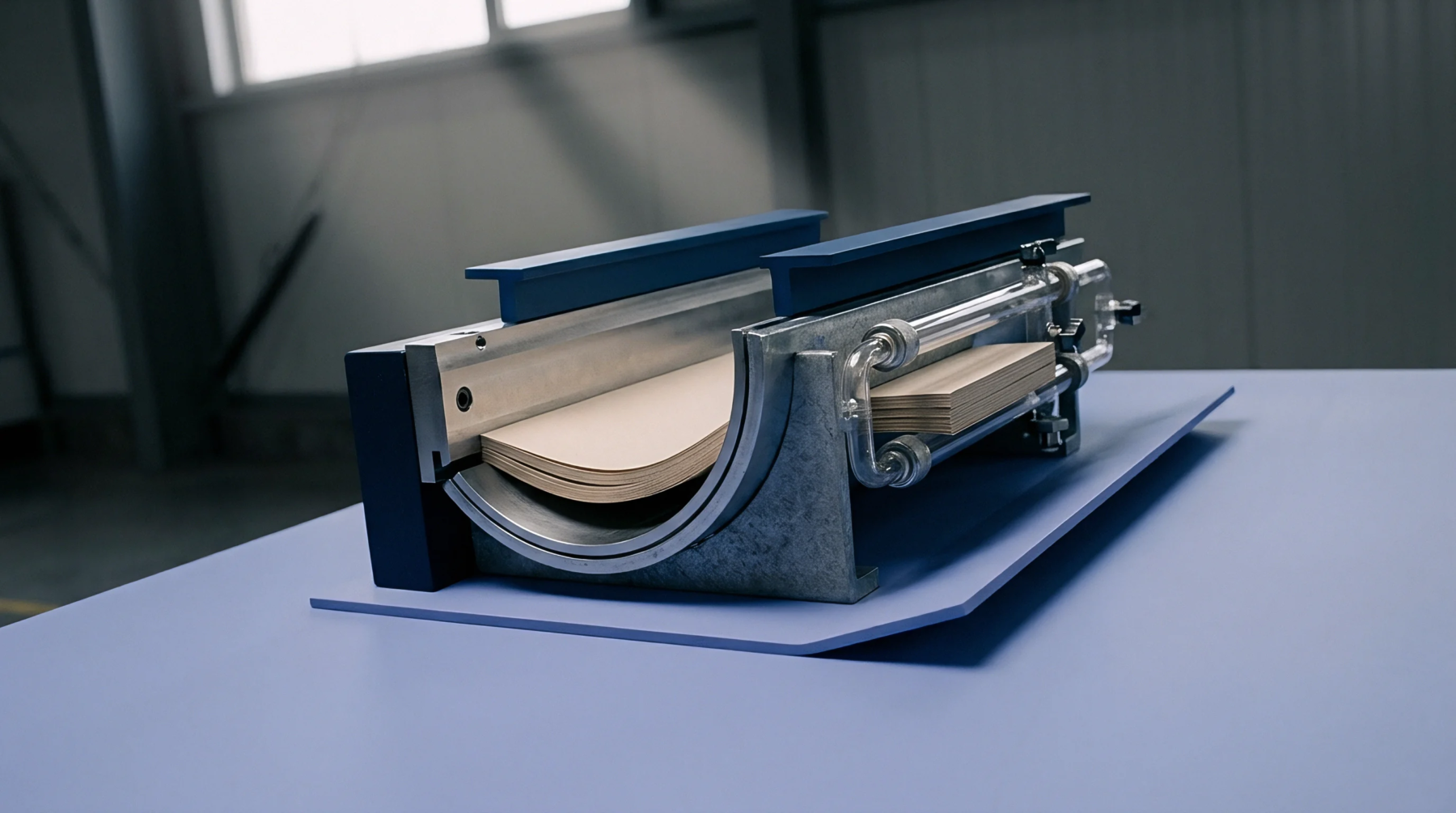
Crease evaluation measures 15-degree sheet stiffness against 90-degree fold resistance, targeting a 30 to 50 percent ratio to prevent cartoning line jams.
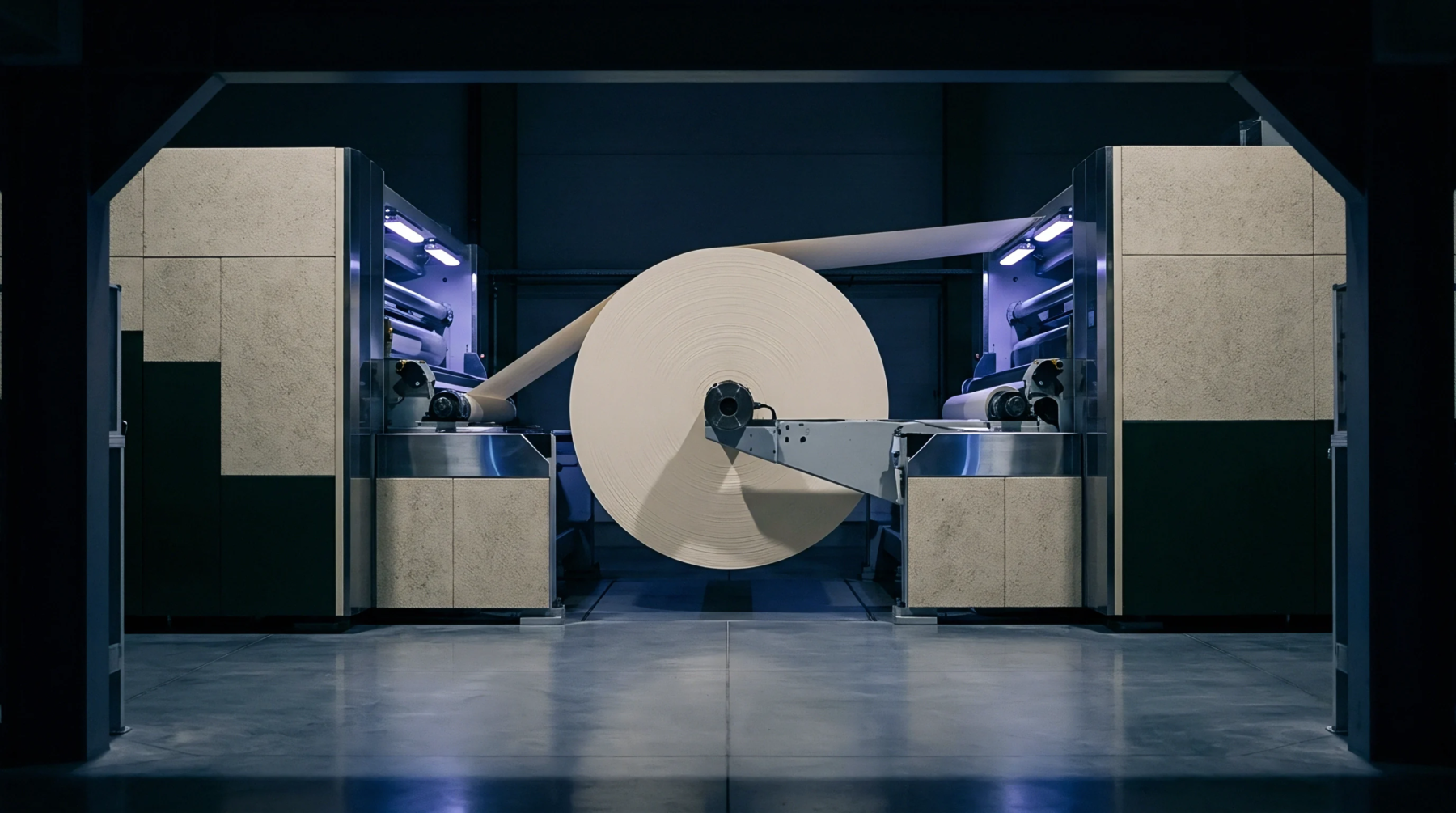
Optical penetration depth correction in continuous board web profilometry mathematically compensates for subsurface scattering to ensure true mechanical caliper.
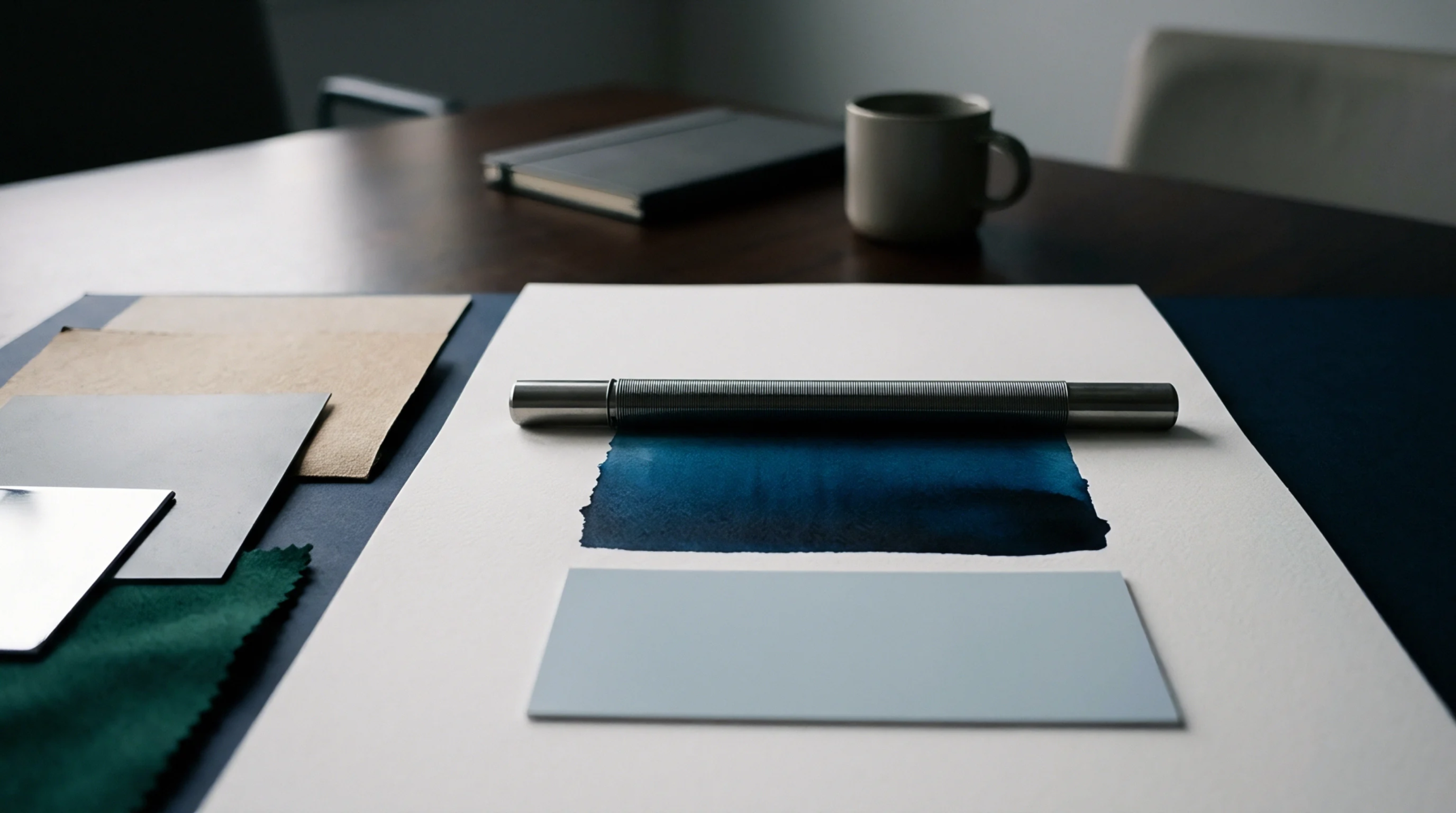
Low migration UV conversion succeeds by verifying photoinitiator cure through spectrometry, maintaining peak irradiance, and preventing set-off transfer.
Paperboard mill certificate scopes govern packaging claims by strictly limiting authorized product groups, fiber credit allocations, and contact testing boundaries.
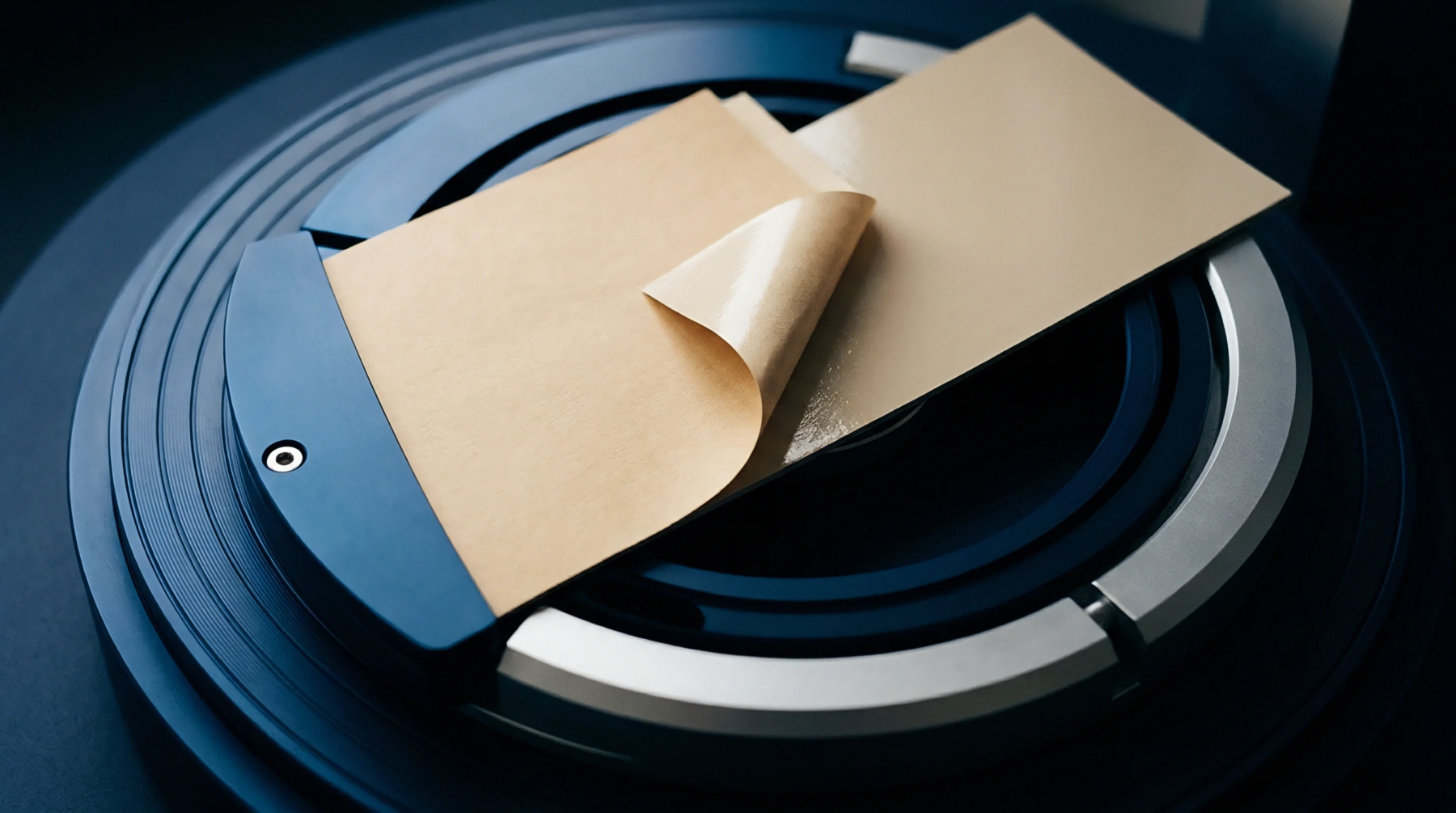
Optimize counter-matrix width and rule penetration depth to induce internal core ply delamination while protecting outer extrusion barrier films from shearing.

Modifying creasing matrix channel width and male rule tip radius prevents polymer film elongation cracking and maintains gas barrier integrity across folded scores.
Substrate desiccation during heated stamping alters sheet dimensions, requiring differential die scaling and controlled humidity recovery between passes.
Calculate brass die thermal expansion by multiplying the alloy coefficient by temperature delta and original length, then invert to get pre-press artwork scale.

Inline acoustic time-of-flight profiling maps internal board ply delamination at line speed, preventing cartoner jams without marking finished carton surfaces.
Elevated humidity causes gas-phase moisture sorption that disrupts interfiber hydrogen bonds, reducing sheet elastic modulus and causing converting failure.
Controlling moisture sorption and anisotropic hygroexpansion requires tight warehouse humidity regulation to prevent converting misregistration and warp defect losses.
Real-time platen bed deflection correction eliminates crease depth variance across wide formats, preventing high-speed packaging jams and cutting tooling wear.
Resolving paperboard index discrepancies requires separating temporal publication lag from transit moisture gain by reconciling billed weight to bone-dry fiber mass under ISO 287.
Qualification requires proof that plastic-laminated paperboard leaves under ten percent dry residue on a two-millimeter sieve after twelve weeks of composting.

Dynamic creasing impact compresses internal pore air into transient pressure spikes, reducing effective shear strength and causing high-speed ply blowout.
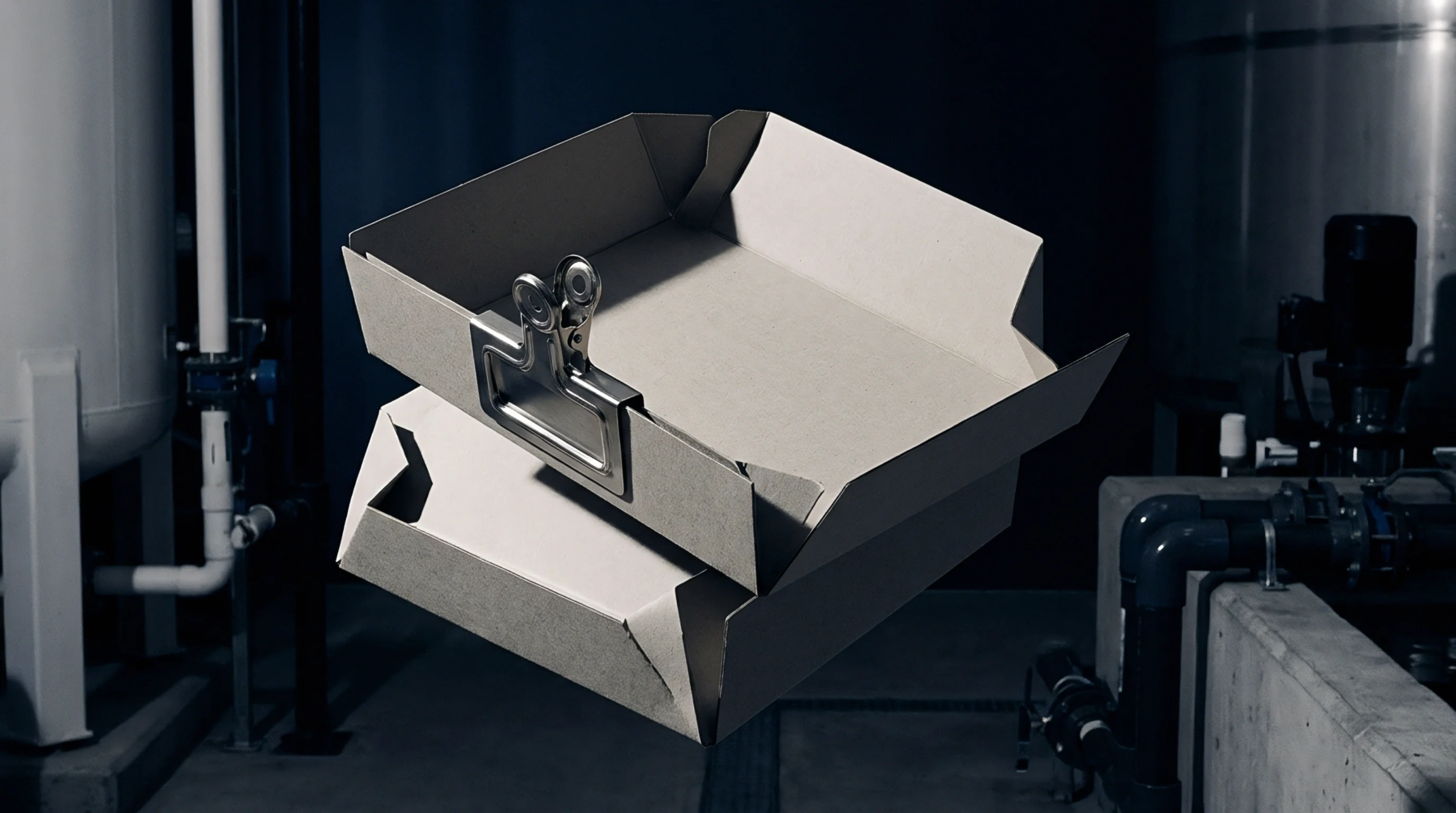
Dynamic strain rate hardening increases Z-direction stiffness during high-speed die cutting, demanding wider matrix channels to prevent crease cracking.
Non destructive laser thermoelastic mapping measures subsurface micro delamination dynamics in high speed barrier board scores without damaging surface coatings.
Predictive stiffness loss modeling prevents folder-gluer waste by adjusting crease depth and binder chemistry to compensate for high-speed dynamic strain.
Calculate crease matrix width by multiplying uncoated cartonboard caliper by 1.5 and adding rule thickness, setting channel depth equal to board caliper.
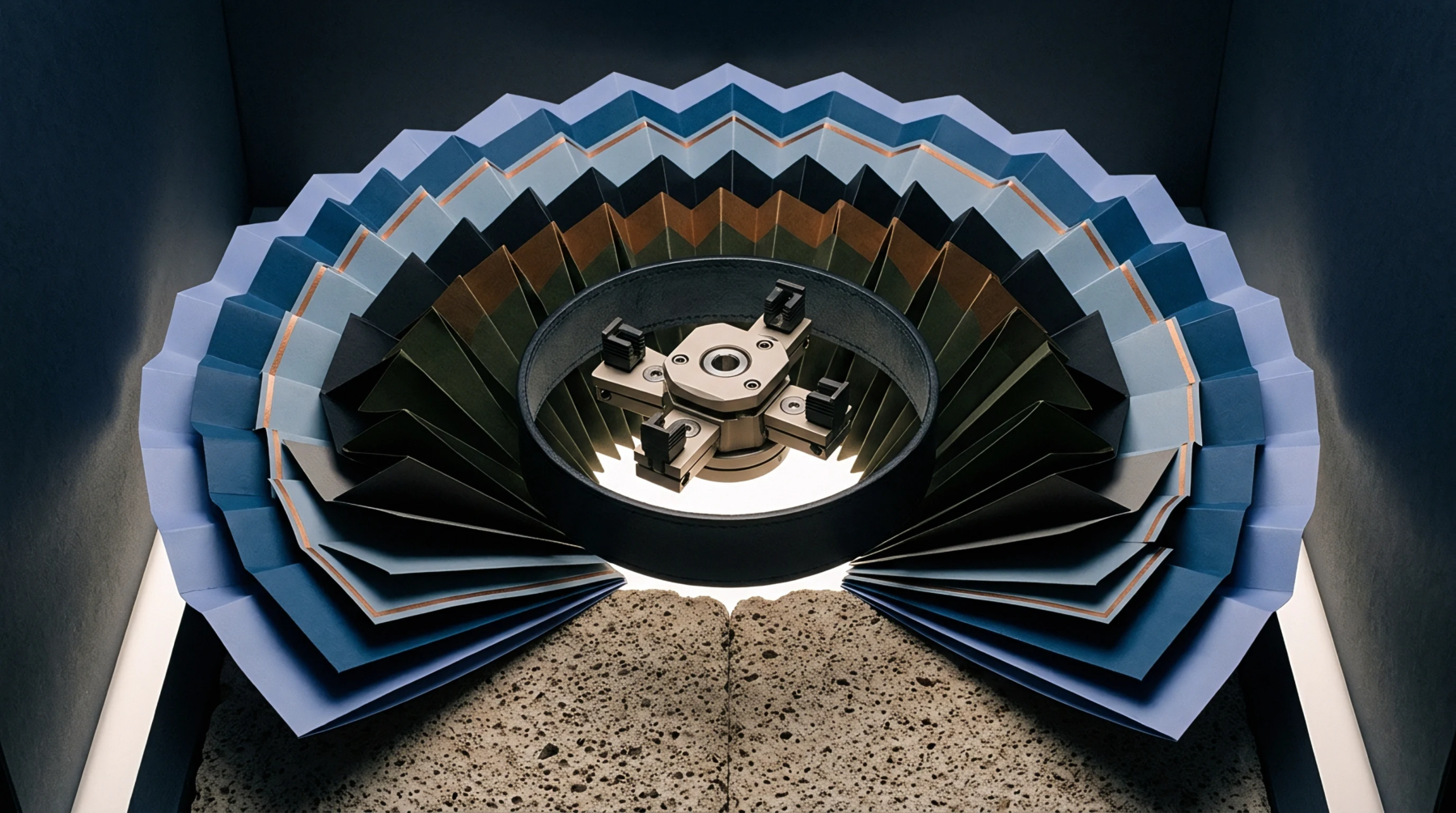
Maintain polyolefin coating moisture between 0.8 and 2.0 percent to prevent brittle crease microcracking without exceeding blocking temperature thresholds.
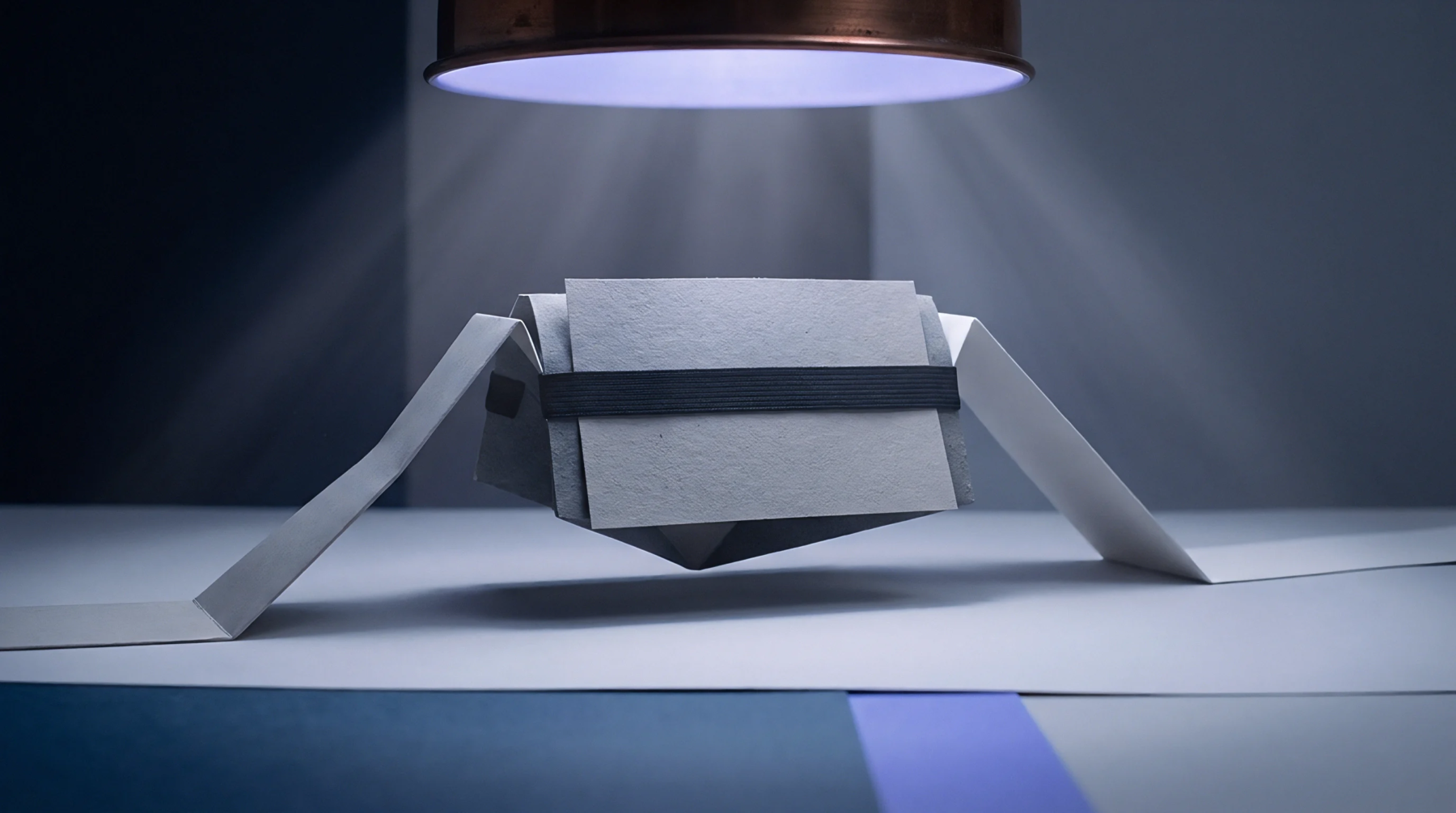
Subsurface light penetration introduces up to 25 micrometers of optical drift in laser triangulation, requiring cross-polarization and grade-specific ISO 534 calibration.
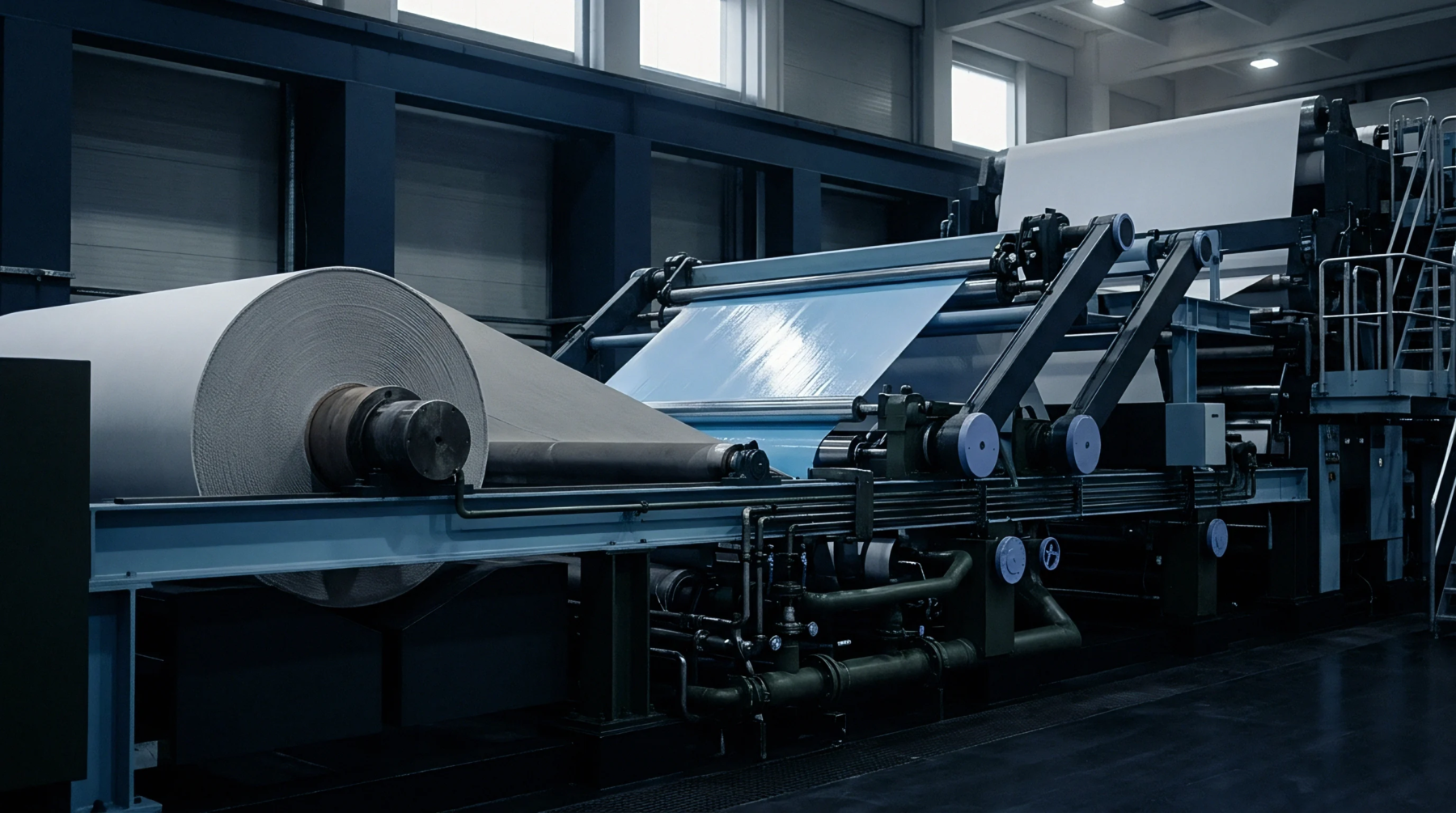
Dynamic moisture entry plasticizes paperboard core binders and depresses matrix glass transition, driving interlaminar delamination and pallet stack collapse.
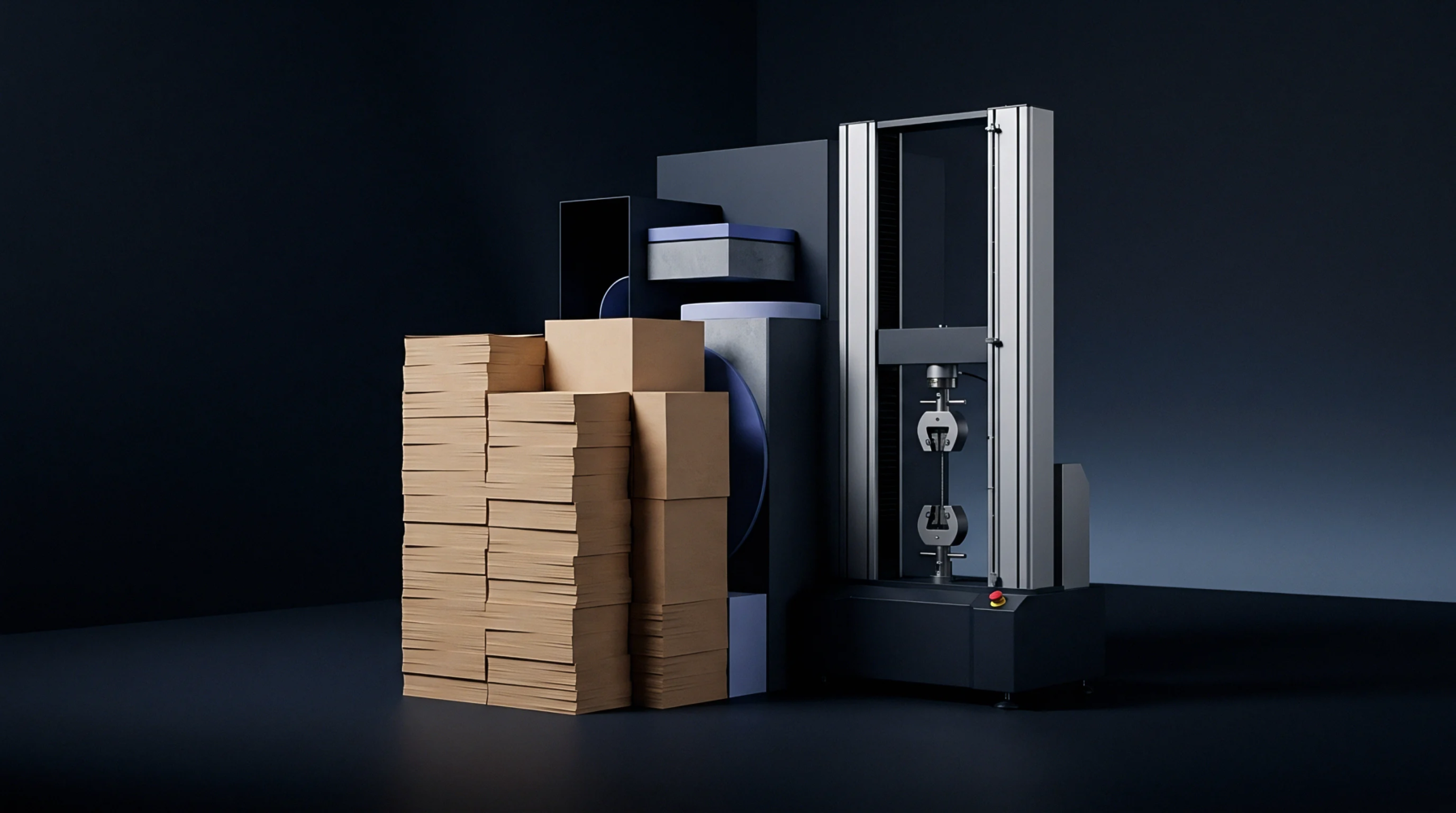
Substrate compression ratio measures z-axis compaction, balancing tool impression depth against fiber strain limits to maximize embossing height without shearing.
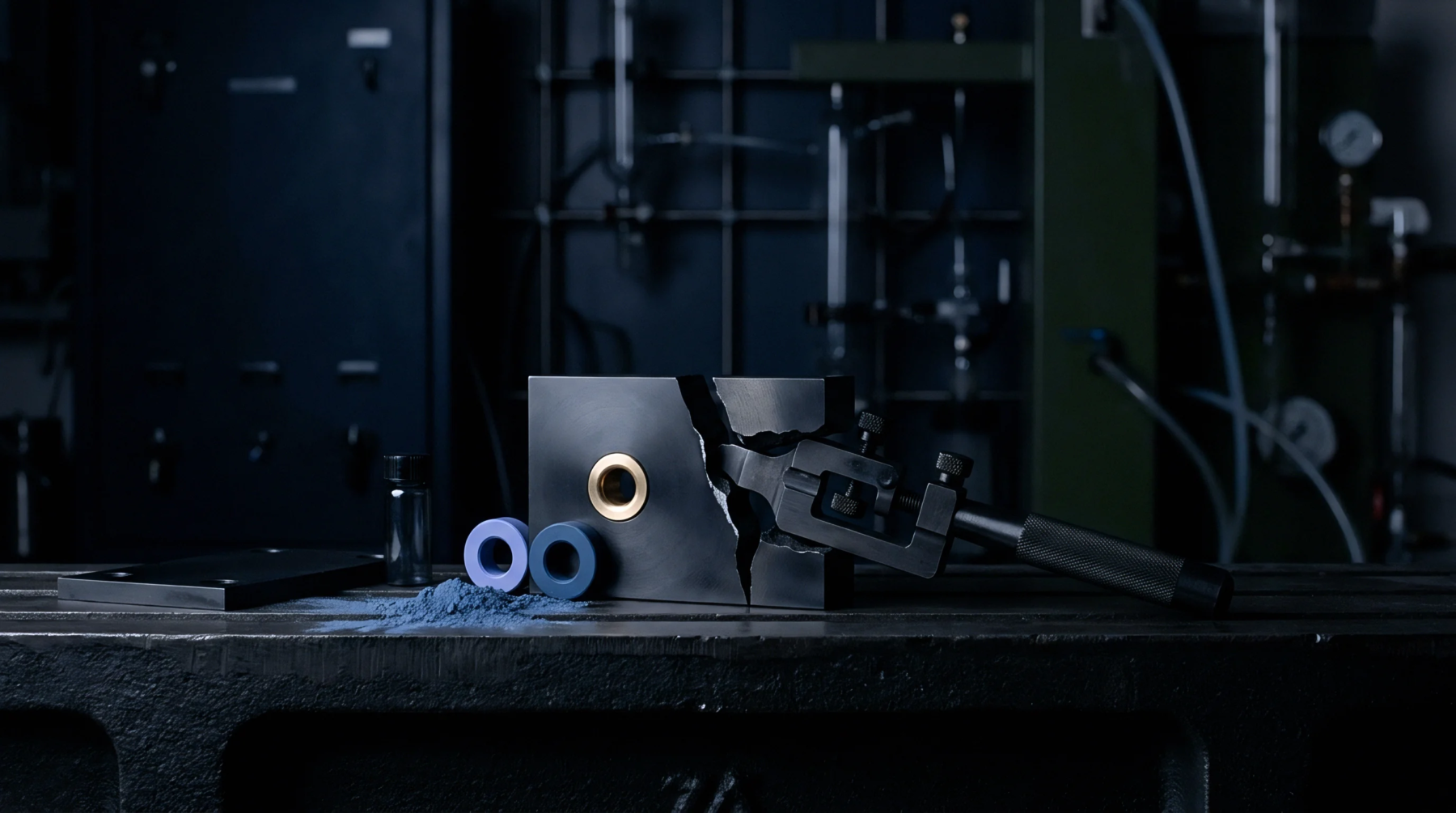
Dynamic humidity cycling lowers bio-barrier interfacial shear energy, triggering delamination, barrier failure, and costly non-compliance at customs borders.
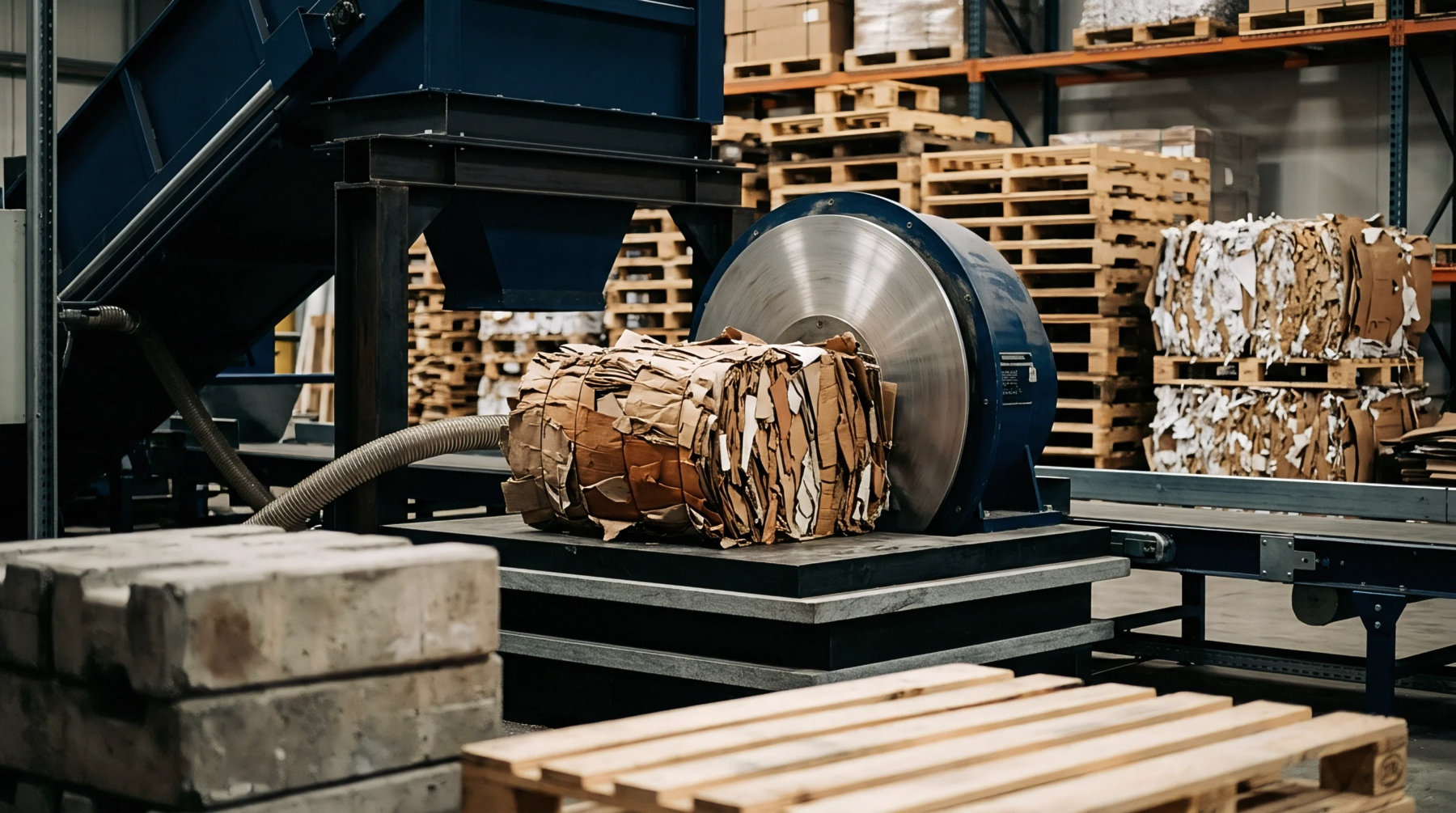
Dynamic viscoelastic springback coupled with orthotropic panel deflection governs cartoning line efficiency and side-wall structural limits under high speeds.
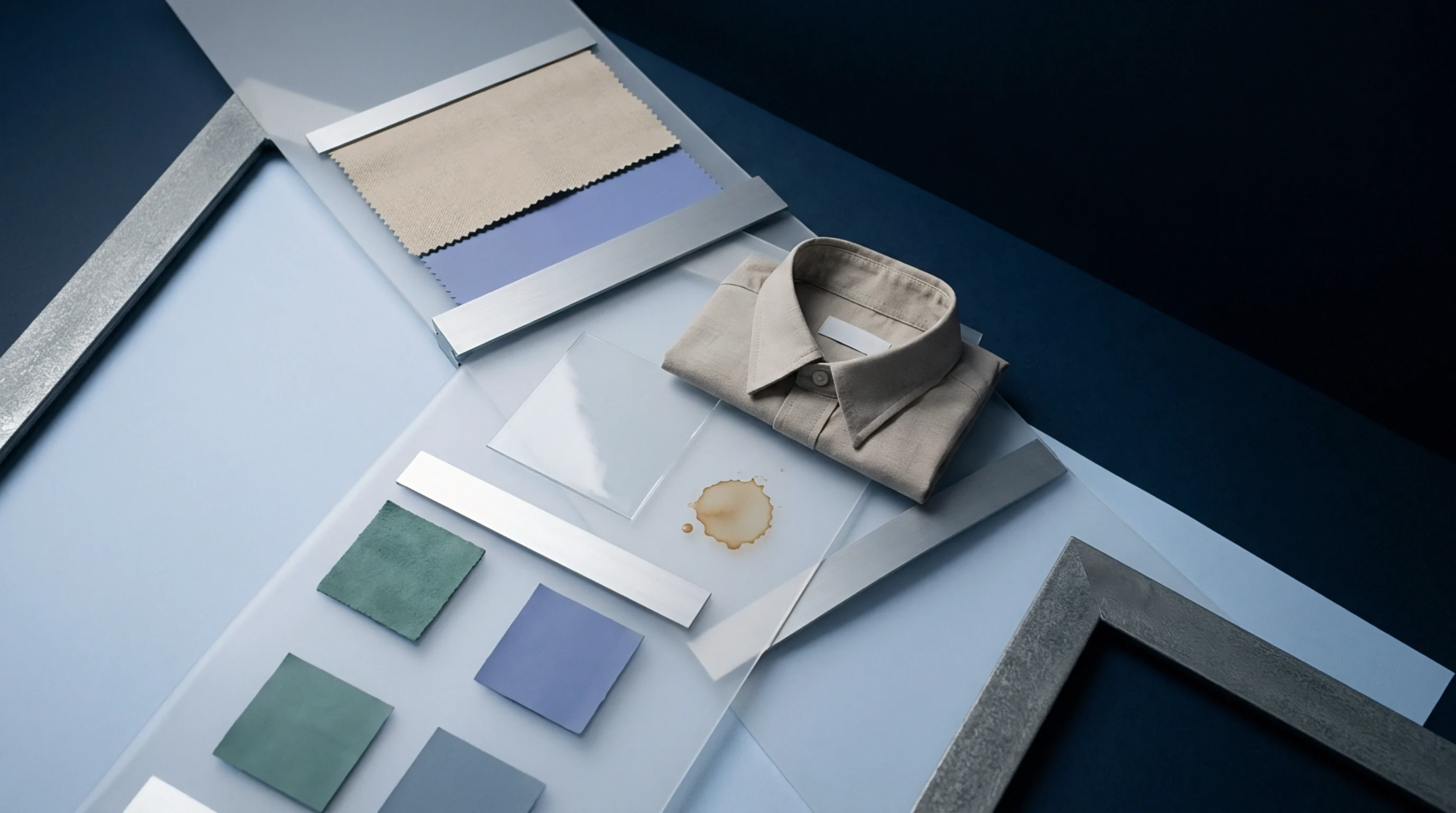
Interfacial fracture toughness in laminated paperboard depends on substrate z-direction fiber strength, controlled corona energy, and scoreline strain management.
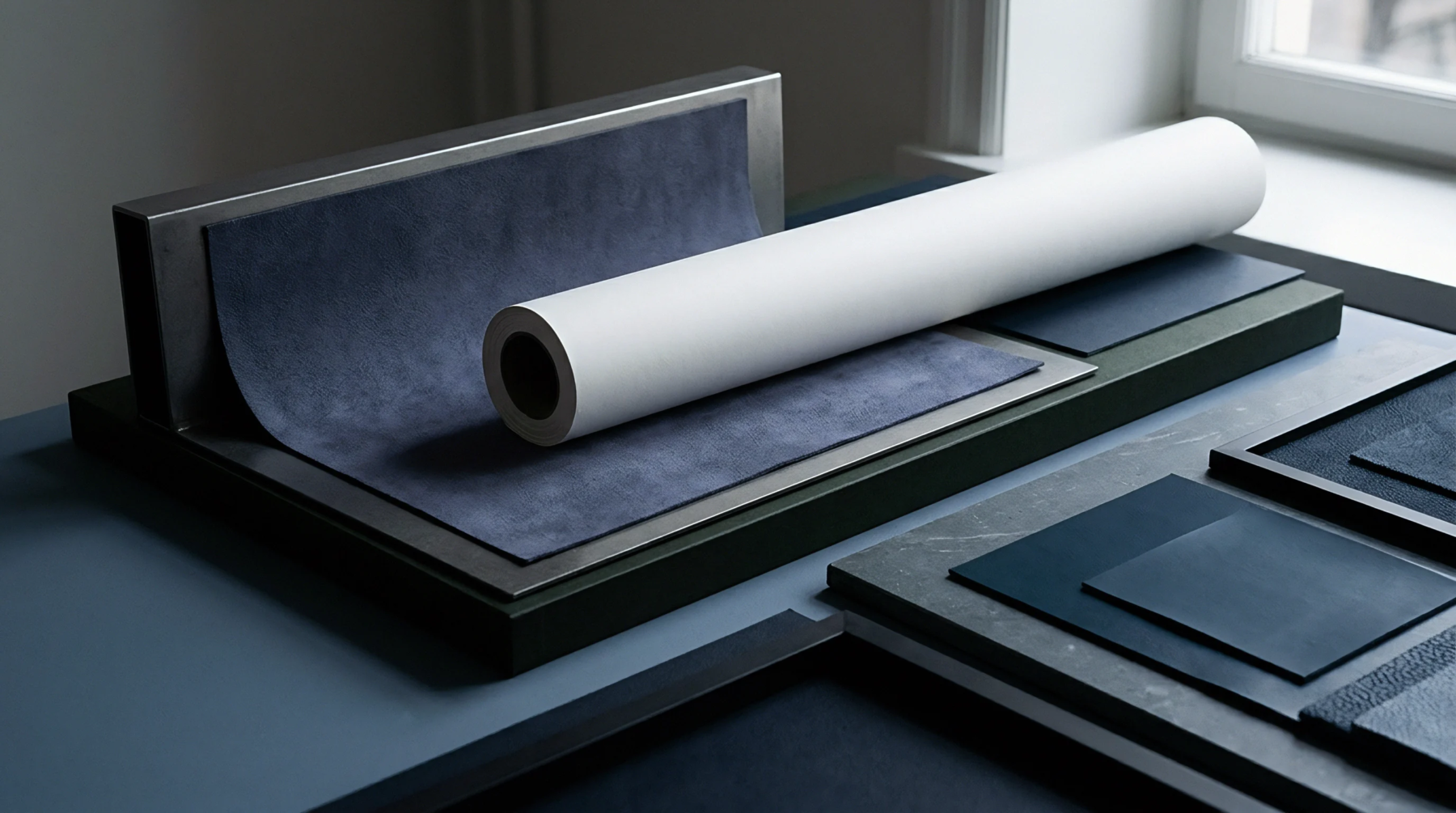
Polyurethane soft-touch films provide superior scratch resistance and score fold integrity compared to BOPP but require higher temperature control and lower web yields.
Expertise is a utility, not a secret. sentiention™ publishes its working knowledge as open reference: intelligence layer covering the materials it sources, the markets it enters, and the reference that serves both.