
Crease Shear Resistance in Extrusion Coated Boxboard Packaging
Optimize counter-matrix width and rule penetration depth to induce internal core ply delamination while protecting outer extrusion barrier films from shearing.
Optimize counter-matrix width and rule penetration depth to induce internal core ply delamination while protecting outer extrusion barrier films from shearing.

Modifying creasing matrix channel width and male rule tip radius prevents polymer film elongation cracking and maintains gas barrier integrity across folded scores.
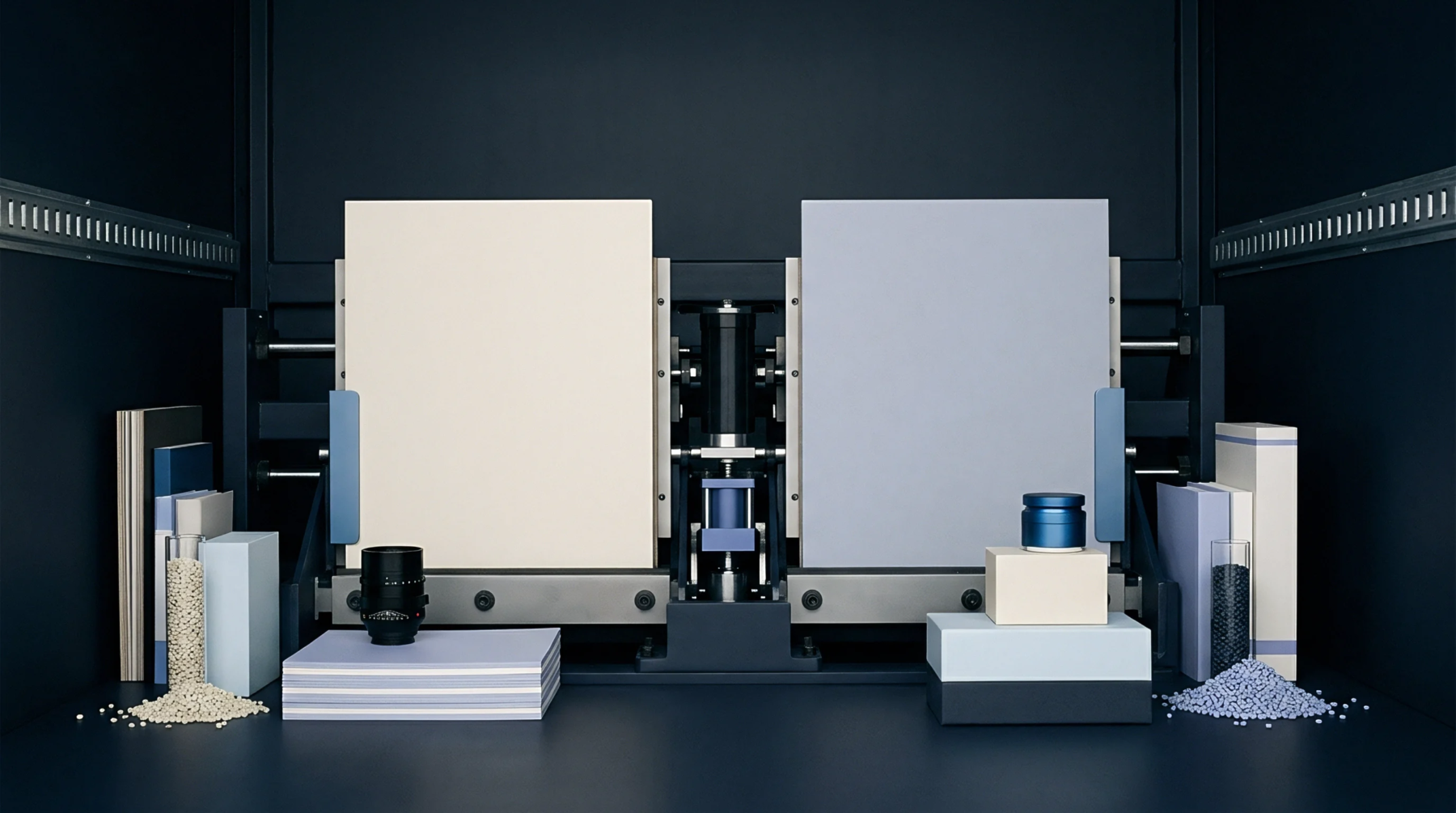
Recycled fiber surface peaks exceed thin polymer melt curtains, creating pinholes that require pre-coating or heavier resin laydown for barrier continuity.

Mathematical diffusion models quantify NIAS transfer through polyolefins, enabling rapid, low-cost compliance validation for flexographic food packaging.
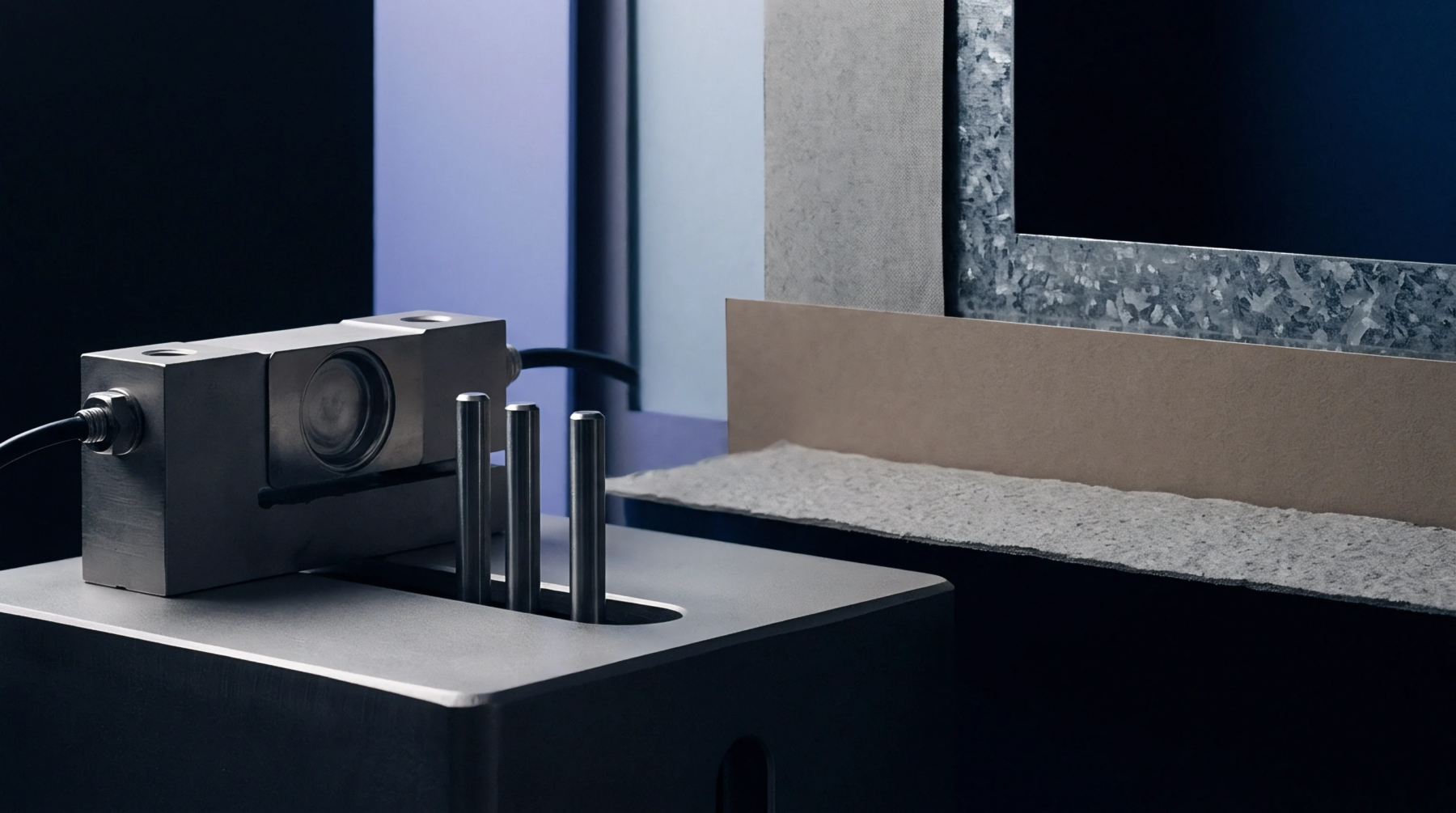
Inline high-frequency acoustic profiling measures micro-scale barrier delamination and polymer layer thickness across dynamic paperboard converting webs.

Polyolefin surface energy quantification relies on standardized liquid titration or goniometry to secure ink adhesion and lamination bond strength across runs.
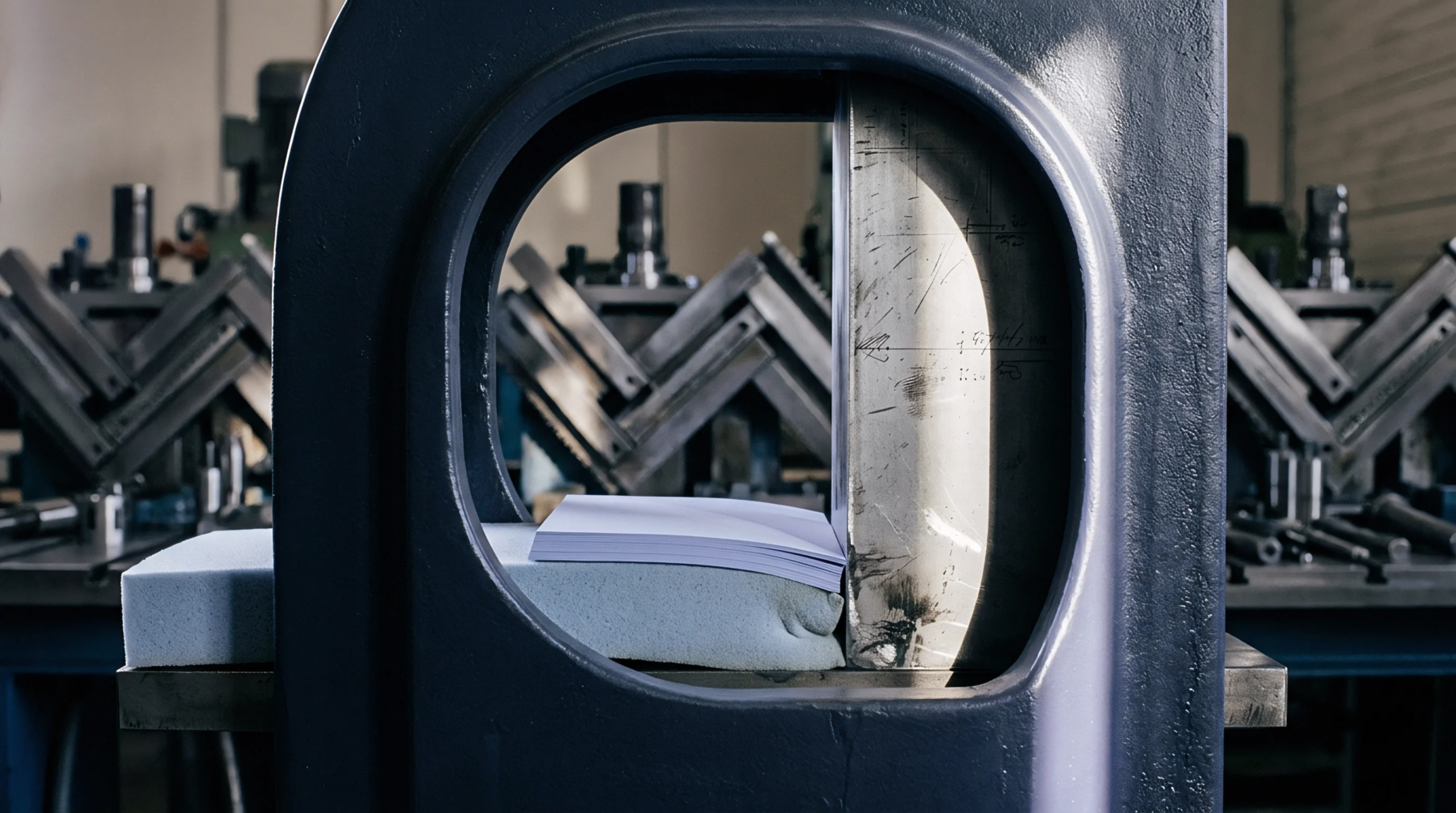
Polymeric barrier degradation across paperboard creases follows strain rate kinetics where strain exceeding coating yield limits creates pinholes and invalidates functional compliance.

Verify polymer barrier paperboard through creased Cobb testing, migration simulant suites, Cepi repulpability yields, and lot-matched Declarations of Compliance.
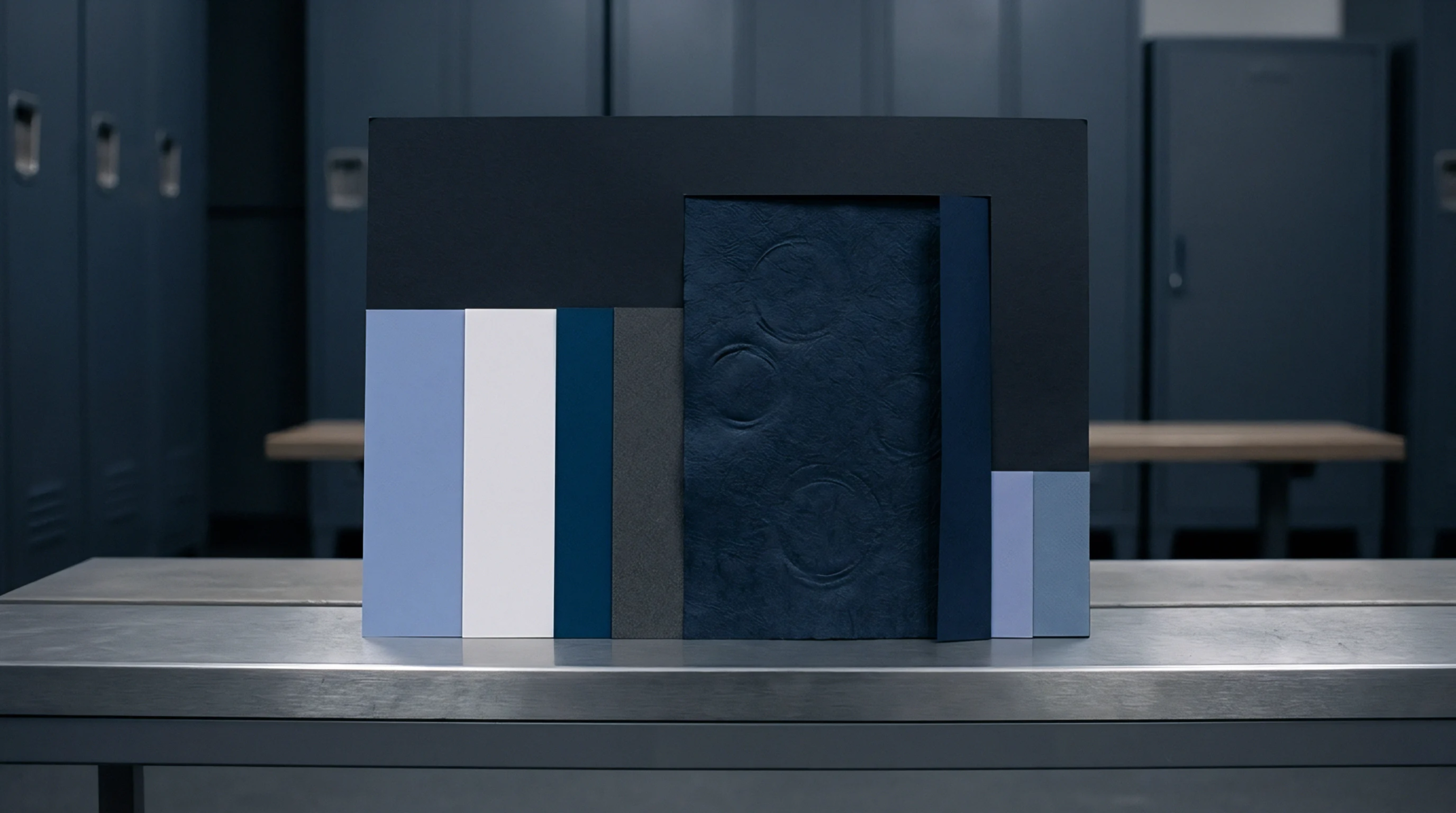
Inline blade coating and soft-nip calendering establish surface uniformity, while targeted finishing passes balance visual embellishment against repulpability.
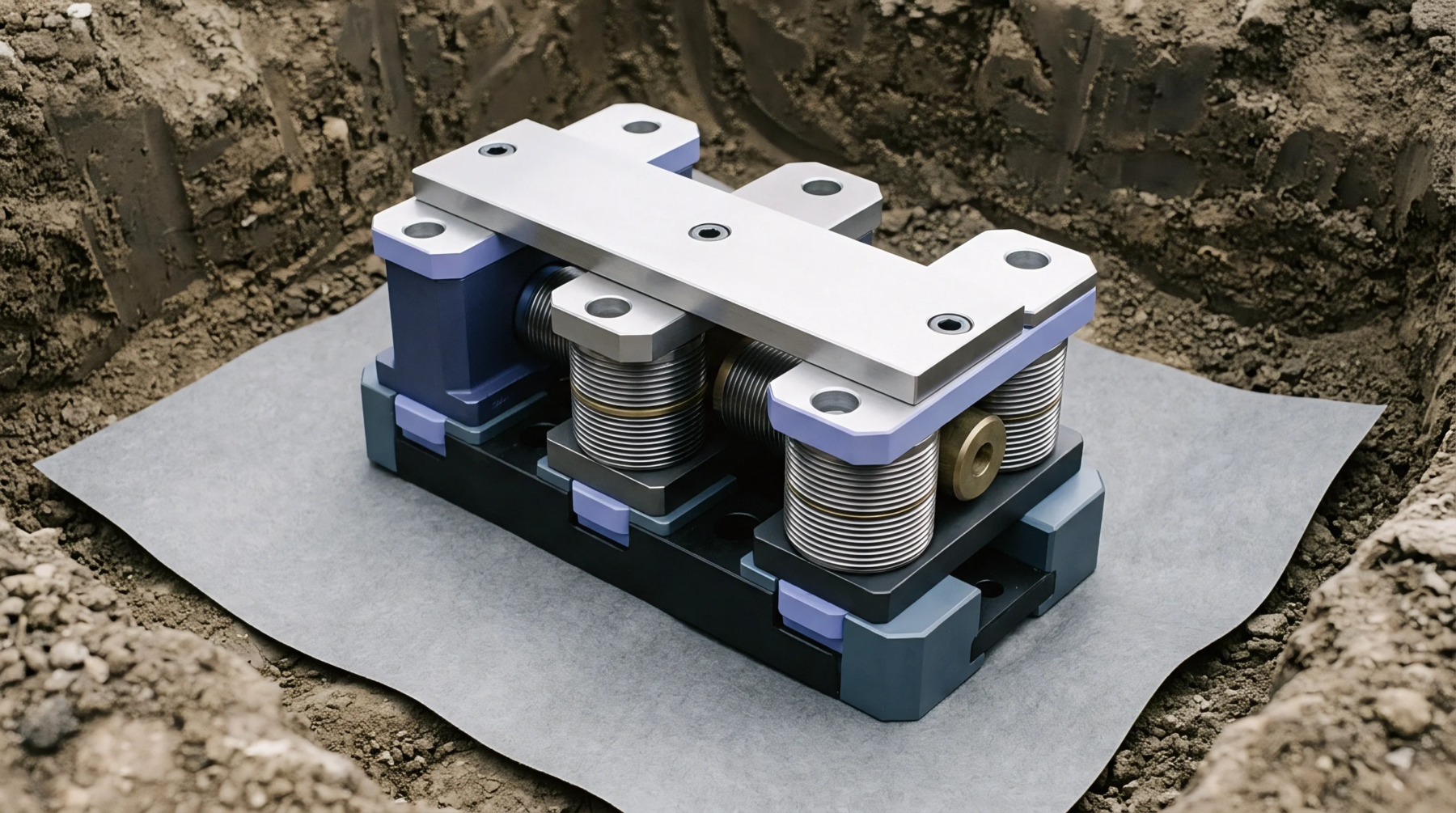
Mitigate polymer swap risks by pairing ATR-FTIR incoming resin screening with enforceable supplier contracts capping liability to full downstream food loss.

Hydro-pulper fiber recovery yield under EN 13430 requires dry accepted fiber mass to exceed 85% of substrate weight using controlled tip speeds and temperature.
Poly-coated vapor transport follows Fickian diffusion governed by polymer density and coat weight until score line fractures shift mechanism to pore flow.
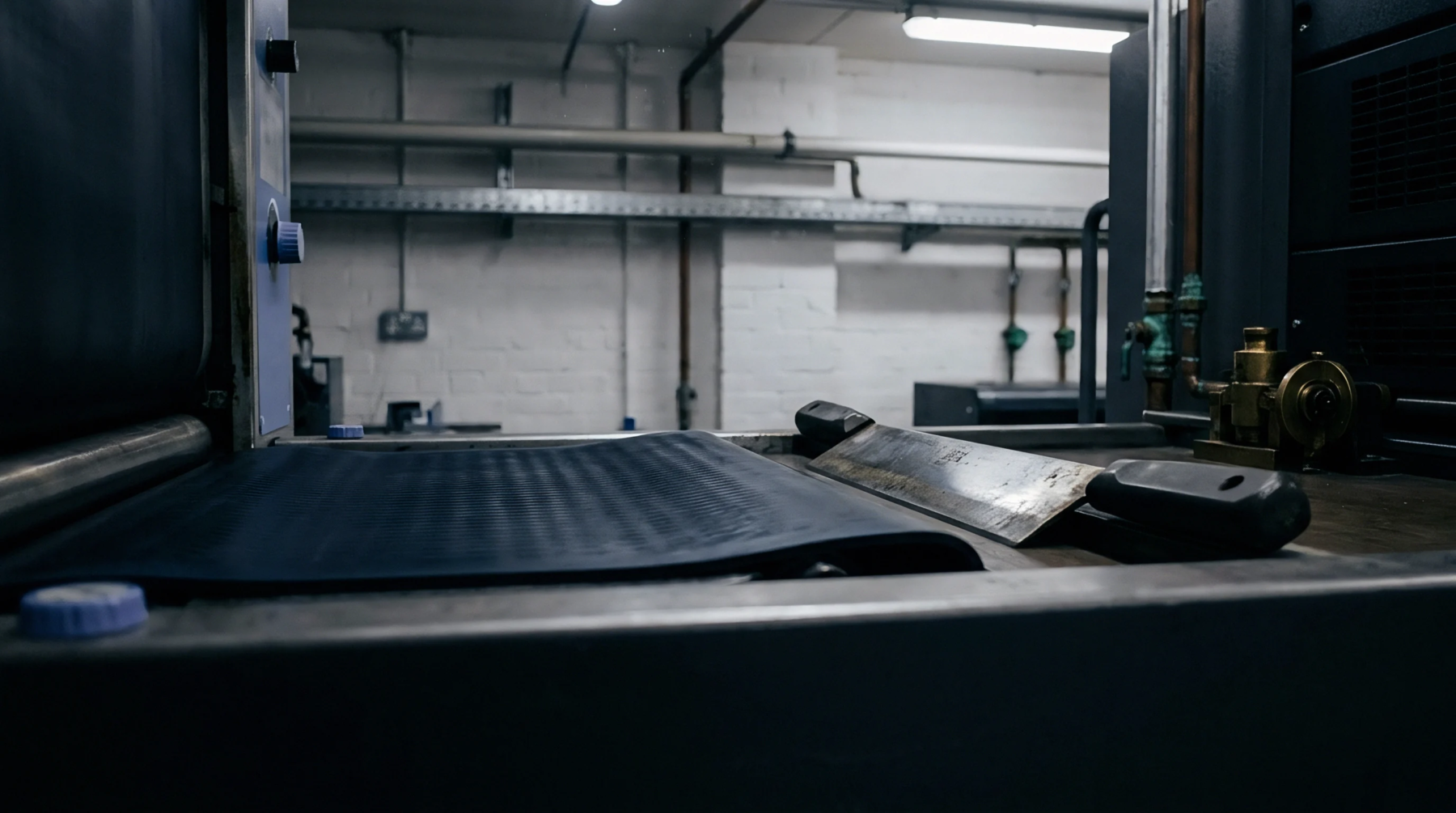
In-line acoustic wave profiling detects sub-surface polymer score delamination instantaneously at 300 m/min by measuring ultrasonic attenuation and phase shifts.

Calibrating female matrix depth for extruded polyethylene packaging requires matching depth to polymer compression mechanics to avoid barrier skin pinholing.
High strain shear during boxboard creasing causes polymer film micro fractures when local elongation exceeds film yield capacity along the outer bend radius.

Polymer film pinholing across creased recycled stock stems from hornified fiber end punctures under high dynamic strain rates during package converting.
High frequency ultrasonic attenuation profiling non-destructively maps internal ply delamination and polymer barrier continuity during cartonboard creasing passes.
Expertise is a utility, not a secret. sentiention™ publishes its working knowledge as open reference: intelligence layer covering the materials it sources, the markets it enters, and the reference that serves both.