
Analytical Verification Protocols for Low Migration UV Coating Conversion
Low migration UV conversion succeeds by verifying photoinitiator cure through spectrometry, maintaining peak irradiance, and preventing set-off transfer.

Low migration UV conversion succeeds by verifying photoinitiator cure through spectrometry, maintaining peak irradiance, and preventing set-off transfer.
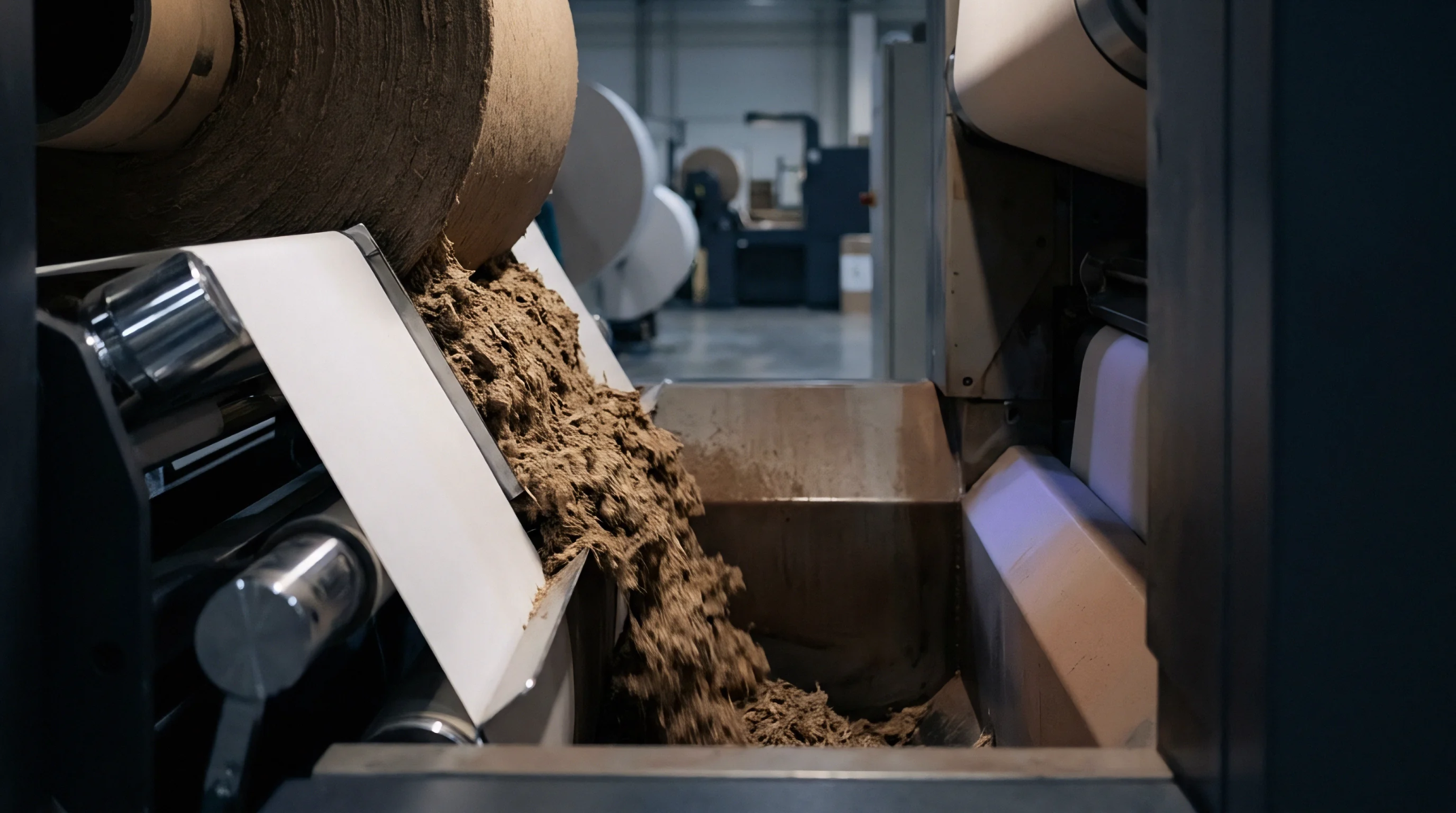
Paperboard mill certificate scopes govern packaging claims by strictly limiting authorized product groups, fiber credit allocations, and contact testing boundaries.

Photoinitiator migration limits in food contact print finishes are determined through standardized simulant extractions quantified by GC-MS or LC-MS testing.

Shear strain localization in multilayer polymer creases drives interfacial debonding, manageable through optimized matrix clearance and tie-layer adhesion.

Validating chain of custody certificates demands cross-checking online registry scopes, product categories, and site schedules against line-item invoice claims.
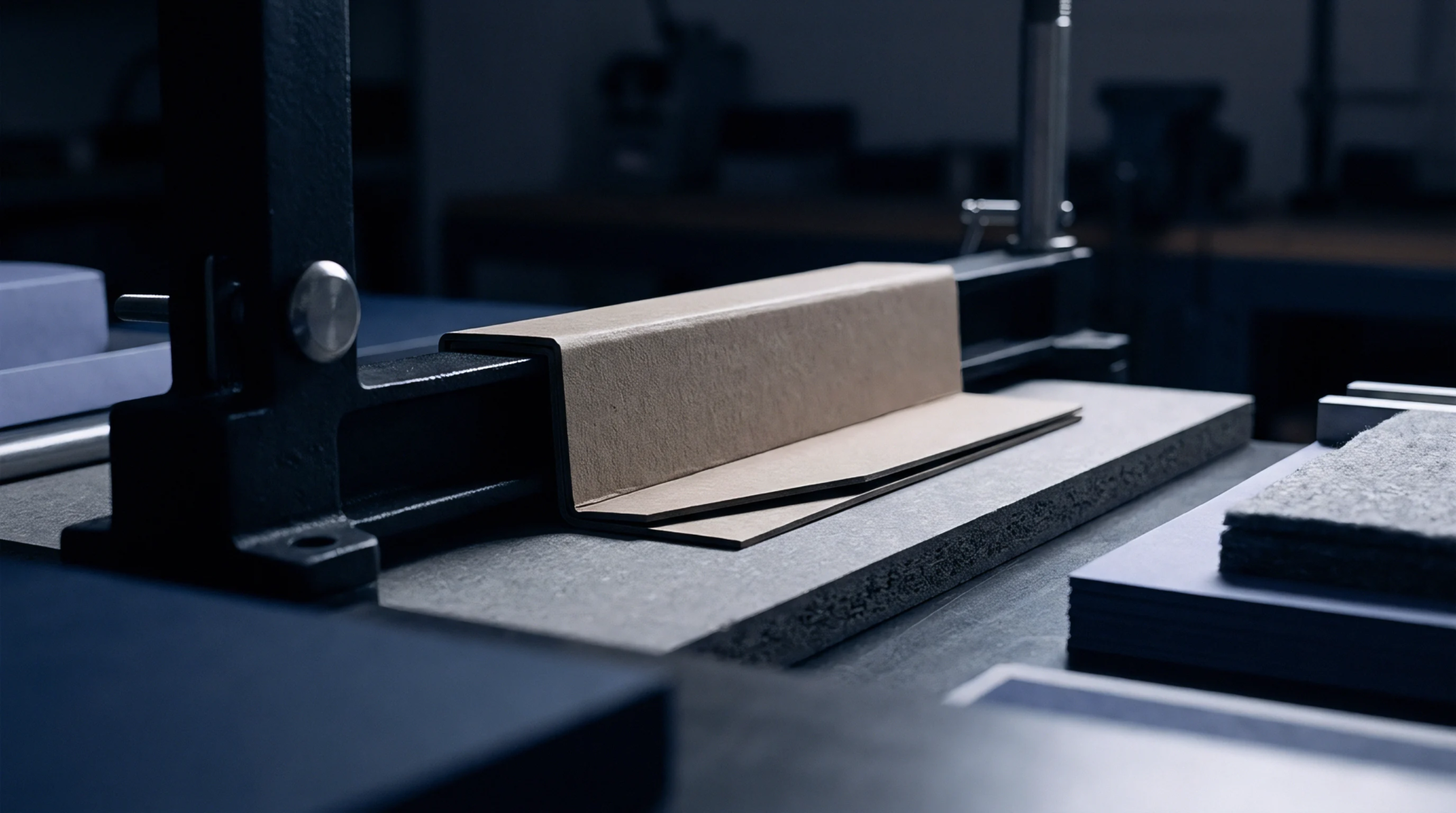
Extrusion and dispersion coating elongation limits require matching tool tip geometry and board moisture to prevent outer-fiber micro-cracking under scoring press kinematics.
Specify ambient hydrolytic stability thresholds in supply contracts to shift premature bioplastic degradation liabilities from brand owners to converters.
Dynamic soft segment mobility drives thermal hydrophobic recovery in extruded TPU, demanding roll core cooling below 30°C to avert lamination failure.

Optimize counter-matrix width and rule penetration depth to induce internal core ply delamination while protecting outer extrusion barrier films from shearing.

Exceeding polyolefin dynamic strain rate thresholds during micro-perforation causes brittle layer fracturing and severe z-direction secondary fiber delamination.

Contact angle analysis detects hydrophobic recovery and additive blooming in polyurethane films before lamination failure occurs on high-speed converting lines.

Modifying creasing matrix channel width and male rule tip radius prevents polymer film elongation cracking and maintains gas barrier integrity across folded scores.

Polyhydroxyalkanoate monomer ratios directly dictate field disintegration speed by governing polymer crystallinity, enzymatic accessibility, and environmental fate limits.

Polyurethane surface energy decays through soft-segment rotation, demanding secondary pass execution within seventy-two hours or inline re-activation.
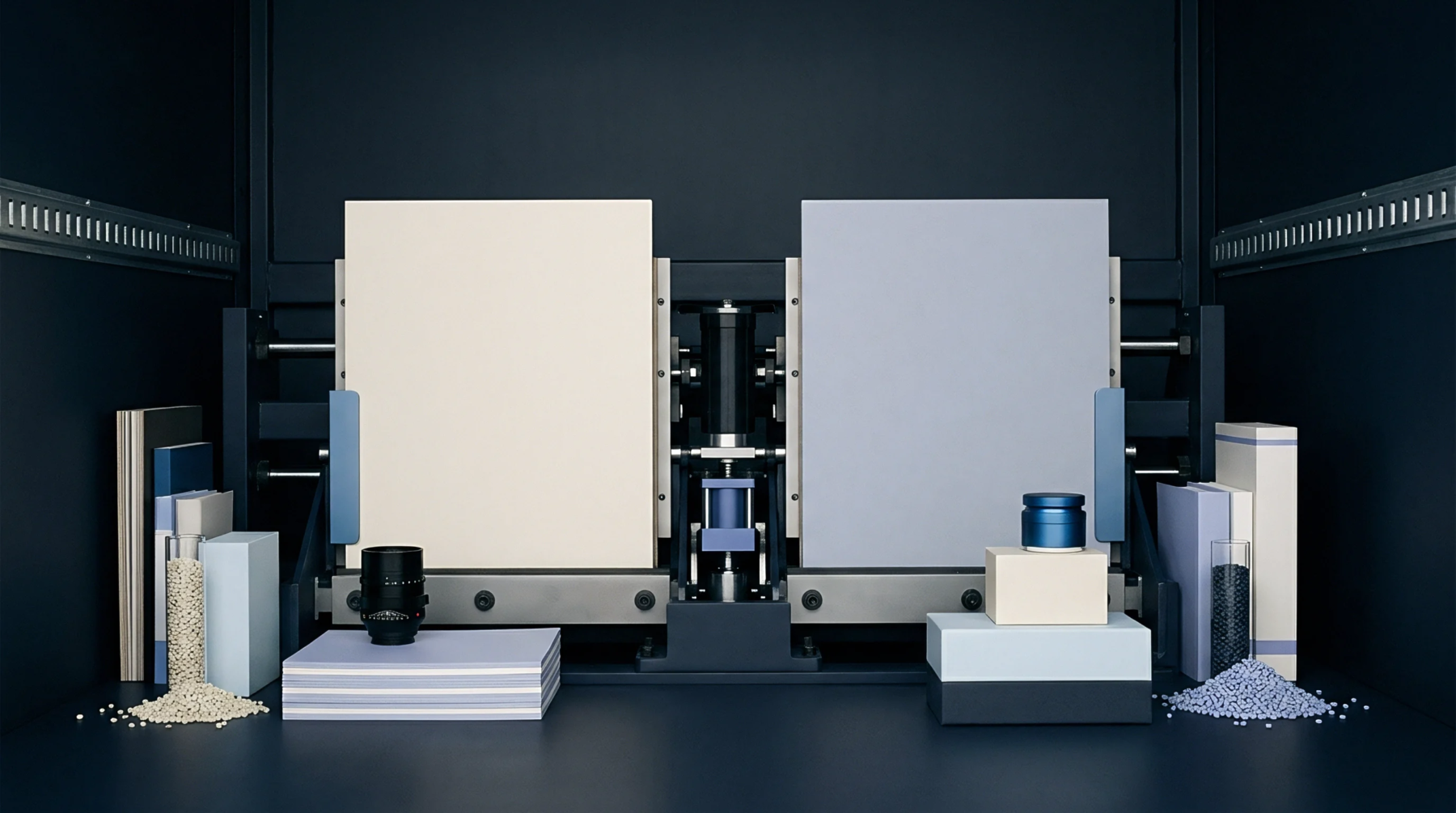
Recycled fiber surface peaks exceed thin polymer melt curtains, creating pinholes that require pre-coating or heavier resin laydown for barrier continuity.

Ambient compostability qualification requires passing chemical screening, mesophilic respirometry, 2mm sieve disintegration, and dual-species phytotoxicity.
Dynamic surfactant competition at 1-3 ms surface ages governs air entrainment boundaries in curtain heels operating above 1,200 metres per minute.

Pre-scaling brass die vector artwork based on directional thermal strain maps eliminates press registration drift across large format heated platens.
Paper mill credit accounts require dynamic conversion factors based on dry fiber mass to prevent phantom credit inflation across multi-tier supply chains.

Dynamic contact angle decay within 10 to 100 milliseconds governs liquid holdout and adhesion on paperboard, requiring tight surfactant diffusion control.

Automated ISO 14021 ERP ingestion maps raw mill fiber payloads directly into production bills of materials to secure compliant post-consumer packaging claims.

Verify paperboard claims by checking the online scheme register, matching scope codes, and auditing transaction lines on invoices and delivery dockets.
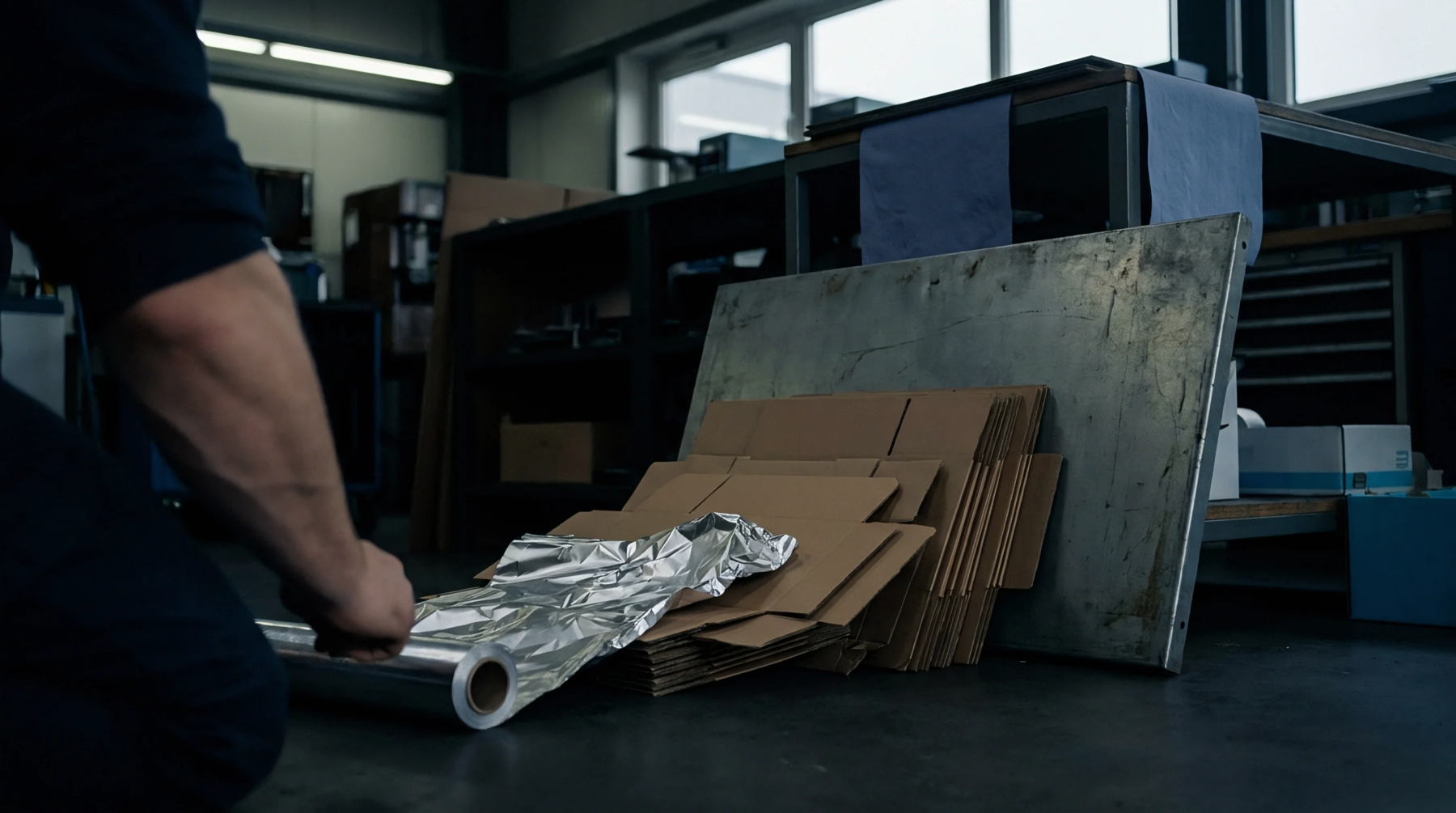
Substrate desiccation during heated stamping alters sheet dimensions, requiring differential die scaling and controlled humidity recovery between passes.
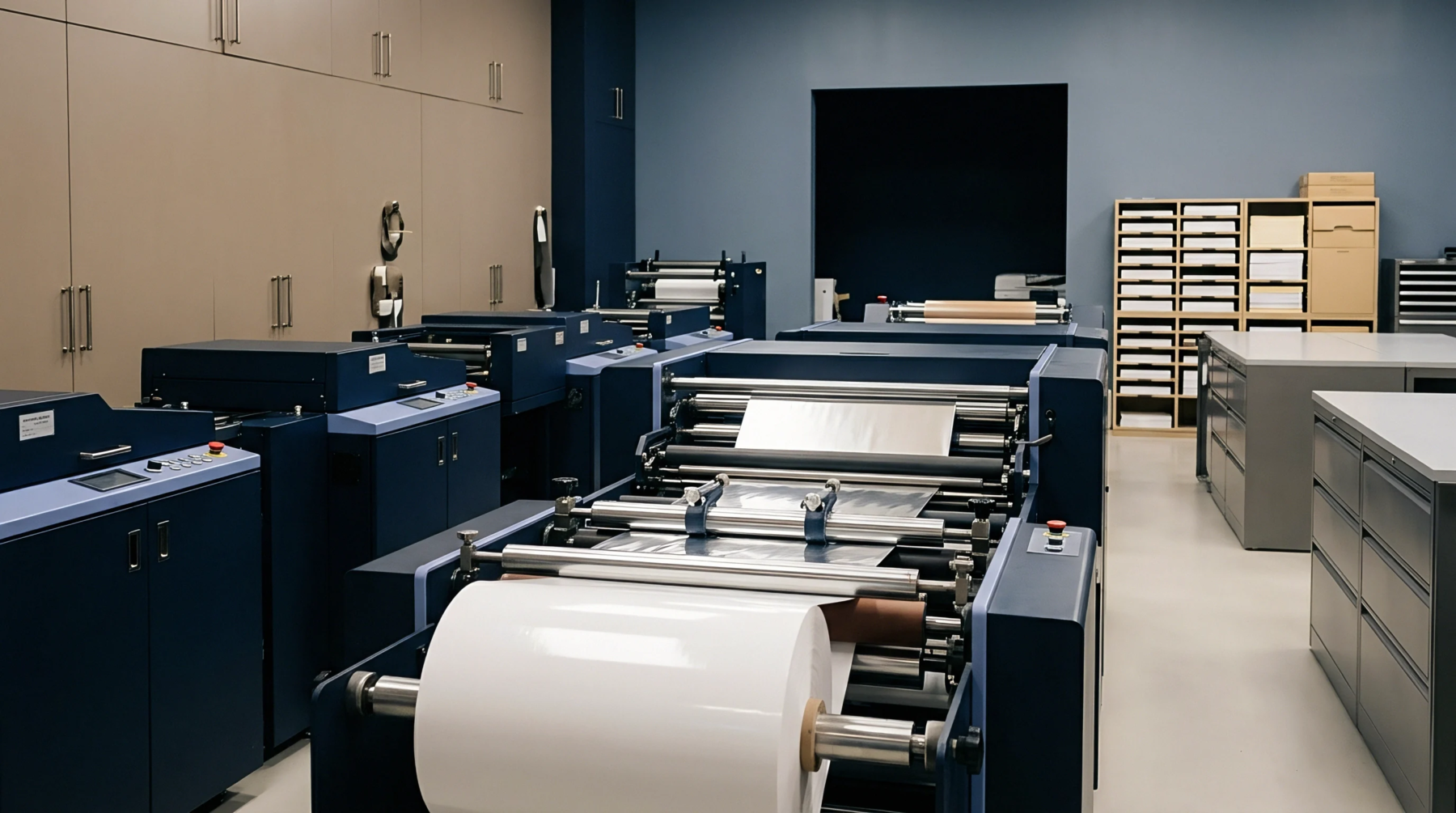
Dynamic Weibull residual filtering of autocorrelated web tension data eliminates false alarms and stops non-normal tensile defect propagation in high-speed converting.

Dynamic hygral loading accelerates viscoelastic stress relaxation in recycled fibres, demanding higher safety factors and virgin reinforcement in packaging.

Process capability analysis for barrier laminates requires transforming non-normal permeation data before calculating Cpk to prevent latent containment failures.

Calculate brass die thermal expansion by multiplying the alloy coefficient by temperature delta and original length, then invert to get pre-press artwork scale.

Decoupling machine-direction and cross-direction coat weight sensor arrays maintains barrier integrity and limits food contact migration exposure.

Finite element modeling of transient moisture gradients predicts stack edge distortion and guides pre-conditioning timing to prevent press downtime and waste.

Hygral edge waving in recycled paperboard skids results from perimeter moisture absorption driving compressive buckling against a dry, rigid core.
Expertise is a utility, not a secret. sentiention™ publishes its working knowledge as open reference: intelligence layer covering the materials it sources, the markets it enters, and the reference that serves both.